

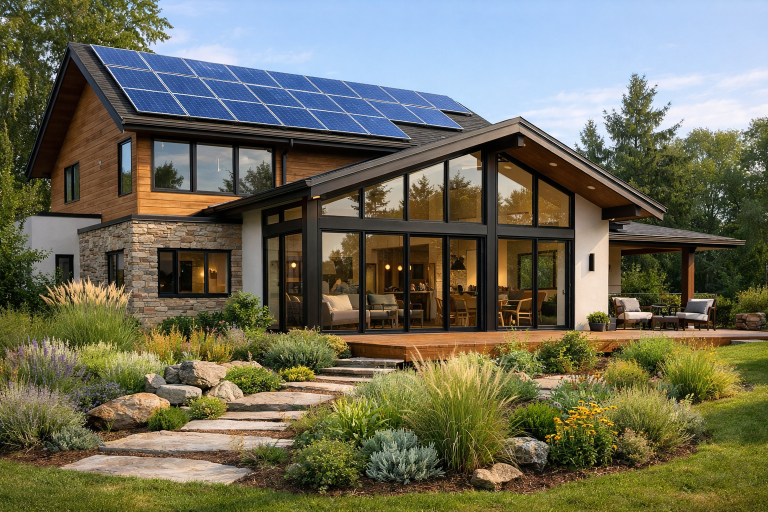
Future-proofing your home requires more than just patches and quick updates. To genuinely enhance the longevity, value, and comfort of your space, it is important to embrace long-term, environmentally conscious solutions. Sustainable residential restoration integrates modern techniques and eco-friendly materials to reduce environmental impacts while benefiting homeowners through lower energy costs and improved indoor air quality.
This comprehensive approach prioritizes repairs and upgrades that promote durability, efficiency, and overall well-being. By focusing on structural integrity, energy efficiency, and responsible material choices, you not only safeguard your property against future issues but also contribute positively to your community and environment. Adopting these principles can make your home a model of modern, responsible living. Whether you live in a historic property or a newer residence facing the realities of aging, making informed restoration decisions sets the stage for years of comfort and reduced maintenance costs. Understanding the key principles behind sustainable residential restoration helps homeowners take control of their investments while embracing environmental stewardship.
Embarking on this journey can also open doors to incentives, rebates, and increased property value. Sustainable solutions often pay off in both the short and long term, setting your home apart as a forward-thinking, healthy living environment.
Assessing Your Home’s Needs
Start with a comprehensive evaluation of your home’s current state before initiating any restoration project. Inspect critical components, including the foundation, roof, insulation, and major systems such as plumbing and electrical wiring. Pinpoint vulnerable areas, including outdated windows or insufficient insulation, that are prone to leaks and energy loss. This initial review is essential in setting the right priorities, addressing urgent problems first, and preventing potential hazards from growing over time. For a detailed guide, the U.S. Department of Energy recommends simple strategies to assess your home’s energy performance, which can reveal significant upgrade opportunities.
Prioritizing Repairs for Sustainability
Once you have identified your home’s vulnerabilities, prioritize repairs and upgrades that have the greatest impact on both structural stability and energy efficiency. For example, strengthening your roof, improving sealing and insulation, or upgrading to triple-pane windows can each contribute not just to lower energy bills but also to improved comfort during both hot and cold seasons. These initial investments are crucial. They prevent larger issues, such as water damage or brittle insulation, and deliver immediate returns through improved energy savings, reduced carbon footprint, and extended home lifespan.
Choosing Eco-Friendly Materials
Eco-friendly restoration focuses on durable, sustainably sourced materials. Reclaimed wood, recycled steel, bamboo flooring, and low-VOC (volatile organic compound) paints are increasingly popular choices. These options not only minimize environmental impact but also improve air quality and enhance durability in your home. Sustainable products are now more accessible than ever, allowing homeowners to blend traditional style with 21st-century responsibility.
Incorporating Energy-Efficient Technologies
Energy efficiency is at the heart of most sustainable residential restoration projects. Incorporate products and technologies such as programmable thermostats, Energy Star-certified appliances, and LED lighting. Solar panels and high-efficiency HVAC systems are transformative investments in long-term performance and sustainability. By leveraging technological advances, homeowners can sharply reduce electricity and heating costs, maximizing their investment while lowering their environmental footprint. Smart home integrations not only improve efficiency but also offer better control and analytics for energy consumption.
Regular Maintenance and Upkeep
After the initial restoration, setting up regular maintenance routines is critical. Schedule seasonal inspections of roofs, gutters, windows, and siding to catch small problems early. Implementing a systematic upkeep schedule extends the life of your improvements and protects your investment for the long term. Regular maintenance tasks, such as clearing gutters of debris, changing filters, and checking for leaks, keep your systems functioning smoothly and prevent costly emergencies down the line.
When to Hire Professionals
While many repairs and upgrades enthusiastic DIY homeowners can tackle, certain projects require licensed professionals. For example, major structural reinforcements, electrical rewiring, or plumbing reroutes should always be left to certified contractors. These experts ensure that all repairs comply with local building codes and guarantee the highest levels of safety and craftsmanship. When in doubt, always err on the side of caution by bringing in specialists for complex projects.
Budgeting for Sustainable Restoration
Smart budgeting is an essential aspect of sustainable restoration. Distinguish between immediate needs and long-term investments and allocate funds accordingly. Consider both upfront costs and projected returns, such as energy savings and increased property value from green certifications or high-efficiency upgrades. Homeowners are encouraged to explore rebates, tax incentives, and grants available for eco-friendly renovations, which can offset a significant portion of the costs and encourage greater investment in sustainability.
Conclusion
Embracing sustainable restoration ensures your home stands resilient and efficient for years to come. Thoughtful planning, combined with responsible material and technology choices, paves the way for improved durability and environmental performance. By prioritizing structural integrity, energy efficiency, and sustainable materials, homeowners invest in both their property’s future and the planet’s well-being, creating welcoming, high-performing environments for today and future generations.