

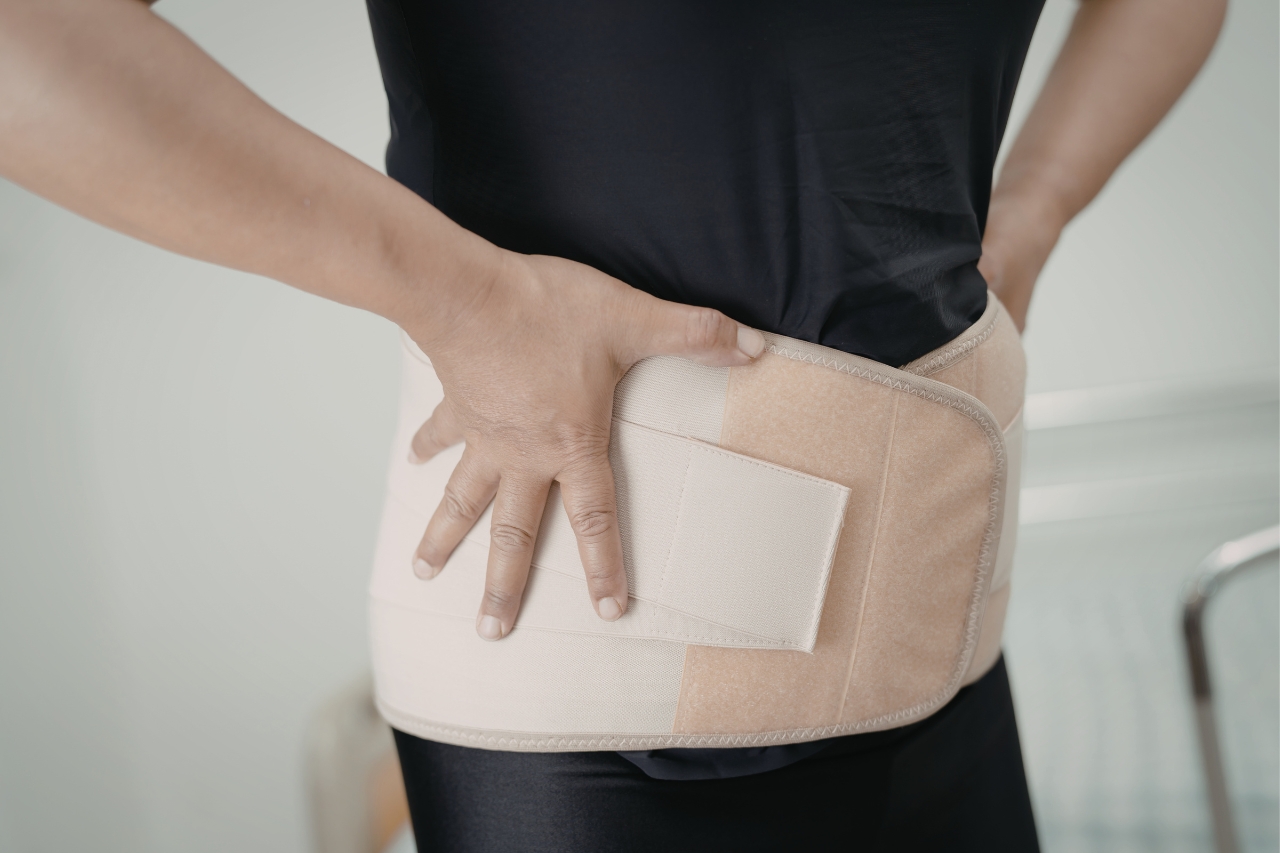
The journey into motherhood is often described as one of the most transformative experiences in a woman’s life. However, the modern societal pressure to instantly bounce back after childbirth can quickly turn this vulnerable period into a source of immense stress. Heavily fuelled by commercial advertising, celebrity culture, and social media highlight reels, this expectation leaves countless new mothers feeling physically and emotionally inadequate.
Navigating life with a newborn is challenging enough without the added burden of unrealistic aesthetic goals. A survey by the Mental Health Foundation revealed that 41 per cent of women feel more negative about their bodies after pregnancy, compared to a mere 12 per cent who feel more positive. Understanding the biological realities of childbirth is the first vital step toward protecting your mental health.
The Realities of Postpartum Physical Changes
One common, yet frequently misunderstood, physical change following pregnancy is abdominal separation. According to the comprehensive NHS guide on recovering your post-pregnancy body, a condition called diastasis recti occurs because the growing uterus physically pushes the two central stomach muscles apart, making them longer and weaker. This is not a fitness failure, but a genuine physiological condition caused by the incredible feat of growing a human being.
Psychological reviews from 2025 demonstrate that postpartum body dissatisfaction is directly linked to higher rates of maternal depression, highlighting the deep emotional impact of these physical changes. Organisations like the Centre of Perinatal Excellence (COPE) continually emphasise the need for clinical guidelines to help new parents navigate these complex emotional challenges safely.
For mothers dealing with severe functional issues like significant muscle separation, conservative treatments may not always be enough. Acknowledging that medical solutions exist, such as the reconstructive tummy tuck Sydney professionals perform, can be an empowering way to understand your options for long-term structural repair.
Starting Slow with Low-Impact Movement
When you feel ready to start moving again, the absolute key is patience. Rushing back into high-intensity workouts can worsen conditions like abdominal separation or pelvic floor weakness. Instead, experts recommend starting your recovery journey with gentle, low-impact movements such as walking, swimming, or yoga to protect your joints and slowly rebuild your foundational stamina.
These mindful exercises help you reconnect with your body without placing undue stress on healing tissues. For busy mothers trying to keep their sanity, a gentle daily walk is far more sustainable than an exhausting gym session. It is far more beneficial to focus on restoring your core stability and protecting your joint health than chasing rapid aesthetic fitness goals.
When Diet and Exercise Are Not Enough
For some mothers, natural recovery and supervised physiotherapy are not enough to repair the structural changes caused by pregnancy. Clinical data indicates that approximately 33 per cent of mothers still experience significant Diastasis Recti Abdominis at 12 months postpartum. A 2026 study also highlighted that the mode of delivery impacts this prevalence, affecting 78 per cent of caesarean section patients compared to 54 per cent of those who had vaginal deliveries.
Severe abdominal separation presents with debilitating functional symptoms that go beyond aesthetics. Mothers frequently suffer from chronic lower back pain, pelvic instability, and urinary incontinence. When functional issues persist despite dedicated rehabilitation efforts, medical intervention is often required. Many women find that consulting with a specialist to discuss surgical reconstructive options can be an empowering step toward restoring their core strength. This procedure physically repairs the torn abdominal wall, addressing the structural weakness.
Navigating Medical Support in Australia
Recognising that severe post-pregnancy muscle separation is a functional medical condition rather than a cosmetic concern, the Australian Government updated its healthcare policies. On 1 July 2022, following a campaign by the Australian Society of Plastic Surgeons, a dedicated Medicare rebate (MBS Item 30175) was officially reinstated for post-pregnancy reconstructive surgery.
To be eligible for this Medicare rebate, Australian mothers must meet several strict medical criteria:
- Patients must wait until they are at least 12 months postpartum and must not have been pregnant within the last year.
- There must be documented proof that the patient has already attempted, and failed to respond to, conservative non-surgical treatments such as supervised physiotherapy.
- Eligible individuals need diagnostic ultrasound imaging confirming an inter-recti distance, or muscle separation gap, of at least 3 cm.
- A general practitioner referral is required, detailing exactly how the physical condition impacts the patient’s daily function and overall quality of life.
Reclaiming Your Confidence
Postpartum recovery is a deeply personal journey that looks different for every mother. Whether your path involves gentle yoga sessions, months of dedicated physiotherapy, or exploring surgical medical interventions, the most important factor is showing yourself grace.
Rejecting the toxic societal narrative of instantly bouncing back allows you to focus on what truly matters. By taking the time to understand your body’s unique biological needs, celebrating its resilience, and seeking appropriate professional guidance when necessary, you can regain your body confidence and thrive in your motherhood journey.