

Oral health is a vital component of overall well-being, particularly as we age. Dental issues not only affect confidence and comfort but can also lead to significant health problems if left unchecked. Seniors face unique oral health challenges—from dry mouth and gum disease to caring for dentures or managing chronic health conditions that affect the mouth. With so much at stake, it pays to invest in consistent oral hygiene and preventive care. For those seeking cost-effective coverage, an AARP® Dental Insurance Plan, administered by Delta Dental, can help support regular dental health expenses, making critical care more accessible and affordable.
Understanding the essentials of dental care, such as proper brushing, flossing, and a balanced diet, along with knowing how to detect potential issues early, can make a significant difference in one’s quality of life. Establishing these habits helps to avoid painful oral diseases, costly treatments, and the risk of related health complications like heart disease and diabetes. Moreover, attentive dental care empowers seniors to enjoy their favorite foods, maintain clear speech, and continue sharing their smiles with confidence.
Providing practical guidance to maintain healthy teeth and gums is key to a happier and healthier aging journey. With preventive strategies and a focus on overall wellness, seniors can maintain strong teeth, healthy gums, and lasting dental work far into their golden years.
Whether navigating dental care alone or managing conditions with support from caregivers, these actionable tips aim to simplify oral health, preventing common problems and promoting lifelong wellness.
Regular Dental Check-Ups
Routine dental appointments are a cornerstone of oral health. The American Dental Association recommends that seniors visit their dentist at least every six months for professional cleanings and examinations. These visits are crucial for early detection and intervention of gum disease, cavities, oral infections, and changes to existing dental work. Dentists can also screen for oral cancer and monitor overall mouth health, providing peace of mind and minimizing the risk of more serious issues in the future.
Daily Oral Hygiene
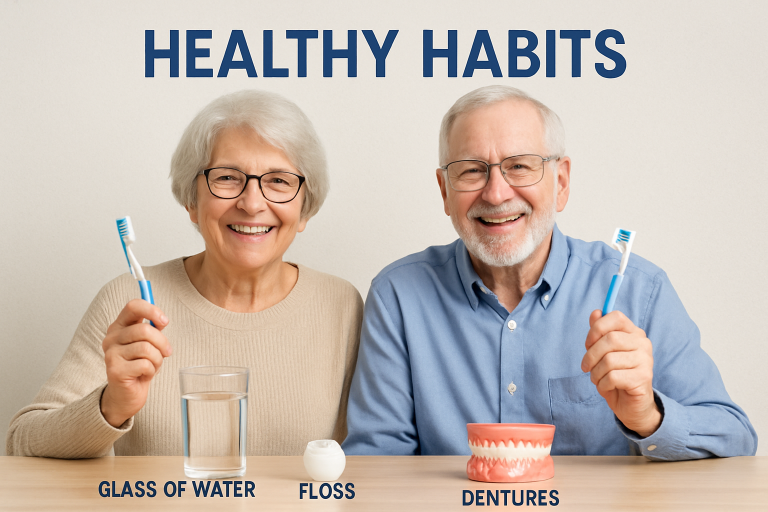
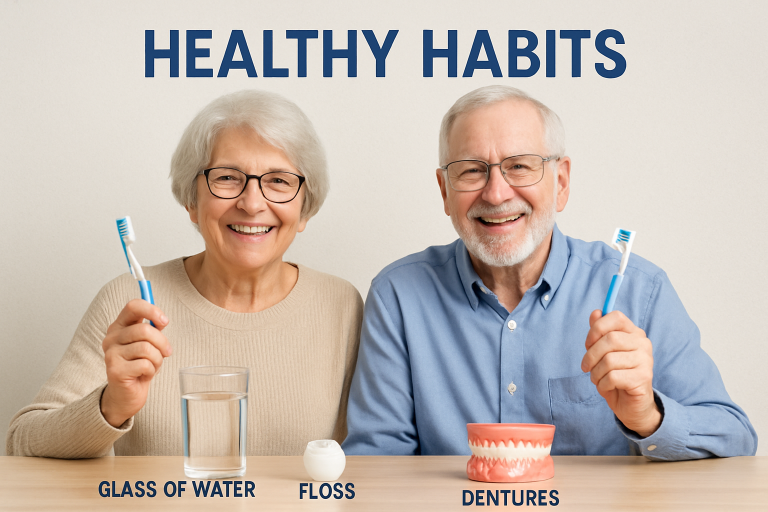
Daily home care is the most effective defense against tooth decay and gum disease. Seniors should brush their teeth twice each day for two minutes using fluoride toothpaste. Electric toothbrushes can be especially helpful for those with arthritis or dexterity challenges, making it easier to clean thoroughly. Flossing at least once daily helps remove food particles and plaque between teeth, protecting against the gum disease that is especially common in older adults.
Using an antimicrobial mouthwash may also help reduce bacteria that contribute to plaque and gum inflammation. Checking in with a dental professional ensures you’re using the proper techniques and oral care products best suited for your needs. Refer to the Mayo Clinic for guidance on brushing tips and product recommendations.
Proper Denture Care
Denture wearers need to follow a daily cleaning regimen to prevent soreness, infections, and the build-up of bacteria. Remove and thoroughly clean dentures every night, using a dedicated denture cleaner rather than regular toothpaste, which can be abrasive. Soak your dentures overnight to keep them moist and prevent warping, and always rinse them thoroughly before reinserting. Letting gums rest by removing dentures overnight prevents irritation and allows tissues to recover.
Balanced Diet
Good nutrition is a powerful ally for oral and overall health. A diet rich in calcium, vitamin D, and phosphorus strengthens teeth and bones. Seniors benefit from dairy products, leafy greens, nuts, and fish. Crunchy fruits and vegetables—like apples, celery, and carrots—also enhance oral health by physically cleaning teeth and stimulating saliva, which naturally helps neutralize acids in the mouth. Limiting sugary snacks, acidic foods, and sodas prevents enamel erosion and reduces the risk of cavities.
Hydration and Dry Mouth
Saliva plays a vital role in maintaining a healthy mouth, rinsing away food particles, and neutralizing the effects of acids. Many medications, as well as certain medical conditions common in seniors, can lead to dry mouth, increasing susceptibility to tooth decay and discomfort. To counteract this, drink water regularly and avoid caffeinated or alcoholic beverages that can further dry out the mouth. If dryness persists, consult a dental professional; products such as saliva substitutes are available to provide relief and protection.
Avoid Tobacco Products
Stopping smoking and the use of smokeless tobacco is essential for both oral and general health. Tobacco dramatically boosts the risk for gum disease, tooth loss, and oral cancer. Quitting improves circulation in the gums, increases the success of dental treatments, and enhances the sense of taste and smell. Support groups, medical counseling, and products such as nicotine patches can help smokers quit for good.
Be Aware of Oral Cancer Signs
Oral cancer rates climb steadily with age, but early detection greatly increases the likelihood of successful treatment. Seniors should examine their mouths monthly for any unusual changes, such as unhealed sores, persistent pain, lumps, or patches of discoloration. Bringing these to the attention of a dentist right away can make a critical difference in outcomes.
How to Perform an Oral Self-Exam
- Look for discoloration, sores, or unusual swellings on the tongue, gums, and cheeks.
- Feel for lumps or bumps along the neck and jaw.
- Check if any lesions or patches have not healed after two weeks.
Maintain Dental Work
Over the years, crowns, fillings, bridges, and dentures may show signs of wear, breakage, or looseness. Regular check-ups enable your dentist to spot and repair failing dental work, avoiding discomfort and more extensive treatments. Keeping up with maintenance preserves your investment and your peace of mind.
Caring for your teeth and gums at every stage of life is essential for maintaining overall health and well-being. By following these comprehensive dental health tips, seniors can maintain a healthy mouth well into their later years and improve their overall quality of life.