

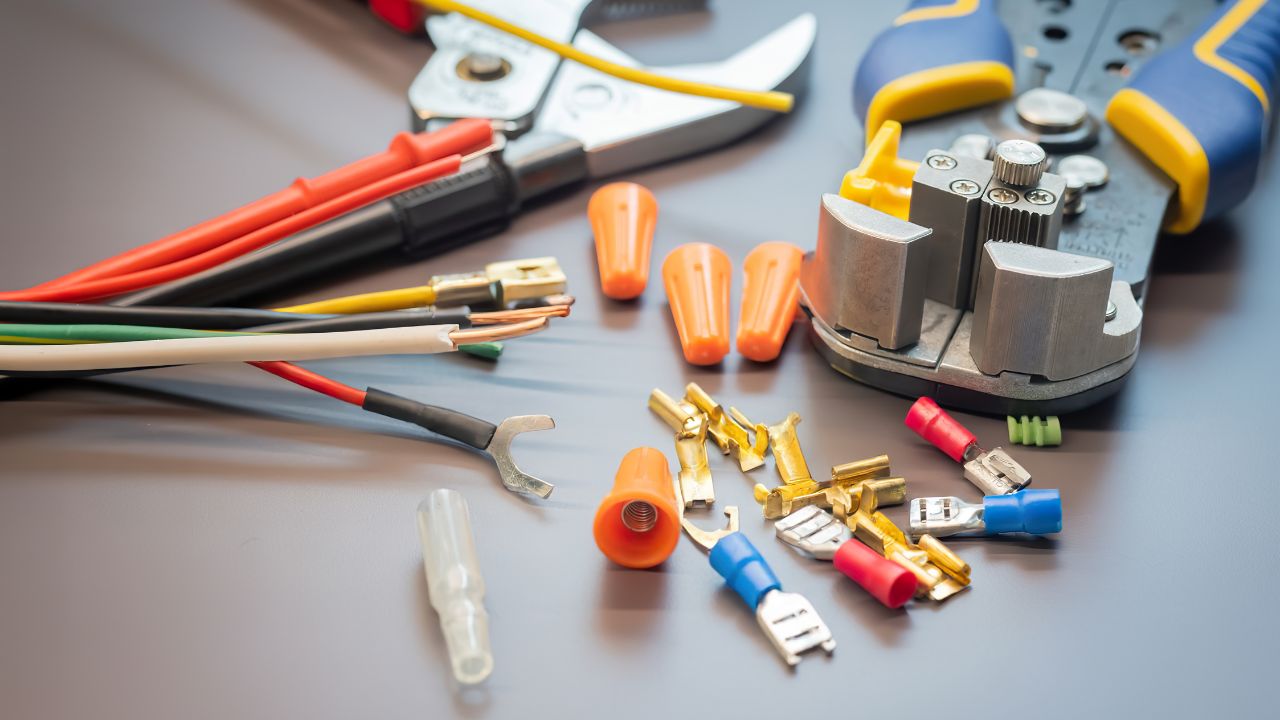
A cable stripper makes electrical work faster and cleaner, but even a small problem can cause wasted time and poor results. Many people face uneven cuts, damaged wire cores, or machines that stop working at the worst moment. Understanding what causes these problems and how to fix them keeps the job safe, accurate, and efficient.
This article explains the most common cable stripper issues and offers simple, practical fixes. It helps identify why stripping length goes off, why blades cut too deep, or why rollers fail to grip properly. With these tips, anyone can keep their tool working smoothly and avoid costly downtime.
1. Inconsistent stripping length due to incorrect settings or slipping feed wheel
A common cause of irregular strip lengths is incorrect machine settings or a feed wheel that slips during operation. If the blade depth or wire diameter settings are slightly off, the cutter may remove too much insulation or not enough. The operator should double-check calibration before running a full batch to reduce errors and material waste.
A copper cable stripper with complete accessories helps maintain stable performance because it allows quick adjustment of feed tension and stripping depth. Using tools with clear depth references also helps produce consistent results across different wire sizes.
Feed wheel slippage may stem from dirt, oil, or a loose grip on the wire jacket. Cleaning the wheel surface and tightening the pressure adjustment usually corrects the issue. If inconsistency continues, the operator should inspect for worn grooves or uneven wheel wear.
2. Wire core damage from improper blade calibration or excessive pressure
Wire core damage often happens when the stripper blade is not set to the correct depth. If the blade cuts too deeply, it can nick or slice into the conductor. This weakens the wire and may lead to failure later in use.
Proper calibration helps the blade remove insulation cleanly without cutting into the metal core. Technicians should inspect the blade gap and test with sample wires after each adjustment. Even a small misalignment can affect the accuracy of the cut.
Excessive pressure on the handle or feed rollers can also cause damage. Instead of improving the strip, too much force presses the wire against the blade and increases the chance of a cut core.
Regular maintenance keeps the machine in good shape. Cleaning and adjusting worn parts helps prevent uneven force and helps the blade stay at the correct setting. By controlling both pressure and calibration, operators protect wire quality and reduce waste.
3. Insulation not gripping properly because of worn or dirty feed rollers
Worn or dirty feed rollers often cause poor grip on wire insulation. Over time, rollers lose their surface texture, which reduces friction and allows the insulation to slip. Dirt, oil, or metal shavings can also build up and affect contact with the wire.
To fix this issue, first inspect the rollers for signs of wear or smooth spots. Cleaning them with a soft brush or a mild solvent can remove debris and restore traction. If cleaning does not help, replacement may be necessary to achieve steady performance.
Proper roller tension also matters. If the pressure is too low, the rollers fail to hold the insulation securely; if too high, they may deform or damage it. Adjusting the pressure evenly across both rollers usually solves this problem. Regular maintenance helps prevent these issues and keeps the cable stripper working smoothly.
4. Motor overheating caused by prolonged use or inadequate ventilation
A cable stripper’s motor can overheat if it runs for long periods without a break. Continuous use raises the internal temperature, which can dry out lubrication and weaken insulation. As a result, the motor may lose power or stop working altogether.
Poor airflow also leads to excessive heat. Dust buildup or blocked vents trap hot air around the motor. If the fan fails or airflow paths remain blocked, temperatures rise quickly.
Operators can reduce heat problems by cleaning vents regularly and avoiding heavy operation for too long. Allowing the motor to rest between uses helps keep temperatures steady. In addition, placing the tool in a cooler, well-ventilated space improves performance and extends motor life.
5. Blade misalignment leading to uneven cuts and stripping errors
Blade misalignment often causes uneven cuts that damage the cable insulation. Even a small shift in blade position can produce inconsistent strip lengths or nick the wire core. These small issues reduce product quality and waste materials.
Proper alignment keeps both blades centered over the wire path. If a blade tilts or sits too far to one side, one edge cuts deeper than the other. As a result, the machine may cut only part of the insulation while leaving residue that requires rework.
Technicians should inspect the blade position before each shift. They can use visual guides or alignment marks to verify placement. Tightening loose screws and recalibrating the alignment system usually corrects most accuracy issues.
Regular checks also help prevent future damage. Vibration and continuous use can gradually move blades out of line. Early detection saves time, reduces scrap, and maintains consistent stripping performance.
Conclusion
Regular care and proper use help a cable stripper keep steady results. Each fix, from adjusting the blade depth to cleaning residue, reduces wear and prevents poor cuts. Small checks before each task can stop larger issues later.
Users should test tools on sample cables before use. This step helps confirm that the blades cut insulation evenly and that the grip holds the cable firmly. Correcting small misalignments early saves time and improves accuracy.
Clear understanding of how the tool behaves under different cable types makes future troubleshooting faster. Those who build a habit of quick inspections and clean storage often see longer tool life and smoother work results.