

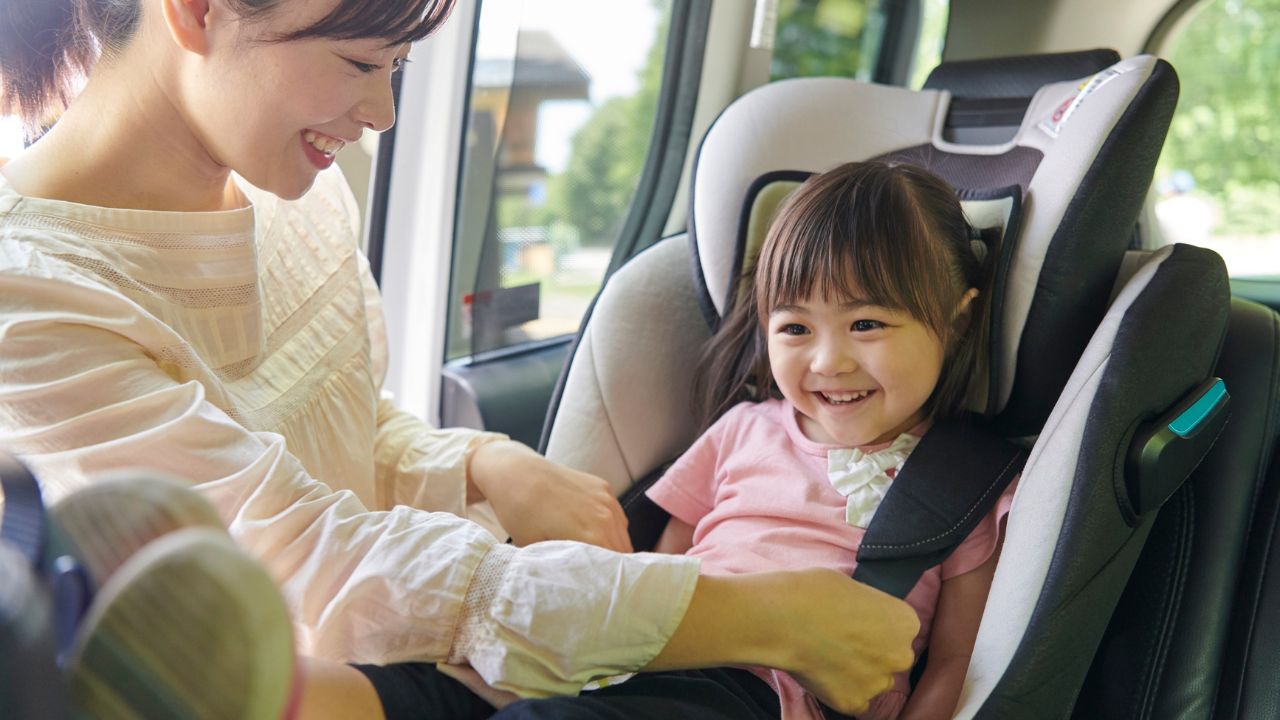
Parents often wonder about the specific age or height that determines front-seat readiness. This transition is a major safety decision, not just a milestone. Safety guidelines are rooted in physics and crash data, decisively proving the back seat is the fundamentally safer zone for children in nearly all accident scenarios.
The common belief that maturity is the key metric is incorrect, as crash forces are purely physical. The problem lies in how a child’s body handles impact. Their developing spine and pelvis are softer, making them vulnerable to severe injuries from standard seatbelts. Their neck muscles are also inadequate for the abrupt, violent forces of a collision.
The greatest risk of children in the front seat is the deployment of the passenger-side airbag, which is designed for an adult. If a child is too small or close, the explosive bag becomes a projectile, causing catastrophic injuries. True readiness must be measured by height and weight, establishing the necessary child front seat age requirements.
The Physical Risk of Immature Anatomy
The primary danger for children in the front is their developing skeletal structure. Adult seatbelt force is distributed across strong bones, but a child’s shallower hip bones cause the lap belt to ride up onto the soft abdomen. This “seat belt syndrome” puts extreme pressure on vital organs and the lower spine, leading to critical internal injuries.
The difference in body proportion is also critical. A child’s head is heavier relative to their body mass, subjecting the neck to whipping forces during a frontal collision. These forces can easily overwhelm their weaker neck vertebrae, sharply increasing the risk of severe spinal cord injury. Safety systems are simply not designed for their anatomy.
A low seating position severely increases the chance of trauma from the airbag. Airbags inflate at speeds over 200 mph. If a child is improperly seated, the bag strikes their face or head instead of their sternum, causing preventable trauma. Height and positioning are the only reliable safety metrics here.
Why Laws Rely on Crash-Test Evidence
State laws regarding front-seat riding are not arbitrary; they are based on rigorous crash-test evidence. Organizations like the NHTSA conduct extensive testing using specialized child crash-test dummies to map forces on developing bodies. This scientific data is the foundation of all policy and safety recommendations worldwide.
This testing confirms that all children under 13 should ride in the back. This guideline ensures the child has achieved sufficient physical size to be safely restrained by an adult belt, while guaranteeing proper distance from the powerful dashboard airbag. Recommendations are constantly updated as vehicle technology evolves.
When a state legislates a rule, like requiring restraints for those under 57 inches, it links a physical dimension to a measurable safety outcome. The core message is consistent: the child must be tall enough for the belt to fit across their strong skeletal points—the hip and shoulder—avoiding soft tissue injury.
The Unmatched Protection of the Back Seat
The rear passenger seats offer inherent safety advantages that the front row cannot replicate, especially in dangerous frontal collisions. The back seat acts as a natural buffer, positioning passengers farther from the immediate crush zone and the initial impact energy. The front seatbacks also absorb significant kinetic energy, shielding rear passengers from the dashboard.
Modern cars further enhance this protection. Many vehicles include advanced side-impact protection systems, such as curtain airbags and reinforced pillars, specifically engineered for the back row. This design protects children from intrusion while avoiding the unique frontal airbag danger found in the front seat.
It is tempting to allow a child up front for convenience, but the increased risk is never justified. The statistically safest spot is the center rear seat, which is the furthest point from any side- or front-impact intrusion. Utilizing this location with the appropriate child restraint maximizes their defense against serious harm.
How to Determine True Readiness
A child’s physical dimensions are far more important than their age for determining front-seat readiness. The most reliable diagnostic tool is the 5-Step Test: checking if the child can sit fully against the seat back with their knees bent naturally at the seat’s edge and remain comfortable.
Crucially, the lap belt must rest low across the upper thighs, never the abdomen. The shoulder belt must cross the center of the chest and shoulder, avoiding the neck or face. If the child fails any of these five steps, they still require a booster seat to achieve the correct belt geometry for safety.
Many children stop using a booster too early. A child generally needs to be at least 4 feet 9 inches (57 inches) tall before a vehicle’s standard seatbelt correctly fits their frame. Skipping this height requirement means the belt cannot protect the strongest parts of the body, creating significant internal risks during an accident.
Prioritizing Safety Over the Milestone
The guidance to keep children in the back seat until they reach sufficient size (age 13 or over 57 inches) is a critical safety measure based on medical consensus. This is a straightforward trade-off: a minor temporary inconvenience for a massive reduction in the risk of severe injury. This decision is proactive parenting that prioritizes their long-term health and well-being.
Though children will lobby hard for the front seat, reinforcing the back row as the mandatory default until they meet the physical requirements is the smart move. Parents must rely on objective metrics like height and weight as their primary guides, ignoring arbitrary calendar age. The core goal is ensuring the vehicle’s safety features can protect them as designed.
Safety guidelines will continue to evolve with technology, but a child’s fundamental physiology remains constant. By staying informed and resisting the urge to push the timeline, parents ensure the best protection. The front seat is a fun milestone, but until their anatomy catches up to adult standards, the back seat remains the safest place for the ride.