

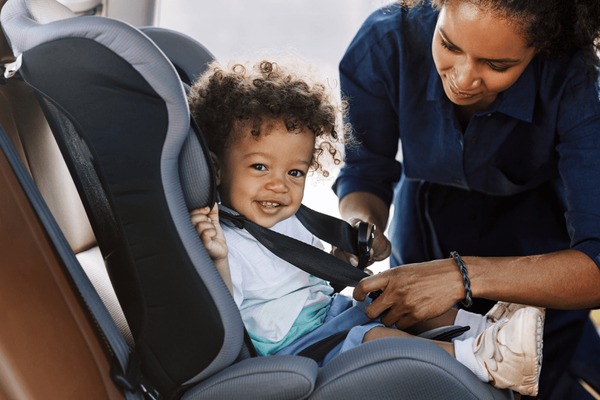
Understanding the basic car seat rules is necessary in many states of the U.S., such as how to safely buckle up your child as they grow, which can seem tricky. Did you know that more than 82 percent of car seats are installed incorrectly? Keeping children safe in the car is something every parent wants, yet car seat mistakes are far more common than most people realize.
A small mistake, such as loose straps or using the wrong seat for a child’s age, can lessen the protection during a car accident. Knowing where parents usually go wrong is the first step toward safer travel for kids.
Car seat laws and safety recommendations in many states also change as children grow. What worked for a toddler may not be safe for a preschooler. Parents who rely on old advice or guesswork may unknowingly put their child in danger. If you want to know about child car seat rules, it is crucial to learn not only the laws but also the everyday errors that happen during normal use.
Here are some of the common mistakes that parents make with car seats while driving with their children.
Understanding Why Car Seat Mistakes Happen
The common mistakes about the car seats usually fall into a few of the categories:
- Seat fixing and arrangement should be proper, like choosing the wrong type of car seat for the child’s age, height, or weight.
- Installing the car seat incorrectly.
- Not adjusting the harness or seat as the child grows.
- Moving a child to the next stage too quickly.
Common Car Seat Mistakes Parents Should Avoid
Here are some of the common mistakes you should be aware of and avoid before the worst things happen.
- Many parents are placing their kids in the front seat too early, before they grow older. Still, keeping children rear-facing longer offers better head, neck, and spine protection.
- Generally, car seats are manufactured and fixed with specific height and weight limits. But many parents are installing their car seats with customizations and placing their kids in them.
- Incorrectly installing a car seat is one of the most common and dangerous mistakes. A car seat should not move more than an inch from side to side or front to back. Therefore, in accordance with seat belt laws in the United States, please act responsibly when customizing and installing car seats.
- Another mistake regarding seat belts is incorrect harness positioning. Harness straps that are too loose, twisted, or placed at the wrong height can fail during the application of sudden braking. The chest clip should sit at armpit level, not on the belly or neck.
- Some parents move children straight from a car seat to a regular seat belt. Without a booster, seat belts may not fit correctly and can cause severe injury. So, parents should be aware of seat boosters while driving with a child.
- Many parents are using expired or damaged car seats. Generally, the car seats have expiration dates. Materials weaken over time, and seats involved in previous car crashes may no longer safeguard properly.
Conclusion
In summary, correctly using car seats is vital for child safety on the road. By avoiding common mistakes—such as improper installation, premature transitions, and ignoring harness fit—parents can significantly reduce risks. Staying informed about current laws and guidelines ensures children receive the best protection as they grow.
Key Takeaways
- Always opt for a car seat based on your child’s current height, weight, and age, not convenience.
- Ensure the car seat is tightly installed, and the harness fits snugly every time.
- Delay moving to the next car seat stage for as long as safety guidelines allow.
- Regularly review instructions and check for updates to safety rules for car seats in the U.S.