

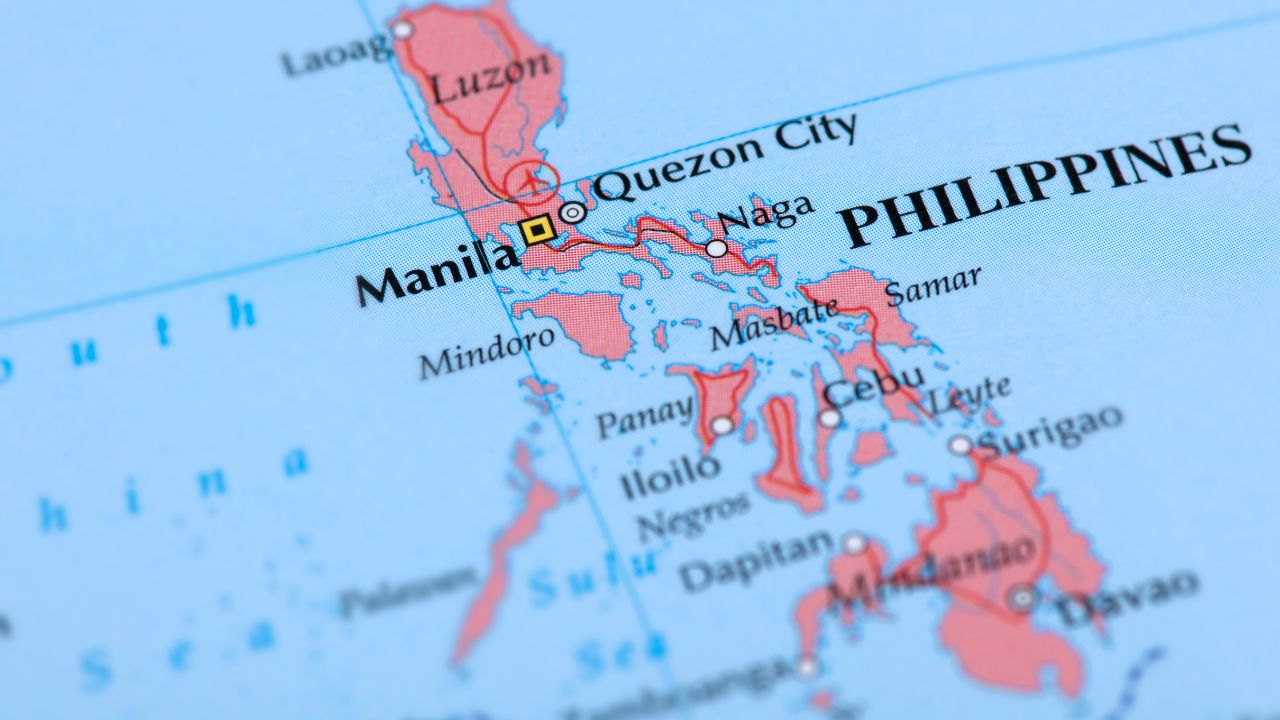
When people talk about 21st century literature from the Philippines and the world, they are usually referring to writing created from the year 2000 onward that reflects rapid social change, globalization, technology, and shifting identities. In simple terms, it’s literature that sounds like now. These stories deal with modern life, modern problems, and modern voices, whether they come from Manila, New York, Lagos, or Tokyo.
This topic matters because literature in the 21st century is no longer confined to a single culture or style. Writers from the Philippines and around the globe are responding to shared experiences like migration, mental health, climate change, political conflict, and digital life, while still grounding their work in local realities.
What Defines 21st Century Literature?
Unlike earlier literary periods that followed strict movements or styles, 21st century literature is flexible and diverse. There is no single “right” way to write anymore.
Some defining features include:
- Exploration of identity, race, gender, and culture
- Blending of traditional and experimental storytelling
- Use of digital platforms and non-linear narratives
- Strong focus on personal voice and lived experience
Writers today are less concerned with fitting into labels and more interested in telling honest, relevant stories.
21st Century Philippine Literature: Voices Becoming Louder
Philippine literature in the 21st century reflects a country negotiating history, modernity, and global influence all at once. Writers often explore themes of colonial memory, diaspora, poverty, love, politics, and everyday survival.
Many Filipino authors write in English, Filipino, or regional languages, sometimes blending them in a single work. This multilingual approach mirrors real Filipino life and gives modern Philippine literature its unique rhythm.
Contemporary Filipino writing also benefits from wider access to global publishing. Authors can now reach international audiences without losing their cultural roots, allowing Filipino stories to stand confidently on the world stage.
Notable Philippine Writers of the 21st Century
Several Filipino authors have shaped modern literature through novels, short stories, and poetry.
Miguel Syjuco gained international recognition for his politically charged fiction that explores corruption, exile, and national identity.
Gina Apostol is known for complex, layered narratives that challenge official versions of Philippine history.
Writers like Merlinda Bobis and Lualhati Bautista continue to influence younger generations through works that center women’s voices and social realism.
21st Century World Literature: A Global Conversation
Around the world, 21st century literature has become deeply interconnected. Writers are influenced not just by their own cultures but by global events and cross-cultural dialogue.
Themes that appear again and again include:
- Immigration and displacement
- War, terrorism, and political unrest
- Technology and isolation
- Climate anxiety and environmental loss
Modern world literature often blurs the line between the local and the global, showing how personal lives are shaped by larger forces.
Influential Global Authors of the 21st Century
Many contemporary authors have reshaped global storytelling.
Chimamanda Ngozi Adichie explores feminism, identity, and postcolonial life with clarity and emotional depth.
Haruki Murakami blends surrealism with modern loneliness, capturing the quiet strangeness of contemporary life.
Margaret Atwood continues to influence 21st century literature through speculative fiction that feels uncomfortably close to reality.
These writers show how literature today crosses borders without losing its cultural soul.
Popular Genres in 21st Century Literature
Modern literature isn’t limited to “serious” novels anymore. Genres once considered niche are now central to literary conversations.
Some dominant genres include:
- Speculative and dystopian fiction
- Young adult literature with complex themes
- Graphic novels and visual storytelling
- Creative nonfiction and memoir
This shift reflects changing reading habits and a broader definition of what counts as meaningful literature.
Technology’s Role in Modern Writing
Technology has changed not just how stories are told, but how they are shared. Blogs, online magazines, self-publishing platforms, and social media have opened doors for voices that were once excluded.
For Filipino and international writers alike, this means more freedom, faster feedback, and direct connections with readers. At the same time, it challenges authors to stand out in a crowded digital space.
Why 21st Century Literature Still Matters
In a fast-moving world, literature remains a space for reflection. It slows us down, asks difficult questions, and helps us understand lives different from our own.
Whether it’s a short story from the Philippines or a novel from another continent, 21st century literature captures what it feels like to live in uncertain, interconnected times.
Final Thoughts
21st century literature from the Philippines and the world is not defined by a single style or theme. It is defined by diversity, honesty, and relevance. These stories reflect who we are now, how we see ourselves, and how we imagine the future.
As long as the world keeps changing, writers will keep responding. And that makes 21st century literature one of the most exciting and important literary periods to explore today.