

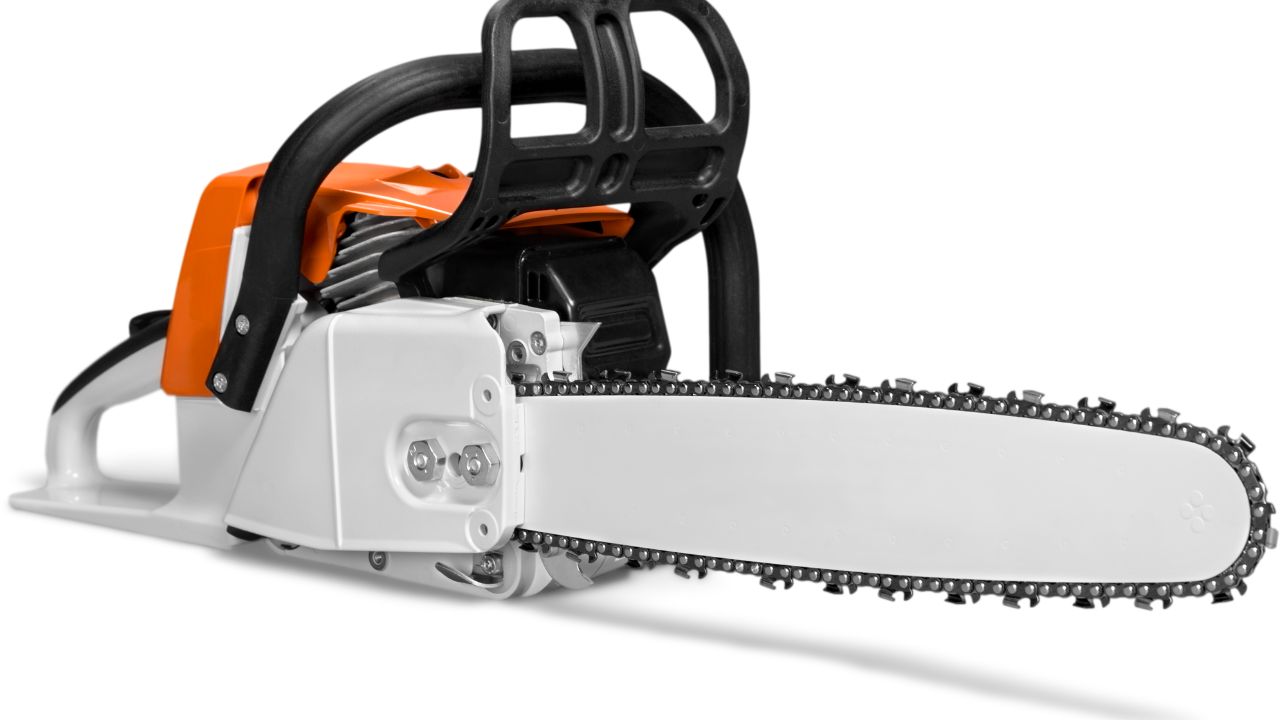
Professionals across forestry, construction, and property maintenance still depend on gas chainsaws for demanding work. These tools remain the standard choice for those who need strength, endurance, and consistency in tough environments. Gas chainsaws continue to lead where maximum power and uninterrupted performance matter most.
Battery-powered models have improved, but gas versions maintain clear advantages in power delivery, runtime, and adaptability. They meet the expectations of professionals who handle large projects or work far from charging access. This article explores the practical reasons experts continue to favor gas chainsaws despite advances in battery technology.
1. Higher power output for heavy-duty cutting
Professionals often choose gas chainsaws because they deliver steady, high power that can handle thick logs and hardwood with ease. Models such as 12 inch gas chainsaws use small but efficient engines that push through dense material without losing force.
A 25.4CC engine, for example, keeps its speed even under pressure, making each cut smooth and accurate. It runs at speeds high enough to slice through tough branches or large trunks while maintaining control.
This consistent performance makes gas chainsaws suitable for demanding outdoor work like cutting firewood, trimming thick limbs, or clearing land quickly.
2. Longer runtime without battery swaps
Gas chainsaws continue to draw professionals because they last longer on a single tank than battery models do on one charge. A worker can cut for hours before refueling, which saves time and avoids interruptions on a large job site.
Battery-powered units often stop after 30 to 60 minutes, depending on capacity. Operators must carry spare batteries or wait for a recharge, which slows down production.
For field crews or remote work, steady power matters more than plug-in convenience. Gas engines deliver consistent performance throughout a shift, and a quick refill gets the tool back to work faster than swapping or charging batteries.
3. Superior torque for dense wood
Gas chainsaws produce higher torque, which gives them a stronger cutting force through thick or dense wood. This torque helps maintain blade speed under pressure, so the saw keeps moving even in tough grain patterns or knot-heavy logs.
Higher torque also allows users to cut faster and with fewer pauses. It makes a noticeable difference for professionals who deal with hardwood or large timber on a daily basis.
Battery models have improved, yet they lose torque as power drains. Gas units, however, hold steady output from start to finish, giving users the consistency they need for demanding woodcutting work.
4. Faster refueling with gasoline
Gas chainsaws allow professionals to refuel in just a few minutes. They can pour in fresh fuel and return to work almost immediately. This fast turnaround helps them stay productive during long cutting sessions.
Battery chainsaws, in contrast, must sit idle while the battery recharges. Even quick chargers can take time that adds up during a busy day. As a result, crews often need multiple charged batteries on hand to match the pace of a gas model.
For jobs that demand continuous operation, this difference matters. Quick gasoline refills keep the work steady and reduce downtime on site.
5. Durability in extreme conditions
Gas chainsaws continue to perform well in harsh environments where battery models often face limits. They handle cold, wet, or dusty conditions without much drop in power or runtime. Their engines operate independently of temperature-sensitive batteries, which can lose capacity in freezing weather.
Professionals appreciate how gas models keep consistent performance through long, demanding workdays. The metal construction and fewer electronic parts reduce the chance of damage from impact or moisture.
In remote areas with no easy power access, gas chainsaws also prove dependable. A short refuel keeps them running again, allowing crews to stay productive even in tough outdoor conditions.
6. Consistent performance under continuous use
Gas chainsaws hold steady power during long work sessions. Their engines keep cutting strength constant because fuel delivers energy without a quick loss. This helps professionals finish big jobs like felling trees or sectioning large logs without pauses for recharge.
Battery units often show reduced torque as power drops. After heavy cuts, performance can fade before the battery fully drains. In contrast, gas models keep the same pace until the tank empties.
This steady operation matters for crews who must meet tight schedules. They can refuel in minutes and continue cutting instead of waiting for batteries to recharge, which keeps projects moving smoothly.
7. Wider availability of fuel in remote locations
Fuel for gas chainsaws often stays easier to find in isolated areas where power outlets or charging stations are scarce. Many remote regions already support fuel delivery systems that keep construction sites, farms, or small communities supplied.
Mobile fuel trucks can reach rough terrain and refill local storage tanks, giving workers a steady source of gasoline. This setup helps them keep equipment in use without long trips to refuel elsewhere.
Fuel availability also stays more consistent during outages or poor weather. Therefore, professionals in off-grid zones favor gas chainsaws because they can depend on the existing fuel network to keep projects on schedule.
8. Lower upfront cost for comparable power
Gas chainsaws usually cost less up front than battery models that offer equal cutting strength. A good gas saw provides strong torque without the added expense of batteries or chargers. This matters to professionals who need several tools ready for full workdays.
Battery chainsaws can seem cheaper at first, but extra batteries quickly increase the total cost. Replacing older batteries over time adds even more expense.
For professionals who want dependable power at a lower initial price, gas chainsaws still make financial sense. The balance between cost and output continues to draw those who rely on their tools daily.
9. Better suited for prolonged professional tasks
Gas chainsaws handle long work hours better because they run as long as there is fuel on hand. Professionals can refuel in seconds instead of waiting for batteries to charge. This makes a big difference on full workdays or remote jobs where outlets are not available.
They also maintain steady power across extended use. Battery models often lose strength as charge levels drop, while gas engines deliver consistent output until the tank is empty.
In addition, gas chainsaws are built for demanding conditions. Their engines and metal parts hold up under heavy workloads, which helps workers stay efficient through long cutting sessions.
Conclusion
Gas chainsaws still meet the needs of professionals who depend on strength, steady torque, and long runtime. They handle frequent, heavy-duty work without the short pauses needed to recharge batteries. This makes them practical for those working far from power sources.
Battery chainsaws continue to improve, but many pros value gas models for nonstop use and quick refueling. Their consistent performance under pressure remains a key advantage.
Therefore, gas-powered tools will likely stay in professional toolboxes for tough and continuous tasks. They provide the durability, control, and output that demanding jobs often require.