

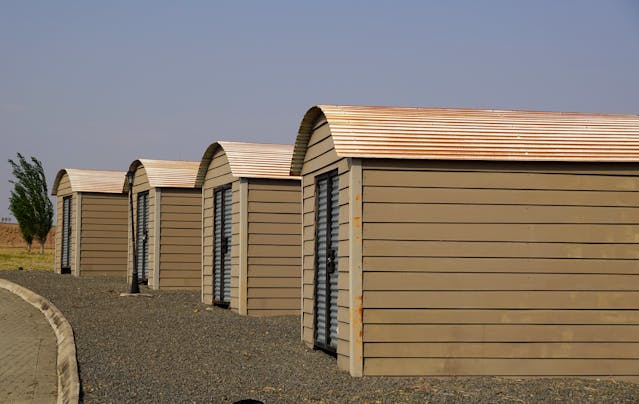
A well-designed shed is no longer just a place to stash tools. Across Australia, sheds have evolved into versatile, valuable extensions of the home—supporting storage needs, hobbies, home businesses, and even leisure activities. Whether you live in the suburbs, regional areas, or on a larger property, choosing the right shed can dramatically improve organisation, functionality, and property value.
Drawing on hands-on experience with residential, lifestyle, and rural shed solutions, this guide walks you through everything you need to know—from practical uses and materials to planning, advantages, and expert tips—so you can make a confident, long-term decision.
Why Sheds Are a Smart Investment for Australian Homes
Australian homes often require flexible outdoor storage due to climate conditions, active lifestyles, and limited indoor space. A quality shed offers multiple long-term benefits, including:
- Protection from harsh sun, heavy rain, and coastal weather
- Extra usable space without the cost of home extensions
- A dedicated area for storage, work, or recreation
- Improved property appeal and resale value
When planned correctly, a shed becomes a functional asset rather than an afterthought.
Common Types of Sheds and Their Uses
Home Storage Sheds
Home storage sheds are among the most practical additions to any property.
They are ideal for storing:
- Gardening tools and lawn equipment
- Bicycles, scooters, and sporting gear
- Seasonal items such as decorations
- DIY tools and household overflow
By relocating clutter outdoors, these sheds help free up garages and living areas.
Key features to look for include lockable doors, proper ventilation to prevent moisture build-up, and internal shelving or wall-mounted storage systems.
Garden Sheds
Garden sheds are designed specifically for outdoor maintenance and plant care.
Common uses include:
- Potting and propagating plants
- Storing fertilisers, soil, and garden tools
- Housing hoses, wheelbarrows, and lawn mowers
For keen gardeners, a garden shed often doubles as a potting workspace or seed-starting area, improving efficiency and enjoyment.
Recreational and Lifestyle Sheds
Recreational sheds have grown in popularity, particularly as more Australians seek flexible spaces at home.
Popular lifestyle shed ideas include:
- Home gyms or yoga studios
- Man caves or she sheds
- Art, music, or craft studios
- Workshops for woodworking or mechanical projects
These sheds are often insulated, powered, and customised for comfort and long-term use.
Farm and Rural Sheds
On larger properties, sheds play a critical role in daily operations. Purpose-built Farm Sheds are commonly used for machinery storage, feed protection, workshops, and general infrastructure support. When designed correctly, they provide durability, space efficiency, and long-term value for rural landowners.
Shed Materials: Choosing What Works Best
Selecting the right material is essential for performance, longevity, and maintenance.
Steel Sheds
Steel sheds are one of the most popular options across Western Australia.
Advantages include:
- High durability and weather resistance
- Fire resistance
- Low ongoing maintenance
- Excellent performance in Australian conditions
Without insulation, steel sheds can retain heat, but this is easily managed with proper ventilation and lining. Due to their strength and lifespan, steel sheds are a common choice for homeowners and businesses searching for reliable Sheds Perth solutions.
Timber Sheds
Timber sheds offer a more traditional appearance.
Benefits include natural aesthetics, easy customisation, and better natural insulation. However, timber requires regular upkeep and is more vulnerable to termites, rot, and weather damage over time.
Plastic or Resin Sheds
Plastic sheds are lightweight and easy to assemble, with minimal maintenance requirements. While they resist rust and rot, they are generally better suited to light storage due to size and strength limitations.
How to Choose the Right Shed: Step-by-Step
Step 1: Define the Purpose
Clarify how the shed will be used. Consider whether it is primarily for storage, work, or recreation, and whether it will need power, insulation, or lighting.
Step 2: Measure Available Space
Check yard dimensions, access for delivery, boundary clearances, and door swing space. Planning for future expansion is also wise.
Step 3: Check Council Requirements
Many councils allow small sheds without approval, but larger or powered structures often require permits. Boundary setbacks and zoning rules may apply, so confirming requirements early prevents delays.
Step 4: Choose the Right Base
Common base options include concrete slabs, pavers, or raised flooring systems. A solid foundation significantly extends the life of any shed.
Step 5: Plan Ventilation and Security
Good airflow prevents condensation, mould, and rust. Security features such as lockable doors, reinforced hinges, and sensor lighting add peace of mind.
Pre-Fabricated vs Custom Sheds
Pre-fabricated sheds are cost-effective, quicker to install, and ideal for basic storage needs. They offer standard sizing and limited design flexibility.
Custom sheds involve a higher upfront investment but provide complete design freedom. They are better suited for workshops, recreational spaces, or rural and farm applications where specific dimensions and features are required. Over time, custom sheds often deliver greater long-term value.
Maintenance Tips for Long-Lasting Sheds
- Inspect annually for rust, rot, or leaks
- Clean gutters and roof panels regularly
- Repaint or reseal timber as needed
- Ensure doors, hinges, and locks operate smoothly
Routine maintenance prevents small issues from becoming expensive repairs.
Shed Planning Checklist
Before purchasing, consider:
- Intended use
- Budget range
- Preferred material
- Council approval requirements
- Base and foundation type
- Power, lighting, and ventilation needs
- Security features
Frequently Asked Questions
How long do sheds typically last?
A well-built steel shed can last 20 to 30 years or more with minimal maintenance. Timber sheds may last slightly less depending on care and climate.
Can a shed be used as a home office?
Yes, provided it is insulated, powered, and complies with local regulations. Many Australians now use sheds as productive workspaces.
Do sheds add value to a property?
Quality sheds often increase buyer appeal, especially when used as workshops, storage hubs, or recreational spaces.
Is insulation necessary?
For work or lifestyle sheds, insulation greatly improves comfort, reduces heat, and protects equipment.
What size shed suits a suburban home?
Most suburban properties suit sheds ranging from 3×3 metres for storage to 6×6 metres or larger for workshops or lifestyle use.
Final Thoughts:
A shed is far more than a simple outdoor structure. When thoughtfully planned and well-built, it becomes a practical extension of your home or property—adding storage, flexibility, and long-term value.
Whether you’re investing in compact garden storage, versatile home workshops, or robust rural solutions, choosing the right shed ensures years of daily convenience and dependable performance.