

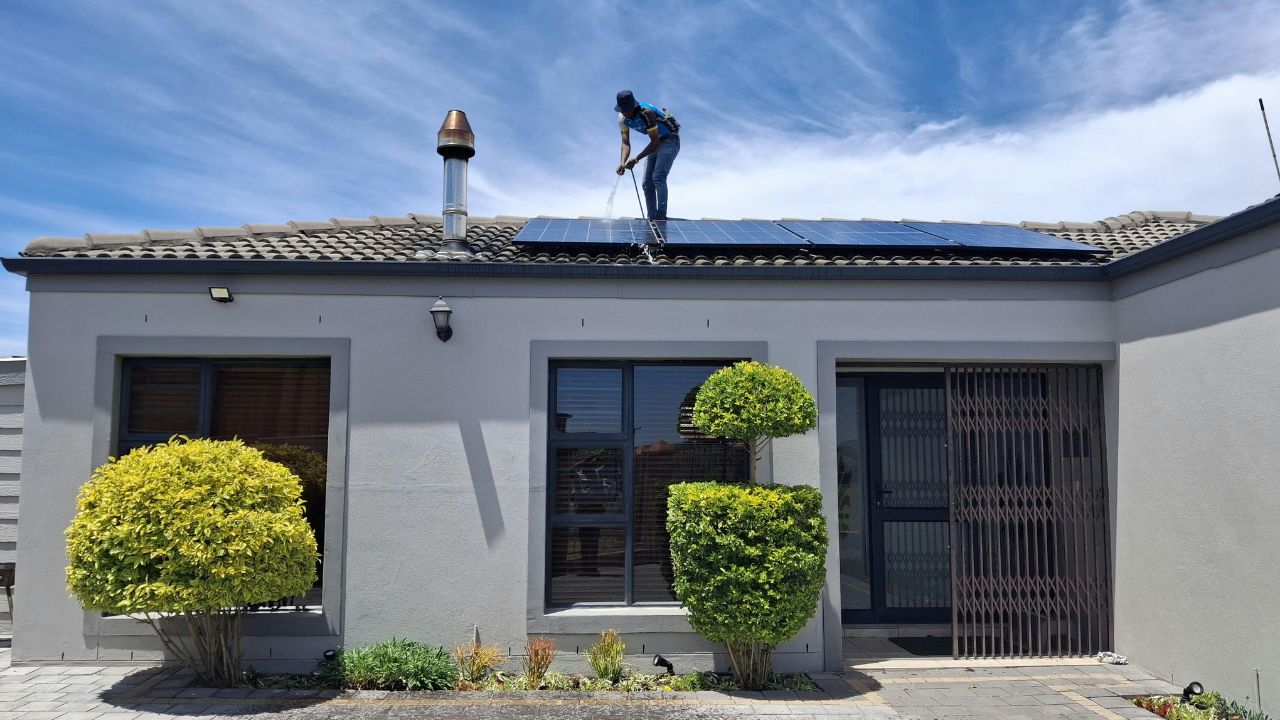
As environmental awareness grows and utility costs continue to rise, energy-efficient features are becoming an essential consideration in modern home design. From advanced insulation and high-performance windows to smart thermostats and energy-efficient appliances, homeowners are increasingly prioritizing systems that reduce energy consumption while maintaining comfort. These innovations not only help lower utility bills but also contribute to a smaller carbon footprint, reflecting a broader shift toward sustainable living practices.
New construction projects, such as those by Redmond WA new construction, are increasingly incorporating these energy-conscious features from the outset. By integrating sustainable materials, efficient heating and cooling systems, and smart home technologies, these homes are setting a new standard for performance and comfort. As a result, energy-efficient design is no longer a niche trend—it is shaping the expectations and experiences of homeowners today.
Rising Demand for Energy-Efficient Homes
Energy efficiency is now seen as a non-negotiable feature among buyers. According to a recent report by the National Association of Realtors, a growing percentage of agents share that buyers frequently seek homes with green or upgraded energy features. The prevalence of properties boasting high-efficiency windows, insulation, appliances, and solar panels reflects a broader cultural shift toward sustainable living. Not only are these homes better for the environment, but they also promote healthier indoor conditions and substantial long-term financial savings.
Smart Home Technologies Enhancing Efficiency
At the heart of today’s most sustainable homes are smart technologies designed to optimize usage, automate routines, and provide actionable insights. AI-driven thermostats, app-controlled lighting, and sensor-enabled window coverings work together to reduce waste and maintain comfort. These innovations monitor occupancy, weather, and daily activities to adjust energy consumption, enabling residents to manage their homes remotely while significantly reducing their energy bills. Many home builders now incorporate these advancements as standard, elevating efficiency and convenience across the board.
Sustainable Building Materials
Sustainability begins with selecting the right materials. Modern construction relies heavily on products like bamboo flooring, reclaimed wood, low-VOC paint, recycled metal, and high-performance insulation. These choices not only minimize the carbon footprint of new builds but also improve air quality, reduce heat loss, and boost overall property resilience. Increasingly, buyers are drawn to homes where architectural design is complemented by eco-friendly components.
Financial Incentives and Certifications
The role of government programs and certifications cannot be overstated. From tax credits for solar panel installations to rebates for high-efficiency appliances, homeowners can access numerous incentives that make green upgrades more accessible. Recognizable programs, such as ENERGY STAR and LEED, validate a property’s sustainability, enhancing both its credibility and value in the marketplace. These certifications also help buyers distinguish truly efficient homes from those with superficial improvements, making them a crucial tool for informed investing.
Net-Zero and Energy-Positive Homes
One of the most exciting shifts in real estate is the arrival of net-zero and energy-positive homes. Net-zero homes are designed to generate as much energy as they consume throughout the year, typically through the use of solar panels combined with airtight insulation and advanced HVAC systems. Some homes push beyond zero, achieving positive energy output by exporting surplus electricity back to the grid. These structures serve as benchmarks for sustainable living, protecting homeowners from rising energy costs while also contributing to public utilities and reinforcing community resilience.
Impact on Property Values
Homes with advanced green features consistently outperform traditional properties on the market. Studies show that energy-efficient homes fetch premium prices—sometimes by as much as 10-15%—and tend to sell more quickly. Buyers are willing to invest more for properties with proven cost-saving capabilities, trusted certifications, and smart integrations. As buyers become more discerning, these features represent tangible value and a competitive edge in the current marketplace.
Future Trends in Energy-Efficient Housing
The pace of innovation in energy-efficient housing shows no sign of slowing. Emerging trends include the widespread incorporation of battery energy storage systems, heat pump water heaters, and triple-glazed windows. Experts also predict greater integration of renewable power with smart grids and advancements in modular construction that allow for easier upgrades. As policy and public awareness continue to evolve, these trends will further solidify the role of sustainability in residential real estate, promising increasingly greater benefits for forward-thinking homeowners.
Conclusion
Energy-efficient features are no longer optional—they are central to the way modern homes are designed, built, and valued. From smart technologies that optimize energy use to sustainable building materials and net-zero designs, these innovations reduce environmental impact, lower utility costs, and improve overall comfort and health. Coupled with government incentives and certifications, energy-efficient homes offer both immediate and long-term benefits for homeowners and communities alike. As these practices continue to evolve, future residences will increasingly blend sustainability, technology, and style, creating homes that are not only environmentally responsible but also more adaptable, valuable, and enjoyable to live in.