

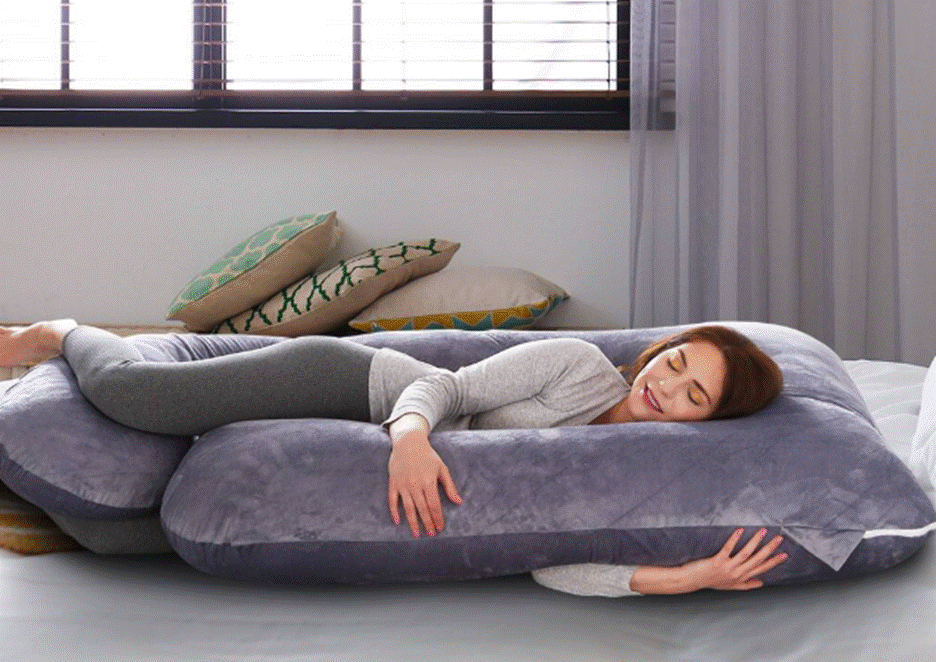
Learning how to use a pregnancy pillow for back pain can make a dramatic difference in sleep quality during pregnancy. As your belly grows and your center of gravity shifts, pressure on the lower back increases—often leading to stiffness, aching, or sharp pain that worsens at night.
A supportive pregnancy and maternity pillow is designed to reduce spinal strain, improve alignment, and relieve pressure on the lower back, hips, and pelvis. When used correctly, it helps your body rest in a safer, more neutral position that supports both comfort and circulation.
Spinal Alignment Is Key: The Core Principle for Lower Back Pain Relief
Back pain during pregnancy is often the result of poor spinal alignment rather than injury. As the abdomen grows, the pelvis tilts forward, exaggerating the natural curve of the lower back (lumbar lordosis).
A pregnancy pillow works best when it helps:
- Keep the spine in a neutral position
- Prevent twisting through the waist and hips
- Distribute weight evenly while side sleeping
Without support, your torso and legs may rotate in opposite directions, placing strain on the lumbar spine throughout the night. Proper pillow placement corrects this misalignment and allows muscles to fully relax.
The Knee-Tuck Technique: Placing the Pillow Between Legs for Hip and Pelvic Support
One of the most effective ways to reduce back pain is placing part of the pillow between your knees while side sleeping.
Why this helps:
- Keeps hips stacked instead of rotating forward
- Reduces tension on the sacroiliac (SI) joints
- Prevents pelvic twisting that strains the lower back
How to do it properly:
- Lie on your side with knees slightly bent
- Place the pillow fully between both thighs and knees
- Ensure the pillow reaches from knees to ankles
This position aligns the pelvis with the spine, significantly reducing overnight lower back strain.
Targeting the Lumbar Area: Using the Pillow to Fill the Arch of the Lower Back
Many pregnant sleepers experience a hollow gap between the mattress and their lower back. This unsupported space allows the spine to sag, worsening pain.
Correct lumbar placement:
- Tuck part of the pillow snugly against your lower back
- Ensure it fills the natural curve without forcing your spine forward
- Adjust thickness based on comfort
By filling this gap, the pillow stabilizes the lumbar region and reduces muscle overcompensation, which is a common cause of morning stiffness.
Preventing Supine Roll: Positioning the Pillow Behind You to Maintain Side Sleeping
Rolling onto your back during sleep can increase back pain and reduce circulation—especially in the second and third trimesters.
Using your pregnancy pillow behind your back creates a physical barrier that:
- Prevents accidental back-sleeping
- Keeps your torso slightly angled
- Maintains safe side-sleeping posture
This semi-side position eases pressure on the spine while protecting blood flow to the uterus and placenta.
Cradling the Baby Bump: Relieving Abdominal Weight and Forward Pull on the Spine
As pregnancy progresses, the weight of the belly pulls the spine forward, increasing lumbar strain.
How bump support helps:
- Reduces downward and forward abdominal pull
- Eases tension on back muscles
- Prevents over-arching of the lower spine
To achieve this:
- Rest part of the pillow under your belly
- Ensure it supports the bump without lifting it unnaturally
- Adjust height as your belly grows
Proper bump support works hand-in-hand with lumbar support to relieve back pain.
Customizing the C-Shape: Utilizing the Open Curve for Specific Back or Belly Support
C-shaped pregnancy pillows offer flexibility for targeted relief.
Best uses for a C-shaped pillow:
- Curve along your back for lumbar support
- Wrap the open end under the belly
- Position between knees for pelvic alignment
This shape is ideal if you prefer lighter support or want to customize placement nightly based on where pain is most intense.
The U-Shape Advantage: Full-Body Encapsulation for Consistent Spinal Neutrality
U-shaped pregnancy pillows provide support on both sides of the body simultaneously.
Benefits for back pain:
- Keeps spine neutral from shoulders to hips
- Prevents rolling and twisting
- Supports back, belly, and legs at once
This design is especially helpful for sleepers who move frequently or wake up with back pain from shifting positions overnight.
Addressing Sciatica: Specialized Placement to Relieve Nerve Pressure in the Hips
Sciatic pain—sharp or radiating pain from the lower back down the leg—is common during pregnancy.
Targeted pillow placement for sciatica:
- Place extra pillow support under the top leg
- Elevate the knee slightly higher than the hip
- Support the lower back to prevent spinal compression
This positioning reduces pressure on the sciatic nerve and helps calm nighttime nerve irritation.
Small Adjustments That Enhance Pillow Effectiveness
Even the best pregnancy pillow works best when paired with proper sleep posture and small, intentional adjustments. These subtle changes can significantly improve comfort and reduce back strain throughout the night.
Tips to Get the Most Relief
- Keep shoulders stacked and relaxed: Make sure your top shoulder isn’t rolling forward or collapsing inward. Stacked shoulders help maintain spinal neutrality from neck to lower back and prevent upper-body twisting that can aggravate back pain.
- Avoid curling forward too tightly: While side sleeping is recommended, excessive curling can compress the abdomen and round the spine. Aim for a gentle bend in the knees rather than a fetal position to reduce lumbar strain.
- Change sides periodically: Staying on one side for too long can cause pressure buildup in the hips and lower back. Switching sides helps redistribute weight, improve circulation, and prevent localized soreness.
- Combine pillow support with gentle daytime stretching: Light stretches for the hips, hamstrings, and lower back during the day reduce muscle tightness that can worsen pain at night. Prenatal yoga or short evening stretches can enhance the pillow’s effectiveness.
Conclusion
Understanding how to use a pregnancy pillow for back pain is less about owning the pillow and more about using it strategically. Proper spinal alignment, hip support, lumbar filling, and belly cradling all work together to reduce nighttime discomfort and morning stiffness.
A thoughtfully positioned pregnancy and maternity pillow can dramatically improve sleep quality, reduce strain on the lower back, and support your changing body throughout pregnancy. With consistent use and small nightly adjustments, many expectant mothers experience meaningful relief and deeper, more restorative rest.