

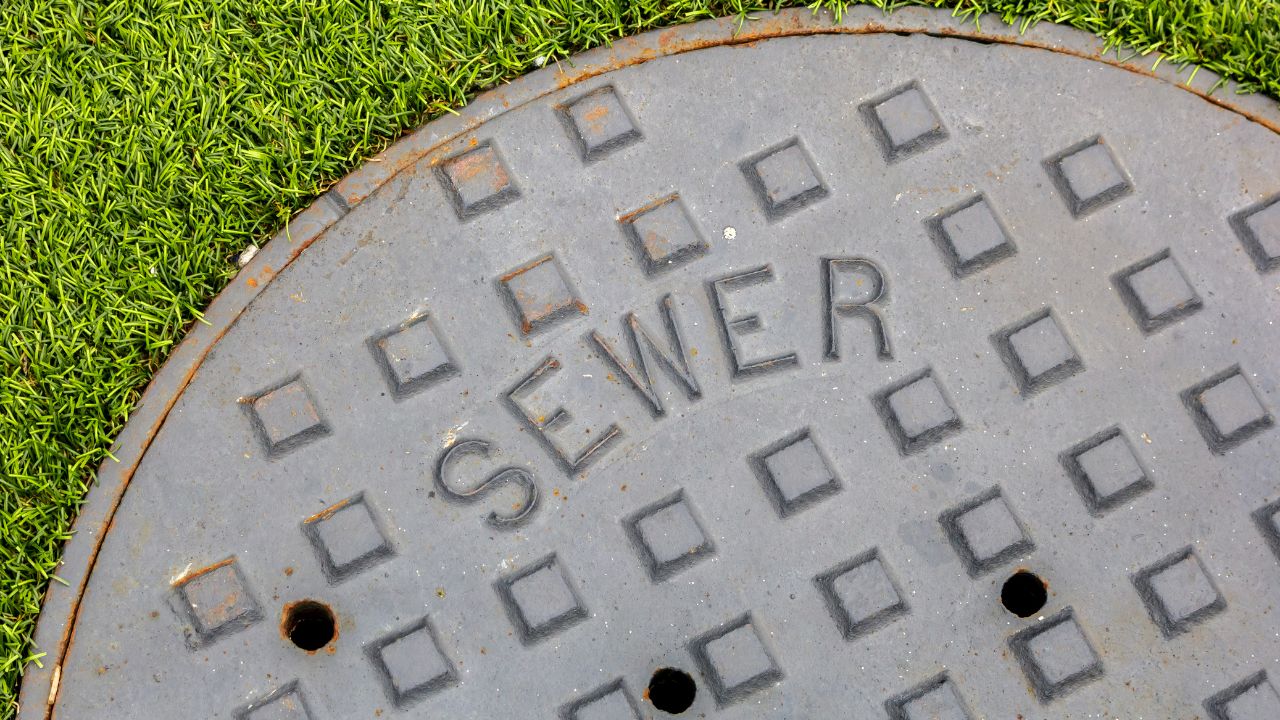
Responsible property owners are acutely aware of the need to carry out regular maintenance to keep everything safe and habitable, so that everyday life is enjoyable without any worries. Part of that process is being able to understand how drainage works, which is important, as many confuse sewer drainage with stormwater drainage, when they serve very different purposes.
Stormwater drainage collects rainwater from roofs, driveways, and streets, with the water flowing through gutters and street drains before it is discharged into local waterways such as rivers, creeks, or the ocean, often without treatment. A sewer drain, on the other hand, carries wastewater from inside the home, such as from toilets, sinks, showers, and washing machines, to a treatment facility.
Just so that there is no confusion, a sewer drainage carries wastewater only. Because this water contains contaminants from a toilet or an emptied sink, it must be transported to a treatment plant rather than released into the environment. Each home and property has a main sewer line, with all internal wastewater pipes connecting to one main sewer pipe, which runs underground from a building to the public sewer connection point. If this main line becomes blocked, multiple fixtures in the home can be affected at once, which requires the immediate attention of a professional plumber with experience and who has the right tools and equipment to make appropriate repairs. The clever thing going on below ground that most people are unaware of is that gravity is doing most of the work, as sewer systems are designed on a slight slope, so wastewater flows downhill naturally.
It’s wise to check out the plans of the sewer line when carrying out certain backyard makeovers to ensure that no damage is caused. Some properties, often those below street level, may require pump systems to move waste upward into the main sewer network. Sewer pipes include vent pipes, allowing sewer gases to escape safely and maintain proper air pressure in the system. Without the proper venting, drains may gurgle or empty slowly, which, if not dealt with, can lead to expensive issues to put right. Wipes, paper towels, sanitary products, and grease can cause serious blockages in household pipes and public sewer systems, which is why only human waste and toilet paper should be flushed in toilets.
Anyone unsure can refer to authoritative advice regarding preventing sewerage blockages. Tree roots are a common hazard when it comes to sewer drains, as they can cause pipes to crack over time. This is because the roots are naturally drawn to moisture, entering small pipe cracks, and eventually causing major obstructions that require professional repair. Something useful to know is that every sink, shower, and toilet has a trap, which is the curved pipe section underneath, that holds a small amount of water. preventing sewer gases and odours from entering the home.
Property owners are advised to know the difference between sewer and stormwater drainage and their functions, while always calling out a plumber if an issue is suspected.