

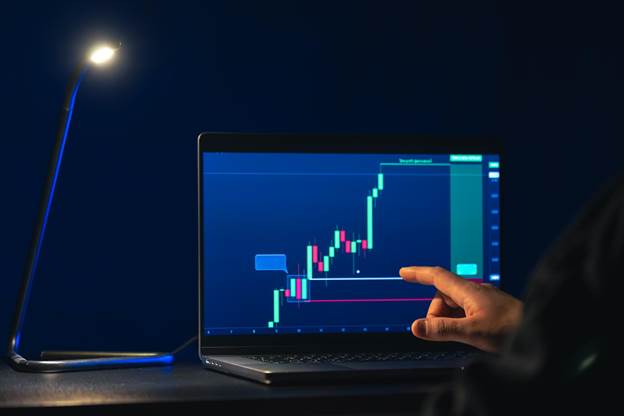
Trading is more than just reading charts and analyzing patterns. It’s a mental battlefield, and let’s just say, only the most resilient ones survive.
If you’ve ever sat frozen in front of the screen second-guessing whether to buy or sell, you know what we’re talking about. Being mentally prepared is just as important as having the right setup.
Not sure where to begin? This guide will offer clarity. Here’s why mental preparation matters before every trade and how you can ensure success:
Common Mind Traps and How They Affect Trading Decisions
First things first, let’s look at some common mind traps traders fall into:
Fear of Missing Out (FOMO)
Almost every trader experiences fear, greed, jealousy, and impatience. That’s just how the psychology of trading works. But when a trader’s actions begin to get influenced by these factors, things can go sideways.
Traders experience fear of missing out (FOMO) and end up chasing tops or buying into pullbacks that turn into full reversals. FOMO is especially driven by social media hype or fast-moving markets.
Fear of Loss
Imagine this: You’ve placed a trade, but instead of letting it play out, you bail out upon seeing a speck of red. This is the fear of loss at work. It forces you to bail out of winning trades simply because you’re not confident in your strategy.
We agree — losses feel about twice as intense as gains. But you have to be patient.
Revenge Trading
So you made some trades, and they didn’t work out. Do you take a break to understand what went wrong? Or do you tell yourself you’ll “earn it back”? Many traders do the latter. This is revenge trading, and it’s incredibly dangerous.
When traders go down this path, they are almost never following their predetermined setup. The result? You’re two trades deep and further behind.
Tips to Mentally Prepare Yourself
One thing is clear: Mental preparation matters. Because if you trade without planning, things can go sideways. Now the question is how. Here are some best practices you can take to mentally prepare yourself before every trade:
Set realistic goals
Trading isn’t a get-rich-quick scheme. Even the most experienced traders lose money. This is why it’s important to set realistic goals. Set both short-term and long-term goals, and track your progress.
Develop a routine
Successful trading requires discipline. The first step is to develop a routine. For instance, you can block certain hours each day or perform specific pre-trade rituals. Moreover, a routine can help stabilize your emotions and prepare your mind for the day’s challenges.
Track more than just trades
Keeping a trading journal is one of the best ways to stay mentally prepared. Note down when you entered a trade, why, and how you felt during the trade.
Detach from outcomes
Fixating on the outcome can be dangerous. It’s important to shift focus from making money to executing your process well. This reduces pressure and keeps you focused on the long-term game.
Conclusion
Mental preparation is the foundation of consistent, confident trading. When you understand the psychology of trading and recognize the mind traps that influence your decisions, you give yourself the power to act with clarity instead of emotion. Preparing your mind before each trade helps you stay focused on your process, stick to your routine, and avoid impulsive reactions that can derail your progress. By setting realistic goals, tracking your thoughts and behaviors, and detaching from short‑term outcomes, you create the mental stability needed to navigate the markets with discipline. Over time, this preparation becomes your greatest edge, allowing you to trade with intention, confidence, and long‑term success.