

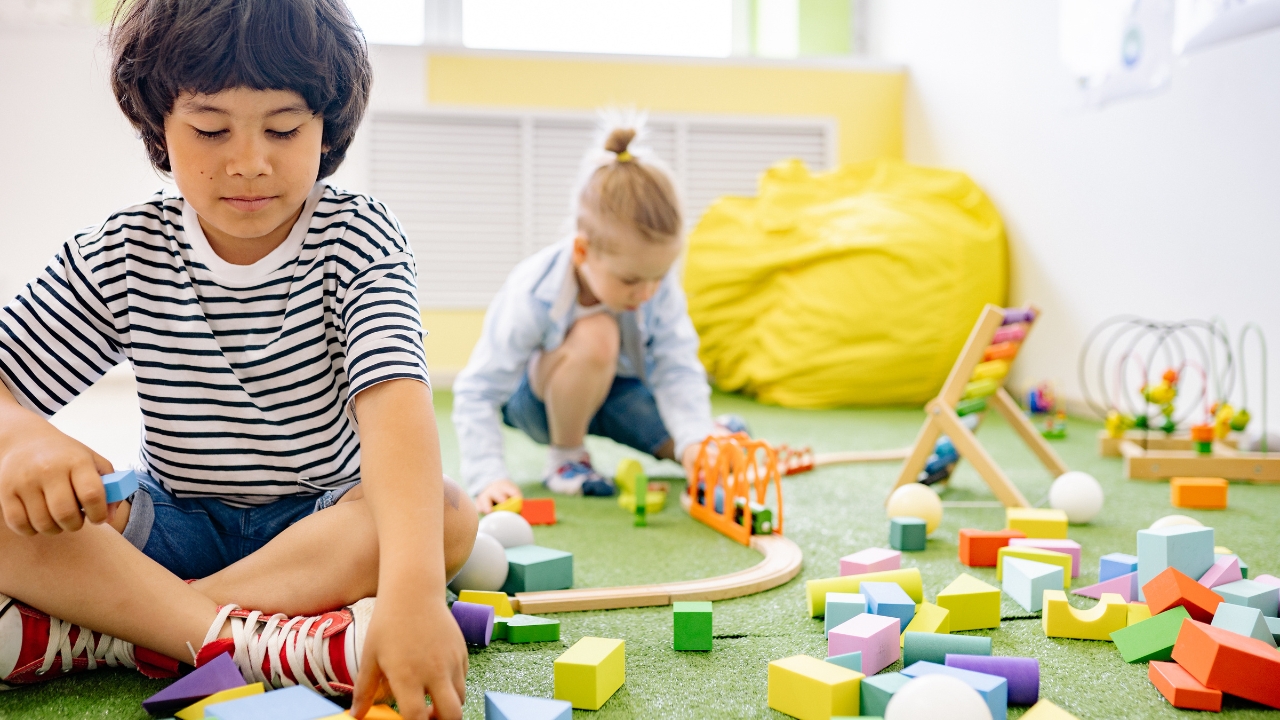
In a world that often rushes toward academic milestones, many parents feel immense pressure to start formal education as early as possible. To a passing observer, a room full of toddlers building blocks, squishing playdough, and pretending to run a busy cafe looks like pure chaos. However, beneath the noise and the colourful mess, incredible neurological development is taking place. For young minds, play is not a break from learning. Play is learning. As modern parents, we are always looking for ways to weave a little magic into our families’ everyday lives while setting our children up for future success. Understanding the hidden curriculum of play-based learning is one of the most empowering discoveries a parent can make.
The Science Behind Unstructured Play
When children engage in self-directed play, they are secretly building complex cognitive architecture. Academic research consistently highlights that stepping back and allowing children to explore at their own pace yields significant long-term academic benefits. While they may just look like they are having fun, early education research on supporting children’s learning through play shows it has a remarkably positive effect on mathematical and spatial skills, laying a critical foundation for later STEM education.
A major study from the University of Cambridge found that a play-first curriculum actively builds vital academic abilities, including shape knowledge and task switching. The researchers noted that children engaged in guided play were better able to master spatial vocabulary and understand complex problem-solving scenarios compared to those in traditional, direct-instruction settings. Instead of rote memorisation, children learn to solve problems dynamically. When a child tries to balance a wobbly tower of wooden blocks, they are experimenting with gravity, geometry, and structural engineering. When the tower inevitably falls, they are learning resilience and emotional regulation.
Fostering Play-Based Growth in Your Own Home
You do not need an extensive collection of expensive educational toys to nurture this kind of holistic development. The most effective learning happens organically when parents bridge the gap between structured learning environments and their daily home routines. Whether you are discovering how kids’ toys shape play, learning, and everyday life for building cognitive skills or simply trying to sneak a bit of education into afternoon playtime, children naturally crave connection. You can easily support their growth by turning mundane moments into playful learning opportunities.
Parents can seamlessly complement early education by integrating fun activities into their everyday schedules. These tasks promote physical and cognitive growth without ever feeling like a chore. Consider incorporating these simple, play-based activities into your week:
- Sensory Bins: Filling a tub with dry rice, beans, or water and providing scoops allows children to practice fine motor dexterity and early mathematical measurement.
- Living Room Obstacle Courses: Using couch cushions and rolled-up rugs encourages children to navigate space, building core strength and gross motor coordination.
- Dramatic Role-Play: Setting up a pretend grocery store or post office helps toddlers develop a rich vocabulary and understand complex social dynamics.
- Creative Arts: Allowing children to freely manipulate playdough, use safety scissors, or finger paint strengthens the tiny hand muscles required for future handwriting and independent dressing.
Choosing a Centre That Champions Holistic Learning
As your child grows, finding an early learning environment that mirrors your family values becomes a top priority. The transition from the family home to a formal setting is a major milestone, and parents want assurance that their child’s natural curiosity will be nurtured. It is vital to look for educators who understand that a warm, love-first approach is the true foundation of genuine educational engagement.
When evaluating local options, look for centres that prioritise small group sizes and unstructured discovery. For example, parents researching child care in Blacktown will find that the most highly regarded environments operate like a home away from home, ensuring a gentle transition. These facilities seamlessly blend a loving atmosphere with a robust play-based framework. Furthermore, a strong play-based curriculum encourages peer-to-peer negotiation. As toddlers and preschoolers interact during free play, they learn how to share resources, take turns, and resolve conflicts organically, which are essential social skills for school readiness. Quality educators act as gentle guides in these settings rather than strict directors. They observe a child’s current interests (whether that is dinosaurs, building towering block cities, or exploring nature) and provide the open-ended materials needed to expand that interest into a deep, meaningful learning experience.
Embracing the Mess and the Magic
At the end of the day, raising a happy, well-adjusted child does not require flashcards or rigorous academic drilling in the early years. It requires time, space, and the freedom to explore. By understanding the deep value of play, parents can let go of the pressure to formally teach and instead focus on facilitating joy and curiosity. Encouraging a natural love for learning at a young age builds lifelong confidence.
The next time you find yourself surrounded by scattered puzzle pieces, toy cars, and an overly imaginative game of pretend, take a moment to appreciate the magic unfolding. Your child is not just playing. They are busy building the cognitive, social, and emotional foundation they need to thrive in the modern world.