

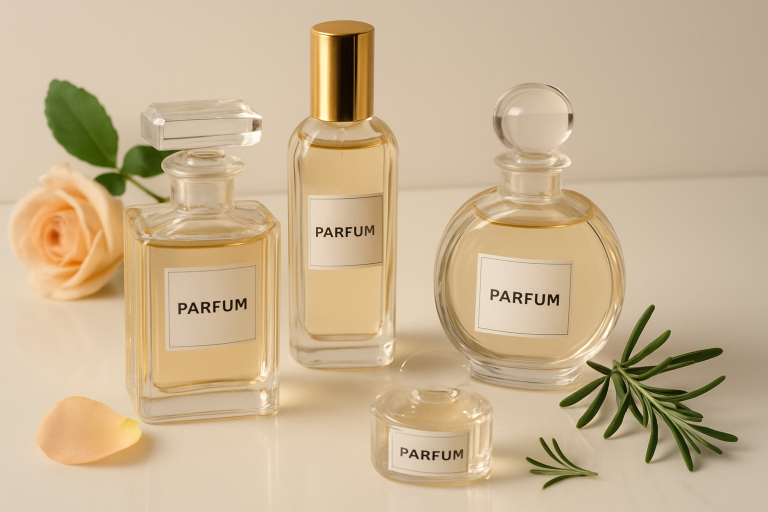
Throughout history, scent has been an integral part of human culture. The journey of perfume traces back to ancient civilizations, where both the allure and meaning of fragrance have deep roots. The Egyptians esteemed aromatic oils not only for daily adornment but also for religious rites and burial rituals, making perfumes an integral part of their definition of beauty and holiness. Early explorers of scent believed different luxury fragrances could connect them with gods, elevate spiritual experiences, and promote well-being.
Across the Mediterranean, Greek and Roman societies embraced perfume for its luxurious appeal, using it in festivities and ceremonies and as a mark of status. The evolution from simple natural extracts to more complex blends marked the beginning of an art form now celebrated in today’s world of luxury fragrances. Over time, this transformation mirrored cultural shifts, where perfume became a symbol of refinement, indulgence, and personal expression.
Renaissance and the Birth of Modern Perfumery
The Renaissance era was a turning point for perfume, as alchemical discoveries in distillation unlocked new possibilities in scent creation. The ability to separate and preserve essential oils led to the burgeoning of professional perfumers across Italy, France, and beyond. French nobility, in particular, were enamored with personal fragrance, integrating it into fashion and daily life. The coastal town of Grasse, France, emerged as the epicenter of European perfumery, a distinction it retains to this day as the heart of artisanal fragrance production.
Perfume became a means of expression and sophistication among the elite, often accompanying ornate costumes and elaborate beauty regimens. European courts championed the artistry and innovation of their court perfumers, with new scents denoting status and originality. This period solidified the relationship between fragrance, luxury, and identity, a legacy that continues to define modern perfumery.
Iconic Fragrances That Define Luxury
Legendary perfumes transcend fashion and carry a legacy of elegance. Chanel No. 5, created in 1921, ushered in a new era with its abstract blend of florals and aldehydes, breaking conventions with its complexity and sophistication. Coco Chanel’s insistence on an unconventional yet universally flattering scent set a precedent for modern perfumery and continues to captivate wearers today.
In a similar vein, Guerlain’s Shalimar, launched in 1925, blended exotic notes of vanilla, incense, and iris. Inspired by tales of romance and adventure, Shalimar remains an icon of sensuality and opulence. These perfumes have become touchstones in the fragrance industry, influencing perfumers worldwide and embodying the very essence of luxury.
Contemporary Trends in Luxury Perfume
Luxury fragrances today reflect a seamless fusion of heritage and innovation. Niche perfume houses are breaking conventional molds, offering exclusive scents that cater to individuality and personal taste. This drive for uniqueness encourages creative risk-taking and the use of rare, unexpected ingredients.
The growing emphasis on sustainability now shapes how luxury perfumes are crafted and packaged. Many brands are making commitments to ethically source ingredients and develop reusable or biodegradable packaging. These initiatives respond to a broader consumer demand for environmental stewardship and substance behind the beauty.
The Art of Perfumery: Crafting a Masterpiece
Creating a luxury perfume is both a science and an art form. Expert perfumers, known as “noses,” train for years to develop their olfactory skills and creative instincts. Each fragrance is crafted by carefully combining top, heart, and base notes, the layers that give a scent depth and evolve.
Top notes form the initial impression, heart notes reveal the fragrance’s true character, and base notes provide longevity and richness. Achieving harmony among these elements requires exceptional skill and intuition, distinguishing luxury perfumes from mass-market fragrances. The meticulous process honors centuries-old traditions while embracing technological advancements to achieve consistently exquisite results.
Choosing Your Signature Scent
Selecting a fragrance is a profoundly personal adventure, as every skin chemistry interacts differently with scent. Consider factors such as your lifestyle, wardrobe, and the emotions you hope your fragrance will evoke. Exploring the structure of perfumes, florals, orientals, woods, or fresh notes can help guide your preferences.
Sampling and wearing different perfumes throughout your daily routine helps you understand how scents evolve and interact with your body chemistry. Visiting a perfumery or exploring brands known for their curated approach to individuality can open a world of possibilities.
Caring for Your Fragrance Collection
Proper care of your perfume collection preserves its quality and lifespan. Store bottles upright in a cool, dry environment, shielded from direct sunlight, heat, and humidity. Keeping fragrances in their original packaging or a closed cabinet limits exposure to air and light, both of which can degrade delicate notes.
Rotate your favorites seasonally to maintain freshness and avoid frequent exposure to temperature changes. Following simple routines will maintain the potency and character of fragrances in your collection for years to come.
Final Thoughts
The timeless appeal of luxury perfume lies in its ability to evoke memories, stir emotion, and express individuality. From ancient rites to contemporary innovations, perfume continues to mesmerize and enchant. Embracing the artistry, craft, and heritage of perfume allows us to experience life’s moments with heightened sensuality and enduring elegance.