

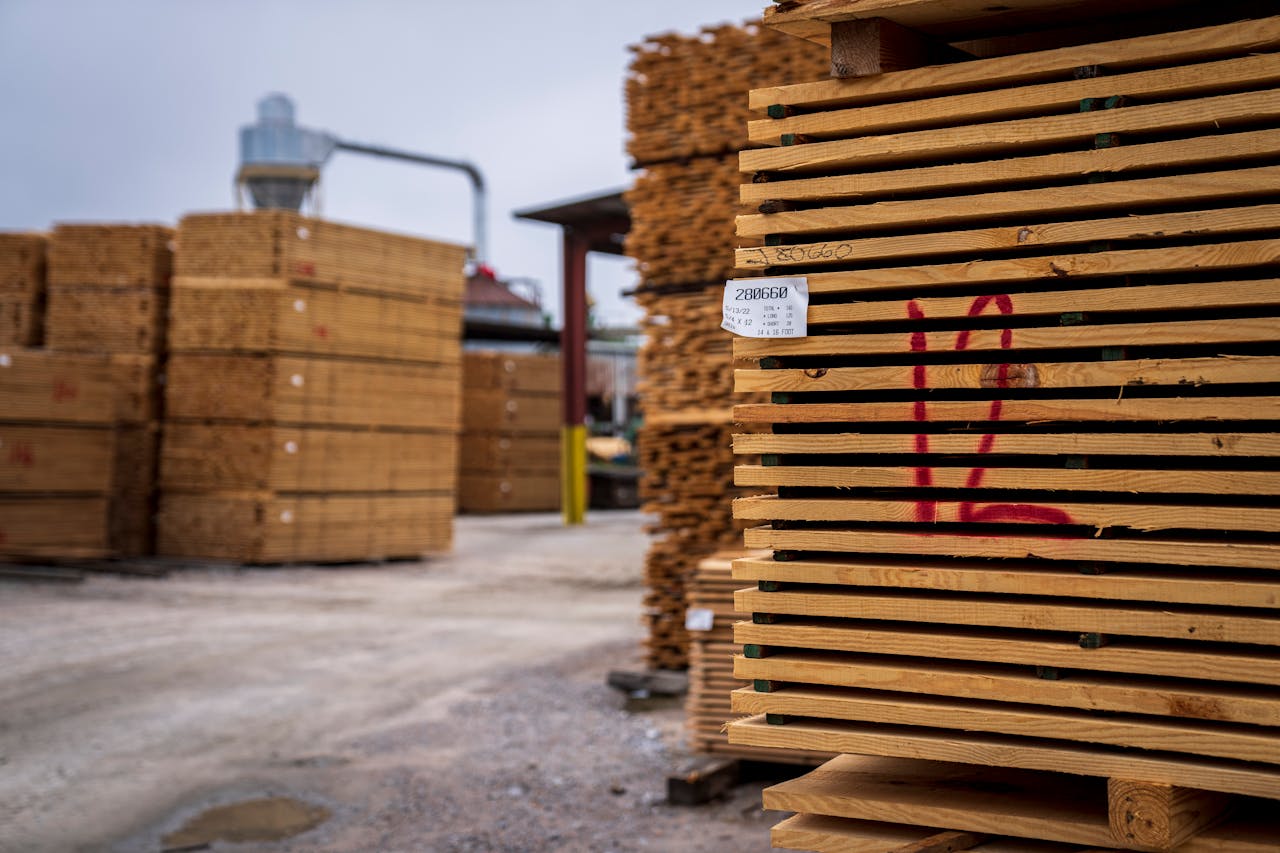
Hardwood timber is one of the most impactful ways you can upgrade your home decor. It instantly adds warmth, character, style, and value.
The problem…
Not all hardwood timber works for every home. And choosing the wrong species can make your home feel cluttered and mismatched.
But it doesn’t have to be this way.
By learning which hardwood timber species work best for different home styles, you can make smarter choices that you’ll thank yourself for years down the road.
In this article:
- Why Hardwood Timber Matters For Home Decor
- Matching Hardwood To Different Home Styles
- Key Factors When Selecting Timber
- How To Choose A Quality Supplier
Why Hardwood Timber Makes A Difference
Hardwood timber isn’t just your flooring. It’s the base on which you make every other design decision in a room.
Here are two big reasons why it matters:
The global hardwood flooring market hit $53.35 billion USD in 2024 and is expected to grow year-over-year. Homeowners continue to invest in durable, timeless materials that make their spaces beautiful and inviting.
While many factors go into choosing the perfect hardwood timber flooring for your home decor, working with a quality hardwood timber supplier like Border Hardwood is a big part of that success. Reputable suppliers source, sort, and grade their hardwood timber to ensure optimal performance. Cheap Chinese hardwood is often low-quality with warping, tone inconsistencies, and installation problems.
You want flooring that will last a lifetime.
A quality hardwood floor can easily last over 100 years with proper care. Cheaper alternatives may only last 10-15 years before needing replacement. That makes the price difference worth it.
Matching Hardwood To Different Home Styles
Not all hardwood timber is right for every interior. Matching the right species to the home style is critical for a cohesive, luxurious space.
Here’s a breakdown of popular hardwood species for different home styles.
Modern & Contemporary Homes
As you may have guessed, modern and contemporary homes have a very specific look.
Minimalism, open floor plans, lighter colours, and natural lighting are key. So when it comes to wood floors, that translates to…
White Oak, Maple, and Ash hardwood.
White oak is currently the most popular hardwood timber flooring option in North America. And for good reason. Its light tone and seamless grain pattern help create the bright and airy feel modern interiors crave. Plus white oak accepts light stains well.
Maple hardwood has a tight, uniform grain pattern. It’s commonly used for sleek, modern kitchens.
Lastly, ash hardwood is another great light hardwood option. It has similar light undertones and grain pattern as white oak.
One last quick note we saw from the National Wood Flooring Association is that homeowners are shifting their style from grey-washed everything to warm, natural wood tones. Nearly two-thirds of NAWF members expect lighter wood flooring demand to increase in 2025.
Modern hardwood floors also tend to use wider planks. Wide plank wood floors create larger rooms with fewer visual distractions.
Traditional & Classic Homes
Traditional homes feature different design elements than modern spaces.
There’s usually more wood work, moulding, antique furniture, etc. To complement those details, you’ll want warm, richer hardwood tones with deep grain patterns.
Walnut, Cherry, and Red Oak are ideal choices.
Walnut timber has been grown and sold for centuries for a reason. Its rich, dark brown tones instantly add sophistication and elegance to any room.
Cherry hardwood has a lighter reddish-brown tone that matures over time. Many homeowners love watching the patina develop year after year.
American made red oak is another timeless staple you’ll find in hundreds of traditional homes. Its visible grain pattern and warm brown tones work well with reclaimed wood furniture.
For traditional homes, medium or even narrow planks can work well as they imitate the look and feel of classic hardwood floors.
Rustic & Farmhouse Homes
Whether you have a full-on farmhouse or just want to embrace some rustic trends, there are unique opportunities with hardwood flooring.
As you probably know, farmhouse style is all about natural textures and materials.
The best hardwood choices for farmhouse homes are reclaimed wood, hickory, and distressed oak.
When you use reclaimed wood in your home, you’re bringing in some history. Every knot, ding, and scratch has a story that can’t be replicated in new wood.
Hickory hardwood is one of the HARDEST domestic hardwoods in North America. And that rugged durability makes it perfect for busy kitchens.
Distressed oak floors have floors that have been scuffed up by hand tools to hide the wear and tear of everyday life.
Rustic floors often use wider planks like modern homes. However, rustic floors can often get away with more natural finishes. A matte or satin sheen hides scratches better and feels more authentic.
Key Factors When Selecting Hardwood Timber
Pairing the right hardwood timber species to your home decor is important, but there are other things to consider.
Wood hardness: How long will your floors last? The Janka hardness test ranks how susceptible wood is to dents and wear. High-traffic spaces like kitchens should use harder woods. Hallways, bedrooms, and formal living rooms can get away with softer woods.
Climate: Where will your hardwood be installed? Solid hardwood doesn’t react well to changes in humidity. Basements, kitchens, and humidity prone areas benefit from engineered hardwood floors.
Maintenance: Do you like the look of scratched hardwood floors? While it’s inevitable your floors will get damaged over time, some wood species hide imperfections better than others.
Sustainability: Where does your timber come from? Ensure your supplier only sources responsible, sustainable wood.
How To Choose A Quality Supplier
This one should come as no surprise. Not all hardwood timber suppliers go about their business the same way.
Here are a few things to look for when shopping around.
Proper grading/sorting. Quality suppliers sort and grade their hardwood timber so you know what you’re getting.
Responsibly sourced materials. Can your supplier tell you where your wood comes from? Reputable suppliers should be able to trace back to the exact forest it was sourced from.
Knowledgeable staff. Your supplier shouldn’t push you into buying the most expensive wood species. They should understand your project and make recommendations based on your goals.
Enough stock. Has your supplier ever run out of that perfect shade of wood you were going to purchase? Scumbags. Don’t use suppliers who can’t keep adequate stock.
The Bottom Line
Hardwood timber flooring makes your space feel like a home. There’s no better feeling than walking on wood floors you picked out yourself.
Just remember what timber species work with your decor. As a bonus, consider each hardwood’s hardness, your climate, and how much you’ll have to maintain your floors.
To summarize:
- Match hardwood timber species to your home’s style
- Consider wood hardness before purchasing
- Buy engineered hardwood for difficult climates
- Work with hardwood suppliers who’ve been around for decades.