

Picking a sofa for a rental property is a whole different game compared to furnishing your own place. Tenants or guests are going to put it through a lot, so it needs to last, look decent, and not break the bank.
Your choice impacts not just what you spend upfront, but also how much time and money you’ll pour into maintenance later. It’s a balancing act, for sure.
The right sofa for your rental property combines a sturdy frame, resilient fabrics, and timeless design that appeals to a wide range of guests. This guide dives into specific sofas at various price points and breaks down what really matters for rental furniture.
You’ll get a sense of which features help a sofa last and where it’s okay to compromise, depending on your situation.
1) The London by DreamSofa
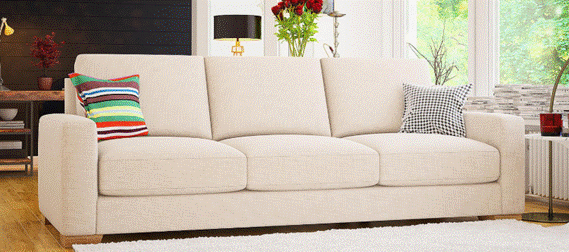
The London by DreamSofa hits a sweet spot – modern looks, but it doesn’t skimp on durability or comfort. Those clean lines and squared edges? They fit just about any rental vibe.
The low-profile base and plush cushions are built for everyday use. A slightly reclined back and angled cushions add a bit of comfort for longer stays, but it still looks sharp.
Customization is a big plus. There are over 1,500 fabric options, including performance fabrics that hold up to heavy use. You can tweak the size too, so it fits your rental’s layout perfectly.
Maintenance is pretty straightforward. Removable cushions mean you can rotate them, which helps them last longer. Regular vacuuming and a quick spot clean keep it looking presentable between tenants.
The London’s neutral style makes staging a breeze and works for a mix of tenant tastes. It’s not flashy, but that’s often a good thing in rentals.
2) LIFE SKY 100″ Gray Fabric Sectional Sofa
The LIFE SKY modular sectional is all about practicality. You can reconfigure the setup to fit different rooms or just shake things up for new tenants.
It comes with storage compartments and a reversible chaise, adding flexibility. The solid hardwood frame handles up to 300 lbs per seat, so it’s tough enough for rentals. Foam cushioning and fabric upholstery keep things comfortable but still durable.
Assembly isn’t a hassle, which is a relief if you’re furnishing more than one unit. The compact design fits well in apartments where every inch counts.
Light gray corduroy or terry fabrics do a better job hiding wear than darker shades, and they keep things looking neutral. Some versions even include a cupholder console and throw pillows, which is a nice touch.
Modular pieces let you add or remove sections as needed. Built-in storage helps tenants keep things tidy, which, honestly, helps you in the long run too.
The price is reasonable, making it a solid pick if you’re outfitting several places but still want decent quality.
3) High-quality full-grain leather sofa with sinuous spring suspension
Full-grain leather sofas with sinuous spring suspension are tough as nails. Full-grain leather is top-tier – it resists wear, and over time, it just gets more character.
Sinuous springs use S-shaped coils to support the seat from front to back. This setup keeps the sofa comfy and helps it keep its shape, even after years of use. Pair that with high-density foam cushions, and you’ve got a seat that’s firm but still comfortable.
Most of these sofas have kiln-dried hardwood frames, so they won’t warp or crack easily. The construction is solid, and joints stay tight. Some models even have removable leather covers, which makes cleaning between tenants a lot easier.
Leather is naturally good at repelling spills – just wipe it down, and you’re set. It actually gets stronger with age, so it’s a smart pick for high-turnover rentals. You’ll get more mileage out of one of these than cheaper alternatives, with less maintenance along the way.
Key Considerations for Rental Property Sofas
Choosing a sofa for a rental means weighing tenant comfort against protecting your investment. The frame, fabric, and how easy it is to clean all play a role in how long it’ll last before you’re shopping again.
Durability and Materials
The frame is the backbone. Kiln-dried oak, maple, or beech stand up to heavy use, while pine and other softwoods just don’t hold up as well.
Metal reinforcements at stress points add years to a frame’s life. Corner blocks should be glued and screwed, not just stapled. Eight-way hand-tied springs are the gold standard, but sinuous springs are a solid, more affordable option.
Cushion fill makes a difference too. High-density foam (1.8 lbs per cubic foot or more) keeps its shape. Foam cores wrapped in fiber batting strike a nice balance between support and comfort.
Upholstery has to handle daily abuse. Look for performance fabrics rated above 30,000 double rubs. Crypton, Sunbrella, and Revolution fabrics are standouts for stain and fade resistance.
Ease of Maintenance
Removable, washable covers are a lifesaver during turnovers. Zippered slipcovers let you toss them in the wash or send them out for cleaning – no need to move the whole sofa.
Stain-resistant treatments are worth it. They buy tenants a few minutes to clean up spills before they set in. That’s huge if kids or pets are involved.
Darker or patterned fabrics hide stains and wear better than light solids. Textured weaves are great for camouflaging dirt between deep cleans. Grays, navy, and charcoal are pretty forgiving colors for rentals.
Leather and faux leather are easy to wipe down. Steer clear of bonded leather – it peels and cracks fast. Full-grain or top-grain leather lasts, but it’s pricey. Quality polyurethane alternatives give you most of the benefits for less.
Style Versatility
Keep it neutral. Simple shapes and colors appeal to more tenants and don’t go out of style as quickly. Bold patterns or odd shapes can turn people off.
Size matters too. Standard sofas (84-90 inches) are too big for many apartments. Apartment-sized ones (72-76 inches) fit better and still offer enough seating. Always measure your doors and hallways first – moving a sofa in shouldn’t be a nightmare.
Modular sectionals are handy. You can rearrange or replace pieces if one gets damaged, which saves money over time.
Safety and Compliance
Fire safety rules apply to rental furniture. California Technical Bulletin 117-2013 is the main standard – make sure your sofas comply and keep the paperwork handy.
Check the weight capacity – 250-300 lbs per seat is standard for commercial-grade sofas. Don’t just guess; look at the specs.
Legs should be sturdy, and the sofa shouldn’t tip when someone leans on the arm. Avoid hardware or corners that could cause injuries. Liability is the last thing you want.
Maximizing Value and Longevity
A few smart add-ons and habits can help your sofas last longer and keep your rental looking good, even after a lot of turnover.
Protective Measures
Fabric protectors like Scotchgard create an invisible barrier against spills. Reapply every six months to keep it working. It gives tenants a little extra time to clean up messes before they become permanent.
Armrest covers and throw blankets help protect the spots that get the most contact. Pick ones that match the sofa so they look intentional, not like an afterthought.
Essential protective additions:
- Furniture coasters under the legs prevent floor scratches
- Corner guards for sofas near walls
- Anti-slip pads to stop the sofa from sliding
- Pet-friendly throws if you allow animals
Take photos of the sofa’s condition at move-in and move-out – close-ups of seams, cushions, and fabric. It’ll help if you ever need to sort out damage versus normal wear when returning deposits.
Warranty and Support Options
Manufacturer warranties usually cover frame defects for somewhere between 5 to 10 years. Cushion integrity is typically covered for only 2 or 3 years.
Read those warranty terms closely. A lot of them exclude commercial or rental use, which could leave you totally unprotected if you miss the fine print.
Some companies do offer extended warranties for rentals, and honestly, sometimes that extra cost is worth it – especially if you’re worried about heavy use.
Buy from retailers who make it easy to get replacement parts. Sooner or later, you’ll need new cushions, legs, or covers.
Double-check that the manufacturer actually keeps these parts in stock. Glance at their pricing too, just to avoid sticker shock down the road.
Some brands stop making certain styles after just a couple years. That can make repairs a real headache, or even impossible.
Service plans from furniture stores sometimes throw in professional cleaning or minor repairs. Think about whether those annual fees really save you hassle, or if you’d rather just hire a cleaner when you need one.