

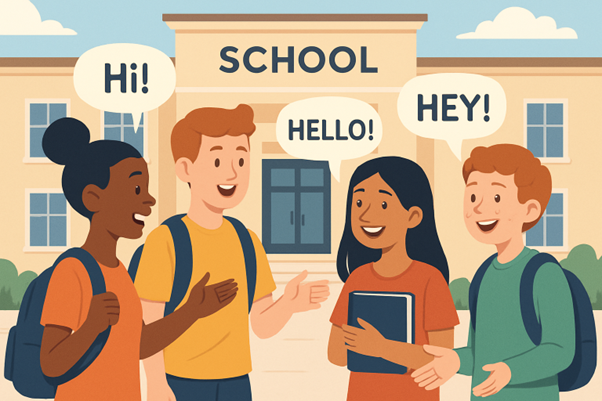
Today’s high schools face increasing competition for student enrollment as families have more educational options than ever before. Success in student recruitment is no longer a matter of happenstance but instead requires thoughtful, tailored strategies that resonate with both students and their families. The foundation of any thriving high school community is a steady influx of engaged, enthusiastic students, making it essential for schools to adopt innovative recruitment approaches. One proven method is leveraging targeted outreach to guidance professionals, as detailed by High School Counselor Outreach, which can connect schools to prospective students through trusted advisors.
To stay ahead, high schools should recognize the need for a multifaceted recruitment plan that balances digital innovation with personal engagement. By aligning recruitment efforts with students’ preferences, whether through technology, personalized communication, or partnerships, schools can attract candidates who are the right fit and foster long-lasting educational relationships. Digital marketing, social media, and involving the student community as ambassadors all serve as key pillars of modern recruitment. Equally, partnerships with local community organizations can offer unique opportunities and demonstrate a commitment to more than just academics.
Virtual experiences and data-driven outreach are also playing an increasingly central role as students research schools online before making any in-person visits. The goal is not only to inform but also to inspire. Students and families should feel welcomed and valued from their very first contact with the school.
Leveraging Digital Marketing
Maintaining a compelling digital presence is fundamental for high schools hoping to reach a broader and more diverse pool of prospective students. A robust digital strategy includes investing in search engine optimization (SEO) so that the school’s website appears at the top of search results. Pay-per-click (PPC) campaigns can extend the school’s reach and connect with families actively searching for educational options. Well-executed content marketing, like blogs and email campaigns, provides a steady flow of information, answering common questions and highlighting unique school attributes. Live online events and webinars now serve as leading recruitment tools, helping students who might be unable to visit in person connect virtually with staff and current students. In fact, the rise of remote engagement was highlighted by The New York Times, emphasizing that high school search is increasingly digital-centric.
Engaging Student Ambassadors
No one understands the value of your school like its current students and alumni. Student-led tours, Q&A sessions, and social media takeovers allow prospective students to connect peer-to-peer and get honest insights into school life. This approach builds trust quickly, as testimonials and stories from students feel genuine and relatable. Alumni can also be a powerful resource, sharing success stories that demonstrate the lasting impact of a school’s education. Schools that formalize these ambassador roles through school clubs or leadership programs can create a continuous pipeline of enthusiastic spokespeople, amplifying their message and reach.
Building Community Partnerships
High schools with strong connections to local nonprofits, businesses, and government agencies often stand out to families searching for more than just classroom instruction. Partnerships can include guest speakers from local industries, mentorship programs, and even internship opportunities for upperclassmen. These collaborations give students access to real-world learning experiences, help prepare them for future careers, and enhance a school’s reputation within the community. According to Education Week, schools that actively foster such external relationships can demonstrate relevance and commitment to holistic student development.
Offering Virtual Tours
With families often unable to travel for open houses, virtual campus tours have become an essential tool in school recruitment. High-quality video walkthroughs, 360-degree images, and interactive maps allow students to explore the facilities, classrooms, extracurricular spaces, and athletic venues from anywhere. Live virtual information sessions can answer frequently asked questions and address unique family concerns, building a level of comfort long before students ever arrive on campus. Virtual experiences also help international or out-of-area students feel connected, broadening the school’s appeal.
Personalizing Communication
Families are inundated with marketing messages, making it vital for high schools to connect personally and meaningfully. Collecting information about students’ interests allows schools to send targeted emails, invite prospects to relevant events, and answer individual questions. Personalized communication demonstrates that the school values each prospective student and is committed to supporting their unique educational journey. Following up shortly after initial contact and checking in during key decision-making periods can make a significant difference in a student’s final choice.
Implementing Data-Driven Strategies
With the right technology, high schools now have access to powerful analytics tools that identify trends and optimize recruitment tactics. Predictive analytics can help schools understand which outreach efforts are most successful, identify promising candidates early, and spot potential gaps in the recruitment funnel. Data also helps admissions teams personalize communication based on demonstrated interests or engagement behaviors. Adjusting strategies in real time based on concrete results can lead to more efficient and effective recruitment campaigns.
Enhancing Social Media Engagement
Social media is one of the most direct ways to interact with prospective students and families. High schools should maintain active profiles on popular platforms like Instagram, Facebook, TikTok, and YouTube, where Gen Z and millennial parents spend significant time. Posting stories of student achievements, behind-the-scenes campus life, and live event coverage offers a glimpse into the real school experience. Encouraging students to contribute content or participate in live takeovers turns social media into a two-way engagement tool, creating authentic, relatable, and dynamic outreach opportunities.
Conclusion
Effective student recruitment strategies require a thoughtful mix of digital innovation and personal touch. By combining robust online marketing, student-driven storytelling, strategic partnerships, and data-backed communication, high schools can successfully attract and retain students who are the right fit for their community. Adapting to the evolving expectations of families ensures that recruitment efforts remain impactful and future-focused, allowing schools to build thriving, engaged student bodies year after year.