

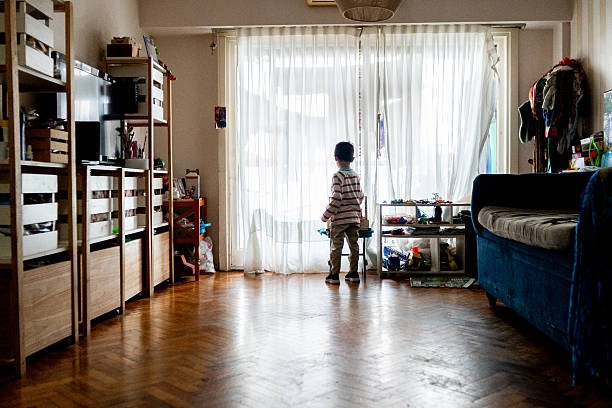
As much as staying home alone may be very exciting as a kid, there are certain responsibilities attached. Safety techniques help prevent accidents while also reassuring parents and guardians. These tips should be simple, clear, and easy to remember, covering everyday situations as well as unexpected emergencies. When children know exactly what to do and what to avoid, they are more likely to stay safe and feel confident while home alone.
Here are some simple safety tips to give your child to ensure that their time alone at home is safe and fun.
Door Safety Rules
As a child, you ought not to be allowed to open the door for anyone, unless it has been cleared by a parent in advance. This applies to:
- Friends
- Delivery personnel
- Repairmen
Doors have to remain locked at all times. If there’s a doorbell or a knock, don’t respond to it unless you’ve been told to expect that particular delivery or guest.
If someone’s been knocking or behaving weirdly, get to a safe spot and call a responsible grown-up. Also, refrain from informing anyone through the door that you are alone at home.
Kitchen Safety and Food Rules
The kitchen can be hazardous even for grown-ups in the house. Sandwiches prepared beforehand by a parent or guardian, fruits, or any other non-cooked food items would be the safest for kids. If there is a microwave, as a kid, you should only use it after being trained on how and what can be heated.
When staying home alone, please refrain from using the following:
- Stove
- Oven
- Sharp knives
- Boiling water
- Hot surfaces
- Burning flames
Also, cleaning agents and medications need to remain untouched.
Emergency Kits and Knowing When to Call for Help
An emergency kit should be a part of every household, and the children should be aware of where it’s stored. The kit should contain:
- Flashlight
- Extra batteries
- Small first-aid kit
- Bottled water
- Emergency phone numbers.
It isn’t enough to be able to dial a phone; you need to know when it is appropriate to ask for help and what information to give. Parents should explain situations that require calling emergency services, such as a fire, serious injury, break-in, or if the child feels unsafe.
Practice is everything. Parents should role-play various emergencies with children and walk them through what to say when calling. This includes first and last name, address, and the nature of the emergency.
Choosing Safe Spaces Inside the Home
A safe zone in a home is where kids can go if they are afraid. The area may be in a bedroom with a lock, a quiet and hidden corner of a room, or even a room nowhere near any windows or doors.
Always remain within the house and avoid dangerous zones like garages, cellars, or balconies. Also, refrain from getting on furniture or playing rough games when alone. It is important for there to be a phone in the safe zone for easy access.
Online and Digital Safety While Home Alone
Never post anything on social media or message a friend through chat features used in gaming, informing them that you are home alone. This can be accessed by people who may take advantage of the situation.
Location sharing must be off, and private information like addresses or schedules should never be shared online. A picture or video inside the house easily gives away information that might be harmful when it lands in the wrong hands.
Final Thoughts
Important safety facts for kids left home alone include:
- Keep all doors locked at all times and never open them for anyone.
- Avoid the use of the stove, oven, knife, or chemicals.
- Know where the emergency kit is located and how to call for help.
- Stick to safe zones and avoid dangerous parts of the house.
- Never post or share online that you are home alone.