

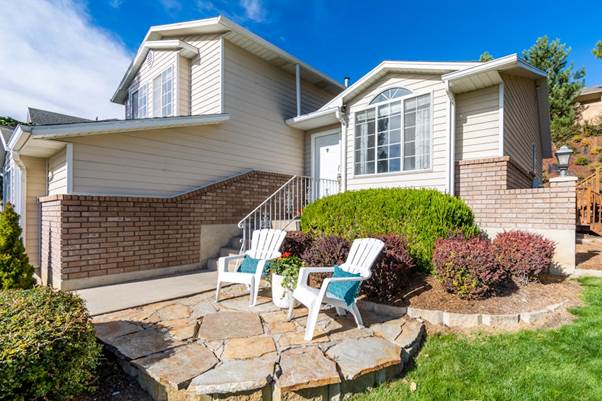
Your home is a significant investment. Protecting it starts with a well-maintained roof and exterior. These elements shield your property from the weather, enhance its beauty, and boost its value. Ignoring them can lead to expensive damage and safety issues.
In this comprehensive guide, we will share essential strategies for long-term roof and exterior care. We will help you recognize early signs of wear, understand how long different materials last, and manage everyday challenges. Our goal is to empower you with the knowledge needed to maintain your property’s value and structural integrity through preventive care.
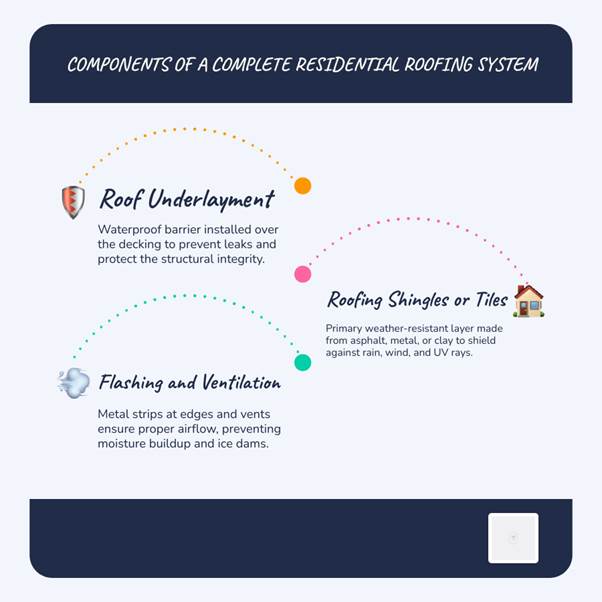
The roof and exterior of a home are constantly exposed to the elements, making them susceptible to gradual deterioration. Understanding the signs of wear and the typical lifespans of different materials is crucial for timely intervention and to avoid costly repairs. We must remain vigilant in monitoring our home’s protective shell.
Understanding Material Longevity
Different roofing materials offer varying degrees of durability and service life. Asphalt shingles, for instance, are a popular choice due to their affordability and versatility. Their service life typically ranges from 15 to 30 years, with a first layer often lasting around 20 years and a second layer, if added over the first, lasting about 15 years. No more than two layers of asphalt shingles should generally be in place at any one time, as excessive layers can compromise structural integrity and ventilation.
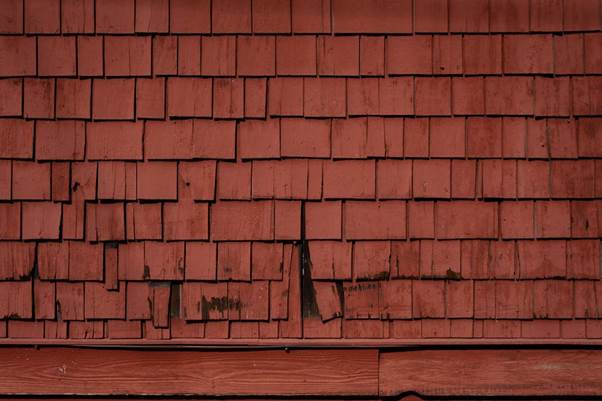
Metal roofing, while a higher initial investment, boasts an impressive lifespan, often exceeding 50 years with proper maintenance. Tile roofing, including clay and concrete tiles, can also last upwards of 50 years, sometimes even a century, making them a highly resilient option. Wood shingles or shakes have a typical lifespan of 25 to 30 years, particularly in climates that are not excessively hot and humid. For flat or low-slope roofs, built-up roofs typically last about 20 years, while single-ply membrane roofs, such as TPO or EPDM, can also achieve a 20-year lifespan if properly installed and maintained. These benchmarks provide a general idea, but environmental wear, material quality, and consistent maintenance are significant factors influencing actual longevity. For detailed guidance on specific roofing materials and their care, consulting with Metro Builders roofing experts can provide tailored insights for your property.
Identifying Early Warning Signs
Early detection of roof and exterior issues can prevent minor problems from escalating into significant structural damage. On the roof, we should look for signs such as granule accumulation in gutters, which indicates that asphalt shingles are losing their protective top layer and nearing the end of their life. Curling, buckling, or missing shingles are also clear indicators of distress, often caused by age, wind damage, or improper installation.
Flashing, the metal strips installed around chimneys, skylights, and valleys, is critical for preventing water intrusion. Gaps, rust, or deterioration in flashing can lead to significant leaks. Similarly, cracked sealants around vents and pipe boots – the rubber or plastic collars around plumbing vents – are common points of failure that allow water to seep into the attic. Inside the home, interior water spots on ceilings or walls, especially after rain, are undeniable evidence of a roof leak. Sagging rooflines can indicate underlying structural issues, often caused by water damage or inadequate support. Regular visual inspections from the ground, coupled with periodic professional assessments, are essential for catching these warning signs early.
Core Practices for Roofing and Exterior Maintenance
Proactive maintenance is the cornerstone of preserving your home’s roof and exterior. By implementing a consistent routine, we can significantly extend the life of these critical components, enhance curb appeal, and prevent costly repairs down the line.
Managing Moss and Algae Growth
Moss and algae growth are common issues that can compromise a roof’s integrity and appearance. These organisms thrive in damp, shaded environments, particularly on north-facing slopes in the Northern Hemisphere or in wet climates. Moss, in particular, absorbs water, and large clumps can damage shingles by raising their edges, making them vulnerable to wind and water penetration. Algae often manifest as dark streaks, which, while primarily aesthetic, can also indicate moisture retention.
To prevent and manage this growth, we can take several steps. Trimming overhanging tree branches to reduce shade and improve sunlight exposure can help dry out the roof. For existing growth, a solution of equal parts chlorine bleach and water can be applied to affected areas, though care must be taken to protect surrounding landscaping and avoid direct contact with skin or eyes. Some homeowners also opt for zinc or copper strips installed near the roof ridge; these metals release ions that inhibit the growth of moss and algae as rainwater washes over them. Additionally, many modern asphalt shingles are manufactured with copper granules, which are specifically designed to resist algae discoloration. Regular, gentle cleaning and proactive measures are key to keeping these unwanted growths at bay. For more comprehensive exterior maintenance strategies, including solutions for persistent issues, consider exploring resources from Baber roofing exterior maintenance.
The Importance of Gutter and Tree Maintenance
Gutters and downspouts play a vital role in directing rainwater away from your home’s foundation. When clogged with leaves, twigs, and other organic debris, they can overflow, leading to several problems. Water overflowing from gutters can saturate the fascia boards, leading to wood rot, and can also pool around the foundation, potentially causing soil expansion, foundation cracks, and basement leaks. We recommend cleaning gutters at least twice a year, typically in late spring and late fall, or more frequently if many trees surround your property. Ensuring gutters slope uniformly to downspouts and that hangers are spaced no more than 3 feet apart (or 18 inches in areas prone to heavy ice) helps maintain proper drainage.
Tree maintenance is equally important. Overhanging tree branches can scratch and abrade shingles during windy conditions, leading to granule loss and premature aging. They also deposit leaves, needles, and other organic matter onto the roof, contributing to debris accumulation and moisture retention, which encourages moss and algae growth. Furthermore, large branches pose a significant risk during storms, potentially falling and causing severe damage to the roof or even the entire structure. Regularly trimming tree limbs so they are at least 6 to 10 feet away from the roofline can prevent these issues, preserving the roof’s UV protection and granule preservation.
Managing Environmental Challenges and Storm Impacts
Our homes are constantly exposed to environmental challenges, from seasonal weather patterns to severe storms. Understanding how these factors impact roofs and exteriors, and knowing how to respond, is essential for maintaining a safe and resilient home.
Addressing Ice Dams on Pitched Roofs
Ice dams are a common problem in colder climates, occurring when snow on a pitched roof melts due to heat escaping from the attic, then refreezes as it reaches the colder eaves. This buildup of ice forms a “dam” that prevents subsequent melting snow from draining off the roof. The trapped water can then back up under shingles, seep into the attic, and cause significant damage to ceilings, walls, and insulation.
Preventing ice dams primarily involves minimizing heat loss from the attic and ensuring proper ventilation. We must provide adequate attic insulation to prevent warm air from rising and melting the snow. Proper attic ventilation, with a balanced system of intake vents (at the eaves) and exhaust vents (at the ridge), helps maintain a cold roof deck, matches the outside temperature, and prevents premature snowmelt. Installing ice and water shield membrane, a self-adhering modified bitumen underlayment, along the eaves and in valleys during roof installation is a crucial protective measure. This membrane should extend at least 3 feet beyond the exterior wall line for low-slope roofs (less than 4:12 pitch) and 2 feet for normal-slope roofs. While gutter heating cables can help, they are often a reactive solution; proactive insulation and ventilation are more effective long-term strategies.
Navigating Storm Damage and Insurance
Storms, particularly those with hail and high winds, can cause significant damage to roofs and exteriors. Hail impact can bruise or crack shingles, dislodge granules, and even puncture roofing membranes, leading to leaks. High winds can lift, tear, or completely remove shingles, exposing the underlying deck to water. After a severe storm, it’s critical to inspect your property safely from the ground for visible signs of damage.
If damage is suspected, documenting it with photographs and videos is paramount. This visual evidence will be invaluable when filing an insurance claim. We recommend contacting a reputable local roofing contractor for a professional assessment of the damage. They can safely inspect the roof, identify all areas of damage, and provide an estimate for repairs or replacement. Many contractors also assist homeowners throughout the insurance claims process, helping to communicate with adjusters and ensuring all covered damages are addressed. In cases of immediate, severe damage, such as a large hole or a missing section of the roof, emergency tarping may be necessary to prevent further water intrusion while awaiting repairs. For comprehensive assistance with storm damage and other roofing needs, consider reaching out to providers of Comprehensive roofing services who can guide you through the entire process.
Protecting the Building Envelope and Structural Integrity
Beyond the roof, the entire building envelope—siding, windows, and foundation—requires diligent attention to maintain its integrity and protect the home’s structure. Addressing issues such as wood rot, siding damage, and window leaks is crucial to preventing moisture intrusion and preserving your property’s longevity.
The Role of Ventilation in Roofing and Exterior Maintenance
Proper ventilation is not just for attics; it plays a critical role in the overall health of your home’s exterior. In the attic, a balanced ventilation system (with a 1:150 free vent area-to-floor area ratio) helps regulate temperature and moisture. In summer, it allows superheated air to escape, preventing the “baking” of shingles from below, which can shorten their lifespan and increase cooling costs. In winter, it prevents the buildup of moist air that can condense on cold surfaces, leading to mold, mildew, and wood rot in the attic.
Beyond the attic, adequate ventilation is essential for wall cavities and crawl spaces. For instance, crawl spaces with earthen floors require a vent ratio of 1:150, with free vent area equal to the crawl space area, to prevent moisture accumulation. Proper ventilation throughout the building envelope helps manage humidity levels, reduces the risk of condensation, and contributes to the home’s overall energy efficiency and durability.
Detecting and Preventing Exterior Wood Rot
Wood rot is a common and insidious problem for many homes, often occurring in areas where wood elements are consistently exposed to moisture. Fascia boards, soffit vents, window sills, door frames, and deck supports are particularly vulnerable. We should regularly inspect these areas for soft spots, discoloration, or crumbling wood, which are tell-tale signs of rot.
Prevention is key. Ensuring proper drainage from the roof and gutters helps keep water away from wood components. Maintaining at least a 6-inch clearance between wood elements and the grade (or above-average winter snow depth) prevents moisture wicking from the ground. Promptly repairing any leaks in the roof or siding and ensuring all exterior paint and sealants are intact form a protective barrier against moisture intrusion. When replacing rotted wood, using rot-resistant materials such as treated lumber, composite trim, or PVC can provide long-term durability. Special attention should also be given to EIFS (Exterior Insulation and Finish Systems), which, if not installed and maintained correctly, can conceal significant wood rot due to their non-draining design.
Professional Standards and Safety Protocols
While some exterior maintenance tasks are suitable for homeowners, many aspects of roof and exterior care require the expertise and safety protocols of trained professionals. Understanding when to call in the experts and what to expect from them is vital for ensuring quality work and protecting your investment.
Scheduling Professional Roofing and Exterior Maintenance
Regular professional inspections are a cornerstone of long-term roof and exterior maintenance. We recommend scheduling comprehensive inspections at least biannually, typically in the spring and fall. These inspections allow trained professionals to identify subtle issues that might be missed during a homeowner’s ground-level check. They can safely access the roof, examine flashing, assess shingle condition, inspect gutters and downspouts, and evaluate the overall integrity of the roofing system.
Professional inspections often involve advanced techniques such as thermal imaging to detect hidden moisture or insulation deficiencies, and drone surveys for a detailed, safe view of the entire roof surface. A professional can also conduct structural audits to identify signs of stress or damage that could compromise the home’s stability. Maintaining a detailed maintenance log, noting inspection dates, repairs, and material warranties, can also be incredibly helpful for tracking your home’s history and planning future maintenance. Certified contractors, often backed by manufacturers like GAF or Owens Corning, bring specialized knowledge and usually offer enhanced warranty protection, providing peace of mind.
DIY Safety vs. Professional Intervention
Many homeowners are keen to tackle maintenance tasks themselves, and indeed, some ground-level checks are perfectly safe and encouraged. Inspecting for damaged shingles from the ground with binoculars, clearing accessible gutters, and trimming low-hanging branches are all tasks a homeowner can safely perform. However, any task that requires climbing onto the roof, especially a high-pitched or multi-story roof, carries significant risks. Falls from roofs account for a disproportionate number of injuries and fatalities in the construction industry (where 5% of the workforce accounts for nearly 20% of annual fatalities), and homeowners are often less equipped or trained for such hazards.
Tasks involving specialized equipment, working with electrical components (such as solar panels), or significant structural repairs should always be left to professionals. A certified roofing contractor has the necessary training, safety equipment (like fall protection), insurance, and expertise to perform complex repairs safely and effectively. They can also identify underlying issues that an untrained eye might miss, ensuring a comprehensive solution rather than a temporary fix. Knowing your limits and prioritizing safety by calling in professionals when needed is a wise investment in your home and your well-being.
Frequently Asked Questions about Exterior Care
How often should gutters be cleaned to prevent damage?
We recommend cleaning gutters at least twice a year, typically in late spring after tree pollen and seeds have fallen, and again in late fall after all the leaves have come down. If many trees surround your home or you live in an area prone to heavy storms, more frequent cleaning may be necessary. Regular cleaning prevents clogs that can lead to water overflow, fascia rot, and foundation damage.
What is the difference between residential and commercial maintenance needs?
While both residential and commercial properties require diligent roof and exterior maintenance, their needs often differ significantly. Residential maintenance typically focuses on pitched roofs (asphalt shingles, tile, metal), gutters, siding, and windows, with an emphasis on aesthetic appeal and homeowner comfort. Commercial maintenance, on the other hand, often involves large, flat, or low-slope roofing systems (such as TPO, EPDM, and built-up roofs), roof-mounted HVAC units, complex drainage systems, and strict compliance with building codes, while minimizing business interruption. Commercial properties usually require more frequent, specialized inspections and maintenance plans due to their larger size, heavier roof traffic, and different material demands.
How do energy-efficient roofing options benefit long-term maintenance?
Energy-efficient roofing options, such as cool roofs or solar roofing, offer several long-term maintenance benefits. Cool roofs, which use reflective materials or coatings, reduce heat absorption, lowering attic temperatures and extending the lifespan of the roofing material by minimizing thermal stress. This can lead to fewer repairs and replacements over time. Solar roofing, which integrates photovoltaic cells directly into the roofing system, not only provides clean energy but also often comes with robust warranties, potentially reducing maintenance concerns for the solar components. Both options help lower energy bills, making them a wise investment that pays dividends in reduced utility costs and extended roof longevity.
Conclusion
Maintaining your home’s roof and exterior is a continuous, multifaceted commitment that directly impacts its longevity, value, and safety. By adopting a proactive, informed approach, we can safeguard our most significant investment against the relentless forces of nature and the inevitable march of time.
We’ve explored the critical signs of deterioration, understood the varying lifespans of common materials, and delved into core maintenance practices—from managing moss and algae to ensuring proper gutter and tree care. We’ve also highlighted strategies for navigating environmental challenges like ice dams and storm damage, emphasizing the importance of professional assessment and insurance claims. Finally, we underscored the vital role of ventilation and the detection of wood rot in preserving the entire building envelope, along with the crucial distinction between safe DIY tasks and those requiring certified professional intervention.
A consistent preventive strategy, coupled with periodic professional inspections, is the most effective way to achieve long-term savings and peace of mind. By partnering with trusted experts and staying vigilant, we ensure our homes remain strong, beautiful, and resilient for years to come.