

Whether you are building a new home or upgrading your existing system, getting your water heater installation right is a key investment in comfort and efficiency. A properly installed water heater ensures a steady hot water supply, can lower energy bills, and prevents many common safety hazards. If you are researching Toronto water heater installations, understanding these essentials will help you make the right decisions for your property.
From selecting the right unit type to following strict safety codes, each step in the installation process matters. In many cases, seeking guidance from experienced professionals not only guarantees compliance with local requirements but also protects your investment over the long term.
Before starting the installation project, consider the long-term implications of your choices. The size and type of water heater you select impact your running costs and comfort for years to come. Additionally, adhering to recommended maintenance practices is the best way to maximize the efficiency and lifespan of your new equipment.
It is also crucial to stay up to date with rebates and incentives for upgrading to energy-efficient water heaters. For example, San Francisco offers attractive bill credits for residents who switch to modern, eco-friendly heat pump systems. Reviewing opportunities for savings can make your installation more budget-friendly and sustainable.
Assess Your Hot Water Needs
The first step towards a successful installation is understanding how much hot water your household actually requires. If your water heater is too small, you may experience unexpected cold showers. On the other hand, oversizing the heater can lead to wasted energy and increased utility costs. Calculate your peak-hour usage by adding the gallons consumed for showers, laundry, dishwashing, and other typical activities. For instance, an average shower uses around 10 gallons every 10 minutes. Getting this assessment right ensures your chosen unit matches your usage patterns efficiently.
Choose the Right Type of Water Heater
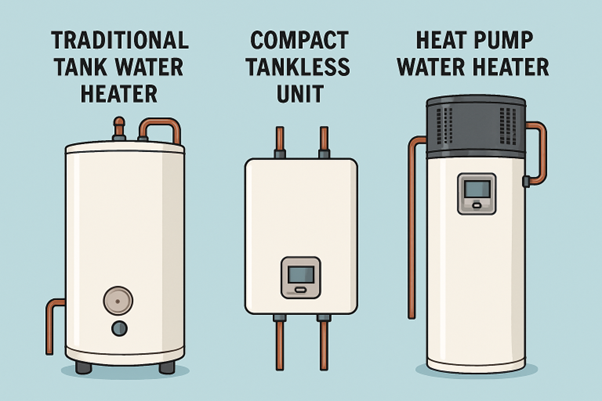
The market offers several types of water heaters, each suited to differing needs and preferences:
- Tank Water Heaters: These traditional units store heated water in a reservoir, providing a ready supply and making them a solid choice for families or high-demand settings.
- Tankless Water Heaters: Heating water on demand, tankless models deliver continuous hot water when needed and are more energy efficient, but may require upgraded electrical or gas infrastructure.
- Heat Pump Water Heaters: These systems use ambient air heat and are among the most efficient options. Some regions, such as San Francisco, offer bill credits or rebates for homeowners upgrading to heat pump models. Always research local incentives to save on upfront costs.
Ensure Proper Sizing
Correctly sizing your water heater is essential for maintaining comfort and managing energy consumption. The following guidelines can help:
- 1 to 2 people: 30–40 gallon tank
- 3 to 4 people: 40–50 gallon tank
- 5 or more people: 50–80 gallon tank, or consider a tankless system with sufficient output
If choosing a tankless unit, you will need to calculate both the expected flow rate (in gallons per minute) and the required temperature rise above your groundwater. Selecting the wrong size can result in system overload and inefficiency, or an inability to provide enough hot water during peak use times.
Prioritize Energy Efficiency
Energy efficiency is increasingly important due to rising energy costs and environmental concerns. Look for water heaters with high Energy Factor (EF) or Uniform Energy Factor (UEF) ratings. Models with better insulation and advanced controls result in lower monthly bills and reduced heat loss. Additionally, pipe and tank insulation can help to further reduce energy waste. Set the water heater thermostat to 120°F, which is typically considered safe and energy efficient. For more energy-saving tips, check out reliable resources like the U.S. Department of Energy’s guide to water heating.
Comply with Local Building Codes
Each municipality enforces specific rules for water heater installations to ensure public safety. These codes could require safety valves, expansion tanks, or special seismic straps in earthquake-prone areas. Failing to comply with local plumbing and electrical codes may lead to failed inspections, insurance complications, and an increased risk of malfunction. Always verify local requirements, and consider working with licensed professionals who understand these regulations thoroughly.
Focus on Safety Measures
Safety is paramount throughout the installation process. Key measures include:
- Pressure Relief Valve: This component prevents dangerous pressure build-up that could lead to leaks or even explosions.
- Proper Venting: For gas-powered water heaters, meticulous venting is essential to expel combustion gases such as carbon monoxide. Improper venting is a leading cause of indoor air pollution.
- Secure Installation: If you live in a seismic area, securely fastening the unit can prevent tipping and damage during earthquakes.
Plan for Regular Maintenance
Routine maintenance is vital for ensuring long-term performance and maximizing equipment life. Annual tasks include:
- Inspections: Check for corrosion, leaks, or sediment accumulation.
- Flushing: Draining the tank to remove sediment prevents overheating and ensures efficiency.
- Testing Safety Devices: The pressure relief valve should be checked regularly to confirm it operates as intended.
Proactive maintenance reduces unexpected breakdowns and helps you address small issues before they become major repairs.
Consider Financing Options
Installing or upgrading a water heater is a significant financial step, but you do not need to pay all costs upfront. Many retailers and service providers offer financing solutions, including flexible payment plans or promotional periods with low or no interest. Exploring these options can ease the burden and allow you to select a higher-efficiency model without straining your budget.
By carefully considering your household’s needs, prioritizing safety, and keeping efficiency in mind, you will maximize your water heater’s performance while keeping costs and risks low. Whether you handle the job yourself or turn to seasoned professionals, following these essential tips will help ensure a safe and successful installation tailored to your home’s requirements.