

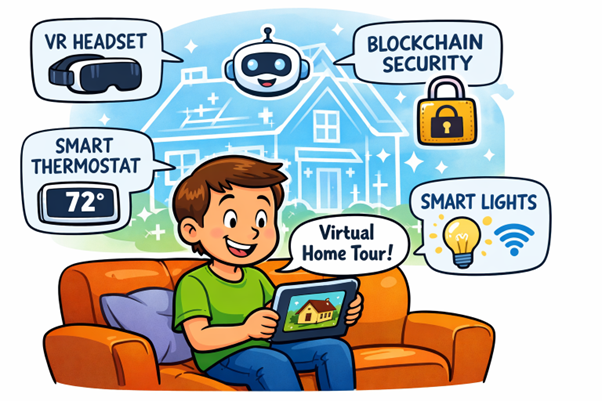
In today’s fast-paced world, technology is revolutionizing the way we buy homes. From virtual tours to AI-driven recommendations, the home-buying process is becoming more efficient and user-friendly. Working with experienced professionals like Ventura CA real estate experts Larry & Ignacio can help buyers navigate these tech-driven tools and make informed decisions. Let’s explore how these advancements are transforming the real estate landscape.
Virtual and Augmented Reality: Touring Homes from Anywhere
Gone are the days of spending weekends visiting multiple properties. With virtual reality (VR) and augmented reality (AR), prospective buyers can now explore homes from the comfort of their own space. These immersive experiences provide a realistic sense of a property’s layout and design, making the initial stages of home buying more convenient and less time-consuming. Advanced VR platforms even allow users to measure rooms, customize finishes, and visualize furniture placement, streamlining the decision-making process before setting foot on the property. AR can overlay additional details, such as renovation options or hidden infrastructure, giving buyers a deeper understanding and greater confidence in their selections. Virtual staging, which digitally furnishes spaces, helps buyers imagine living in a home, improving emotional connection, and boosting property sales.
Artificial Intelligence: Personalized Recommendations and Market Insights
Artificial intelligence (AI) is transforming the real estate industry by offering tailored property suggestions based on individual preferences and behaviors. AI algorithms analyze vast amounts of data to predict market trends, helping buyers make informed decisions. This technology not only simplifies the search process but also enhances the accuracy of property valuations. For sellers, AI enables more effective marketing by targeting the right buyers through predictive analytics and efficient pricing strategies. Meanwhile, AI-powered chatbots and virtual assistants provide 24/7 support, answering questions and offering guidance to both buyers and sellers throughout the transaction. AI is also being leveraged to detect potential issues with property titles and documentation, helping to avoid costly errors or disputes later in the process.
Blockchain: Secure and Transparent Transactions
Blockchain technology is introducing a new level of security and transparency to real estate transactions. By creating tamper-proof, decentralized records, blockchain reduces the risk of fraud and streamlines the buying process. Smart contracts, which automatically execute agreements when conditions are met, further enhance efficiency and trust between parties. This digital ledger system reduces reliance on intermediaries, lowering costs and transaction times. Blockchain can also facilitate cross-border deals more securely, enabling international buyers and sellers to participate with confidence. Ultimately, leveraging blockchain opens the door to global property investments and to innovations in fractional ownership and tokenization.
Smart Homes and IoT: Enhancing Property Appeal
The integration of smart home devices and the Internet of Things (IoT) is making properties more attractive to tech-savvy buyers. Features like automated lighting, energy-efficient climate control, and advanced security systems not only provide convenience but also contribute to energy savings and increased property value. Devices such as smart thermostats, video doorbells, and voice-controlled assistants are often high priorities for younger buyers who value connected living. Smart sensors can monitor air quality or detect potential plumbing leaks, alerting homeowners before problems arise. As energy regulations become stricter, smart technology can help properties meet new standards, making them more appealing and future-proof.
Online Platforms and Mobile Apps: Streamlining the Search Process
Online real estate platforms and mobile applications have revolutionized the way buyers search for homes. These tools offer comprehensive listings, high-quality images, and detailed property information, enabling users to filter and compare options easily. Additionally, features like virtual open houses and real-time notifications keep buyers informed and engaged throughout their search. Mobile-first platforms enable users to communicate directly with agents, schedule viewings, and submit offers instantly. Many apps now use AI to refine search results based on user feedback and integrate mortgage calculators or financial pre-approval tools directly into their interfaces, offering a more seamless transition from browsing to buying. With all-in-one platforms, buyers and sellers can handle nearly every aspect of the transaction digitally, reducing paperwork and friction.
Data Analytics: Informed Decision-Making
Data analytics play a crucial role in modern home buying by providing insights into market trends, neighborhood statistics, and property histories. Buyers can access information on average property prices, crime rates, school ratings, and more, enabling them to make well-informed decisions aligned with their priorities. Some advanced analytics platforms incorporate predictive models that forecast price movements or identify emerging markets, giving buyers a competitive edge. Agents and brokers also use these insights to develop more effective marketing campaigns and negotiate contracts with greater leverage. Consumers benefit from transparency as data-driven platforms reduce information asymmetry, giving both first-time and experienced buyers greater confidence when making significant financial decisions.
The Future of Real Estate: What to Expect
Looking ahead, we can expect further integration of technologies such as digital twins, which create precise virtual models of homes, and AI-enhanced home inspections that automate checks for hidden defects. 5G connectivity will make real-time virtual tours even more immersive and accessible, while advancements in machine learning will enable platforms to understand and predict buyer behaviors with unprecedented accuracy. Moreover, sustainability is becoming a critical factor in real estate technology. Smart solar panels, energy storage systems, and eco-friendly construction materials will further distinguish innovative properties. The rise of remote work could influence location preferences, and digital platforms can help buyers evaluate commutes and lifestyle choices without ever leaving home.
As the adoption of these technologies grows, real estate professionals will need to adapt continuously, leveraging new tools to enhance customer service and satisfaction. Education and ongoing training in tech trends will become vital for those looking to remain competitive in the industry.