

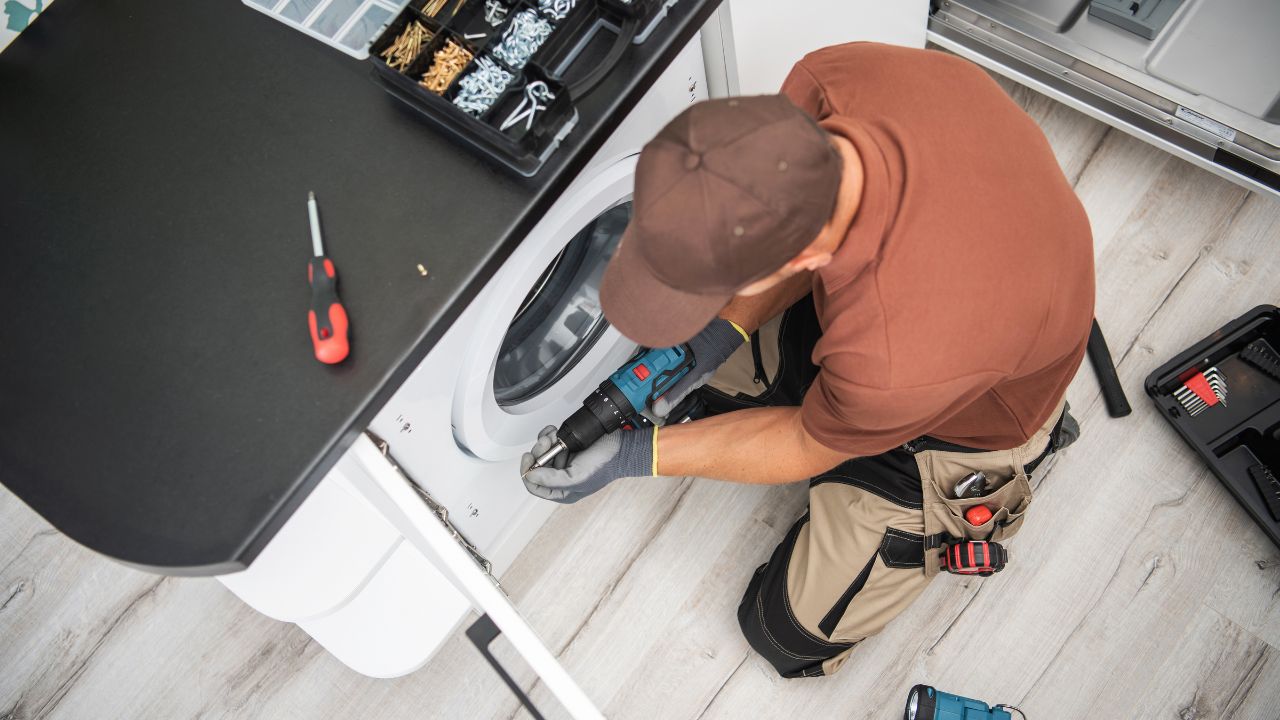
Home appliance repair is often the smartest and most cost-effective way to extend the lifespan of essential household equipment like refrigerators, washing machines, ovens, and dishwashers. Instead of immediately replacing malfunctioning appliances, professional repair or smart troubleshooting can save homeowners hundreds or even thousands of dollars while keeping appliances running efficiently.
In this guide, I’ll walk you through everything homeowners should know about appliance repair — including common issues, warning signs, maintenance tips, when to repair versus replace, and how to choose reliable repair services. Whether you’re dealing with a noisy dryer or a refrigerator that refuses to stay cold, this article will help you make informed decisions and avoid unnecessary expenses.
Why Home Appliance Repair Matters
Modern homes depend heavily on appliances. When one breaks down, daily routines can quickly become stressful. Repairing appliances instead of replacing them offers several major advantages.
Cost Savings
Repairing appliances typically costs far less than buying new ones. According to the U.S. Department of Energy, replacing major appliances prematurely can significantly increase household expenses and energy waste. Many common appliance problems involve minor parts or maintenance issues that are relatively inexpensive to fix.
Environmental Benefits
Repairing appliances helps reduce landfill waste and lowers environmental impact. The Environmental Protection Agency (EPA) emphasizes that extending product life is one of the most effective ways to reduce electronic and appliance waste.
Convenience
Repairs often restore appliances faster than researching, purchasing, and installing new models. This is especially important for appliances that families rely on daily.
Most Common Appliances That Require Repair
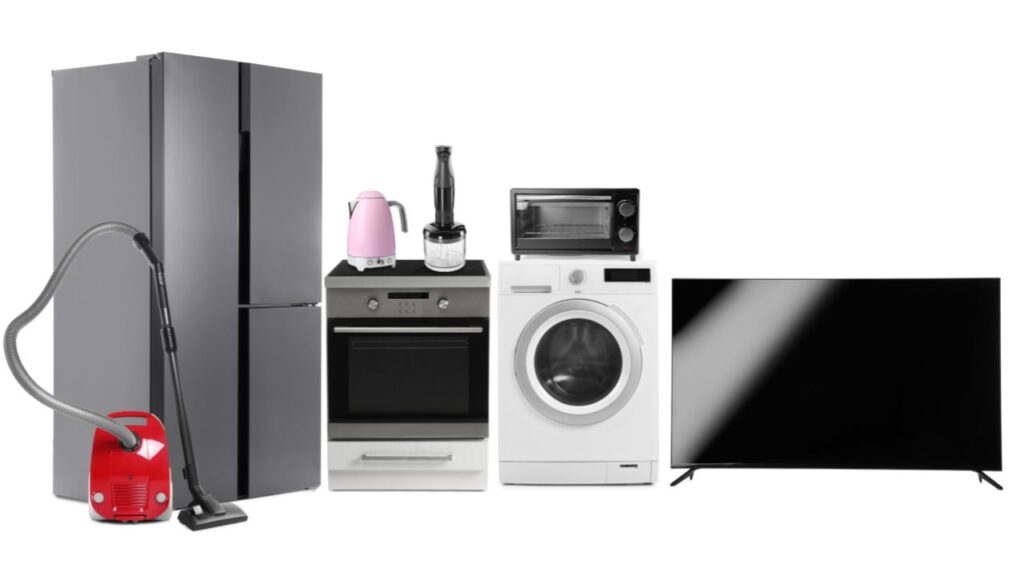
Understanding which appliances most frequently require service can help homeowners prepare for maintenance and early warning signs.
Refrigerators
Refrigerators operate continuously, making them one of the most heavily used appliances in any home. Common refrigerator problems include:
- Inconsistent cooling
- Water leaks
- Ice maker malfunction
- Loud or unusual noises
- Faulty thermostats
Washing Machines
Washing machines endure heavy loads and regular wear and tear. Frequent repair issues include:
- Water drainage problems
- Excessive vibration
- Failure to spin properly
- Electrical control malfunctions
Dryers
Dryers often develop problems related to heating and airflow. Warning signs include:
- Clothes not drying fully
- Burning smells
- Overheating
- Loud operation
Dishwashers
Dishwashers contain complex water and electrical systems. Common repairs involve:
- Poor cleaning performance
- Drainage blockages
- Door latch failures
- Water leaks
Ovens and Stoves
Cooking appliances often experience heating element or ignition failures. Homeowners may notice:
- Uneven cooking temperatures
- Burners not lighting
- Electrical display issues
Signs Your Appliance Needs Repair
Catching appliance issues early can prevent costly breakdowns and extend equipment lifespan. Some warning signs are easy to overlook but should never be ignored.
Unusual Noises
Grinding, banging, or humming sounds usually indicate mechanical problems or loose components. These noises often worsen if left untreated.
Increased Energy Bills
A sudden spike in utility bills may suggest appliances are working harder due to inefficiency or malfunction. The U.S. Department of Energy states that poorly maintained appliances consume significantly more electricity than properly functioning ones.
Leaks or Moisture
Water leaks around appliances like dishwashers or washing machines can indicate clogged hoses, damaged seals, or internal pump issues.
Reduced Performance
If appliances stop working as efficiently as they once did, repair may restore performance without the need for replacement.
Repair vs. Replacement: How to Decide
One of the most common questions homeowners ask is whether they should repair or replace an appliance. Several factors influence this decision.
The 50 Percent Rule
Many repair professionals recommend replacing appliances if repair costs exceed 50 percent of the appliance’s replacement value.
Appliance Age
Each appliance has an average lifespan. According to data from the National Association of Home Builders (NAHB), common appliance lifespans include:
- Refrigerators: 13 years
- Washing machines: 10 years
- Dryers: 13 years
- Dishwashers: 9 years
- Electric ranges: 13–15 years
If your appliance is nearing the end of its expected lifespan, replacement may be more economical.
Frequency of Repairs
If an appliance requires frequent service calls, replacement may provide better long-term value and reliability.
DIY Appliance Maintenance Tips
While some repairs require professional expertise, homeowners can perform simple maintenance tasks to keep appliances functioning properly.
Clean Filters Regularly
Dryer lint filters, dishwasher filters, and refrigerator air vents should be cleaned frequently. Blocked filters reduce efficiency and increase fire risks.
Inspect Hoses and Connections
Checking water hoses for cracks or leaks can prevent major damage. Experts recommend replacing rubber hoses every five years.
Avoid Overloading
Overloading washing machines and dryers places excessive strain on motors and internal components, shortening appliance lifespan.
Maintain Refrigerator Coils
Dust and debris on refrigerator condenser coils reduce cooling efficiency. Cleaning coils every six months improves performance and energy efficiency.
When to Hire a Professional Appliance Repair Technician
Certain appliance problems require specialized tools and expertise. Hiring a certified repair professional ensures safe and effective repairs.
For homeowners searching for trusted local service, professional appliance repair Bellevue technicians can diagnose complex issues and restore appliances quickly. Choosing experienced repair services helps prevent recurring problems and ensures manufacturer safety standards are followed.
Professional repair is especially important for:
- Electrical component failures
- Gas appliance repairs
- Refrigerant leaks
- Complex control board issues
How to Choose a Reliable Appliance Repair Service
Selecting the right repair company can make a significant difference in repair quality and overall experience.
Check Certifications and Licensing
Reputable technicians should have proper licensing and certification. Certification ensures technicians meet industry standards and safety requirements.
Read Customer Reviews
Online reviews provide valuable insight into service reliability, pricing transparency, and technician professionalism.
Ask About Warranties
Reliable repair services often provide warranties on labor and replacement parts. This protects homeowners from repeat repair costs.
Request Transparent Pricing
Professional companies should provide upfront estimates without hidden fees or surprise charges.
Preventative Maintenance Strategies That Extend Appliance Life
Preventative maintenance reduces repair costs and improves appliance efficiency.
Schedule Annual Inspections
Routine inspections help detect minor issues before they become major repairs. Many repair companies offer maintenance service plans.
Use Appliances Properly
Following manufacturer instructions prevents unnecessary wear and tear. Overuse or misuse often leads to premature failure.
Replace Worn Components Early
Replacing small parts like belts, seals, and filters prevents larger mechanical failures later.
Energy Efficiency and Appliance Repair
Repairing appliances often improves energy efficiency. The U.S. Department of Energy reports that properly maintained appliances can reduce household energy consumption by up to 15 percent.
Energy-efficient appliances lower utility bills and reduce environmental impact. Repairs such as replacing worn seals, fixing thermostat issues, or cleaning internal components often restore efficiency without replacement.
Safety Considerations in Appliance Repair
Safety should always be the top priority when dealing with appliance repairs.
Electrical Safety
Always disconnect power before inspecting or cleaning appliances. Electrical appliances can pose serious shock hazards.
Gas Appliance Safety
Gas appliances should only be repaired by licensed professionals. Gas leaks can lead to dangerous carbon monoxide exposure.
The Consumer Product Safety Commission (CPSC) recommends installing carbon monoxide detectors in homes with gas appliances to enhance household safety.
The Future of Appliance Repair
Smart appliances are transforming home maintenance. Modern appliances include diagnostic software that identifies performance issues early. Remote monitoring allows technicians to troubleshoot problems faster and improve repair accuracy.
As technology advances, appliance repair services are becoming more efficient, reducing downtime and improving reliability.
Final Thoughts
Home appliance repair is a practical, cost-effective, and environmentally responsible solution for maintaining household functionality. By recognizing early warning signs, performing routine maintenance, and choosing reliable repair professionals, homeowners can significantly extend appliance lifespan and reduce expenses.
In my experience, most appliance problems begin as minor issues that homeowners overlook. Addressing those small problems early often prevents expensive breakdowns later. Taking a proactive approach to maintenance and repair is one of the smartest investments homeowners can make.
Instead of viewing appliance failures as reasons for replacement, think of repair as an opportunity to preserve your investment, reduce environmental waste, and maintain the convenience modern appliances provide.
With the right knowledge and trusted repair services, homeowners can keep their appliances running efficiently for years to come.