

Curb appeal is the overall attractiveness of a property when viewed from the street, and it serves as the foundation of the first impression your home makes. Whether you’re welcoming friends, hosting family, or hoping to attract potential buyers, the visual impact of your home’s exterior plays a pivotal role in how people feel about your space before they even set foot inside. The front of your house, with its landscaping, walkway, lighting, and most importantly, its entry door, can convey the pride you take in your home and offer a preview of what guests might expect inside. Studies have shown that homes with high curb appeal can command higher sale prices and sell faster, underscoring how influential exterior improvements can be on property value and salability.
Among the most effective and rewarding upgrades you can make is a new front door installation. Not only does a beautiful entry door instantly revitalize the entire facade, but it also communicates a sense of care and investment. This upgrade is accessible to most homeowners and can be completed quickly, yet it has a powerful effect, drawing admiration from everyone passing by—neighbors, visitors, and prospective buyers alike.
The Role of the Entry Door
Often acting as the centerpiece of your home’s exterior, the entry door is a small detail with outsized influence. It serves as the focal point that catches the eye, giving the entire property a sense of symmetry and completion. Making even modest changes—such as repainting the door, replacing old hardware, or adding decorative glass panels can shift the style and mood of your house, instantly enhancing its personality. A carefully chosen replacement door not only refreshes the visual appeal but also broadcasts your design sensibilities, whether you prefer contemporary, traditional, or rustic aesthetics.
Industry professionals and home design resources like Better Homes & Gardens highlight that an updated entry door is consistently listed among the top projects for those interested in curb appeal improvements. In fact, this is one of the renovations with a high return on investment, meaning you get both the immediate benefit of a better-looking home and the future advantage of higher resale value.
Choosing the Right Door Style
The selection of your entry door’s style lays the groundwork for the entryway’s distinctive personality. Think about your home’s architectural details—its lines, era, color palette, and the materials already present. By harmonizing your door style with these elements, you create a cohesive exterior that feels intentionally designed rather than pieced together. The right choice should also reflect your individual taste while respecting the historical or regional flavor of your neighborhood.
- Traditional Doors: Featuring classic details such as raised wood panels, glass inserts, and elegant moldings, these doors are perfect for colonial, Victorian, or craftsman homes, offering a timeless, familiar visual appeal.
- Modern Doors: For minimalists or fans of contemporary architecture, select doors with sharp, clean lines, generous glass panes, and discrete, metallic hardware. They work exceptionally well with mid-century modern and newly constructed homes, adding a sense of sleek sophistication.
- Rustic Doors: Using naturally finished woods, prominent grain patterns, and sometimes decorative ironwork, rustic options bring a sense of warmth and handcrafted authenticity. They pair especially well with farmhouse, mountain-lodge, or Tuscan-influenced homes, adding substantial character and charm.
As you evaluate style options, also consider how seasonal decorations, planters, or porch lighting will visually complement your chosen door to create a harmonious entryway year-round.
Color Selection and Its Impact
The front door’s color is a critical detail that sets the tone for your entire home. Choosing the right shade can offer a lively pop of personality or a tasteful note of elegance. Deep, saturated hues like navy, charcoal, or forest green communicate classic sophistication and blend beautifully with stone accents or wooded lots. Lighter tones, including sage, seafoam, or olive, foster a more relaxed, inviting atmosphere and can make your entry appear brighter and more welcoming in natural light.
According to the trend-watchers at House Beautiful, the color of your front door is often the very first thing guests or passersby notice. Because of this, an entry door’s color acts as a visual cue, communicating either bold individuality or quiet elegance. Experimenting with sample paints or digital visualizers can help you see how certain colors interact with your home’s siding, trim, and landscaping, so you can confidently choose a hue that complements your surroundings and captures your unique style.
Don’t be afraid to use color as a tool for self-expression, just be sure to strike a balance with your home’s existing aesthetic so that your door shines as an accent, rather than competing or clashing with other elements.
Incorporating Glass Elements
Adding glass to your entry door can dramatically transform its appearance and the feel of your home’s interior. Glass panels, sidelights, and decorative inserts let warm, natural light spill into your foyer, creating a cheerful, open feel even before your guests step inside. Today’s options go far beyond simple, clear panels; you can opt for frosted or textured glass for privacy while still enjoying extra brightness.
Geometric patterns, classic divided lights, and modern full-glass designs allow you to tailor your door to your preferred style. Stained or colored glass inserts bring an artistic flair, while etched or leaded glass lends a touch of tradition or luxury. If street-facing privacy is important, consider narrow sidelights, transom windows, or decorative glazing above eye level.
When paired with coordinated exterior lighting, glass details can make your home sparkle at dusk and highlight the entryway’s architectural interest long after the sun has set.
Enhancing with Hardware and Accessories
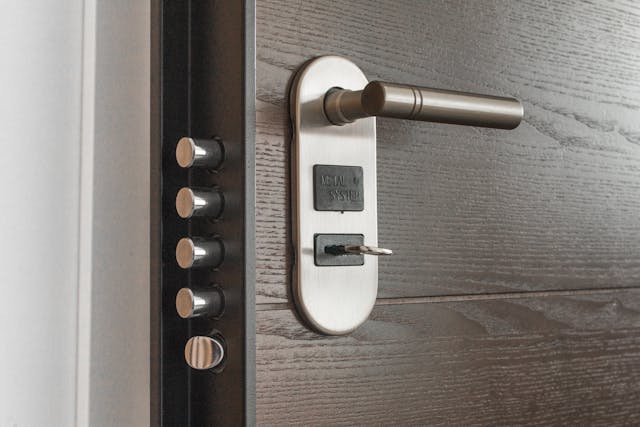
Door hardware isn’t just a practical necessity, it’s an opportunity to underscore the personality of your entryway. Swapping dated knobs for bold handles in finishes like brushed nickel, polished chrome, or oil-rubbed bronze is a straightforward project that brings an instant update. Consider upgrading the lockset for both improved security and visual impact, or select a distinctive door knocker or kick plate to add a dash of personality.
Coordinating these hardware choices with other front porch features, such as light fixtures, mailboxes, and house numbers, creates a polished, harmonious look. Unifying your hardware with a consistent finish and design language extends a sense of thoughtful planning, enhancing not only the entry door but the entire facade.
Remember, it’s often these small details, what guests touch and notice up close, that leave the strongest impressions and elevate the sense of craftsmanship and care.
Maintaining Your Entry Door
Good curb appeal isn’t achieved with a one-time investment; it’s an ongoing process that requires regular maintenance. Thoroughly clean your entry door at least once per season to remove dust, pollen, fingerprints, and smudges that accumulate over time. Inspect the surface for signs of fading, scratches, or peeling paint, and touch up trouble spots to prevent more extensive damage or weather-related wear.
Wooden doors should be inspected for signs of rot, cracking, or warping, and may need resealing every few years, especially in harsh climates. Fiberglass and steel doors generally offer superior durability but respond well to a coat of wax to keep their finish glossy and protect against rust or discoloration. Don’t forget the practical matters: check weatherstripping, hinges, and locks to ensure your door operates smoothly and efficiently. Proper care safeguards your investment and ensures your front door remains a lasting source of beauty.
Final Thoughts
Ultimately, a well-designed entry door acts as an investment in your home’s comfort and beauty. It creates a lasting first impression, uplifts curb appeal, and, even more importantly, reflects your personality and pride in ownership. By paying close attention to style, color, glass elements, and accessories, you can turn the entryway into a warm, welcoming focal point that enhances both functionality and aesthetics.
With consistent upkeep and minor periodic upgrades, your entry door will maintain its stunning appearance and add reliable value to your home for years to come, leaving visitors in awe every time they arrive.