

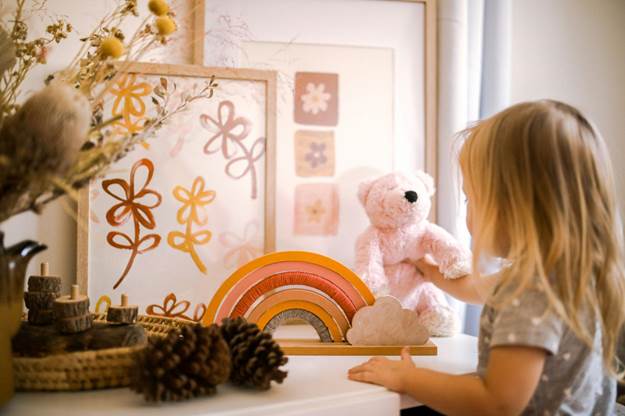
Toys are more than objects kids pull off shelves. They are tools kids use to explore the world, test ideas and build skills without even realizing they are learning.
Parents spend a lot of time choosing toys. Sometimes it feels like choosing a small life partner. But the best toys do a few key things: they hold attention, invite thinking and fit into the way kids move and play.
This article breaks down what good kids toys actually do, how to think about choosing them, and how thoughtful choices can make playtime more meaningful.
Play Is the Work of Childhood
For adults, play can look messy and random. For kids, it is serious business.
Through play, children:
- Explore cause and effect
- Test physical skills like balance and grip
- Practice social skills when playing with others
- Build curiosity by trying, failing and trying again
Toys provide a structure for play. They offer a starting point. The right toy makes play feel open-ended, not scripted.
What Makes a Good Toy
There is no perfect toy. But good ones share a few features.
They Invite Interaction
A toy that sits still does not hold interest. Toys that respond to touch, movement or imagination keep kids engaged.
They Hurt Less and Teach More
Safety matters. Toys that fit the child’s age and ability reduce frustration and risk. Good toys give just enough challenge to make success feel real.
They Grow With the Child
Some toys work only once. Others adapt. Block sets, puzzles and open-ended play pieces let kids use them in many ways as they get older.
Categories of Play and Skills They Build
Different toys support different types of development. Knowing this helps parents choose better.
Physical Play
Activities that build coordination and strength include:
- Balls of various sizes
- Ride-on toys
- Jump ropes
- Balance boards
These help kids learn what their bodies can do.
Creative Play
Creative toys spark imagination:
- Art supplies
- Dress-up clothing
- Building kits
- Figurines
Creative play is not about finished products. It is about process! Kids exploring ideas without pressure.
Cognitive Play
Cognitive toys challenge thinking and problem solving:
- Simple puzzles
- Matching games
- Sequencing sets
- Strategy games for older kids
These help kids learn logic, memory and planning.
Social Play
Toys that invite two or more players help with turn taking, negotiation and cooperation. Board games and group activities build social interaction skills.
What Kids Want Is Not Always What Adults Think They Want
Kids are not drawn to the most expensive toy. They often like toys that:
- Let them be in control
- Change based on how they play
- Fit the mood of the moment
A rolling ball, stackable cups or a few simple blocks can hold attention longer than a flashy gadget with lights that last five minutes.
How Play Changes With Age
Toddler Stage
Toddlers need toys that are big, easy to grasp, safe and simple. They explore with all their senses and repeat actions again and again.
Examples:
- Stacking toys
- Soft blocks
- Pull toys
Preschool Stage
Preschoolers enjoy pretend play and problem solving. Their imagination expands rapidly.
Examples:
- Dress-up sets
- Play kitchens
- Simple puzzles
Early School Age
At this stage, kids want more challenge. They prefer games with rules, construction sets and toys that let them build stories.
Examples:
- Strategy games
- Multi-piece building sets
- Art projects with steps
The Role of Open-Ended Toys
Open-ended toys do not tell kids what to do. They simply invite possibilities.
Block sets, simple figures and modular pieces let kids invent games rather than follow set instructions. These toys often stay relevant longer.
This is why many parents choose collections that can be used over years and in many ways.
How to Think About Toy Collections
Kids do not need a closet full of toys. A curated set is often better.
Ask:
- Does this toy invite multiple types of play?
- Does it grow with my child?
- Will it still be fun next week or next month?
Toys that pass these questions usually get more use and less clutter.
Screen Time vs. Tangible Play
Screens have a place. But tangible toys offer something screens cannot: real world cause and effect.
When a child knocks over a block tower, the result is immediate and physical. That matters. It builds understanding of how the world works.
Hands-on play is not anti-screen. It is complementary.
Choosing Toys on a Budget
Good toys do not have to be expensive.
Items that support open play (blocks, art supplies, balls, puzzles) can be affordable. Buying a few high-quality pieces is often better than a shelf full of cheaply made items that break quickly.
A thoughtful toy collection is about quality of experience, not price tags.
Safety Comes First
Always match toys to age recommendations. Small parts are a choking hazard. Hard edges can cause bumps. Quality toys clearly state what age range they are designed for.
This reduces risk and makes play more comfortable for both kids and parents.
Toys That Support Everyday Moments
Toys do not need to be reserved for special occasions. They can fit into everyday life. A morning block session, an afternoon drawing project, or a group puzzle in the evening adds routine structure that kids thrive on.
Integration into daily life makes toys feel less like objects and more like tools for growth.
What Research Shows About Play
Studies on child development consistently find that active play supports language skills, social interaction and confidence. When kids imagine scenarios, cooperate with others, or work through challenges, they practice skills that show up in school and relationships later.
Play is not filler time. It is meaning-making time.
The Parent’s Role in Play
Parents are not passive observers of play. The way adults frame play matters. A simple question like “What are you building?” prompts thinking. Sitting with a child during play models attention and engagement.
That does not mean directing every moment. It means being present when it counts.
Changing the Toy Mindset
The best toy strategy is not about keeping kids busy. It is about giving them tools they can use to explore, test ideas, and build confidence.
When parents think about toys in that way, play becomes less chaotic and more intentional.
Final Thought
Kids toys are more than entertainment. They are part of how children understand movement, relationships, thinking and the physical world.
Choosing toys that support active play helps kids build skills while having fun. With an intentional approach, toys become tools, not clutter.
Exploring high-quality toy collections lets parents make choices that feel right for their child and their family’s everyday life.