

Orthodontic care is no longer limited to the cumbersome, inconvenient processes of the past. In recent years, the field has undergone a dramatic transformation, thanks in large part to rapid advancements in dental technology and practice management. These changes are improving nearly every stage of the patient journey, from the moment someone steps into a clinic to the day their new smile is revealed. For those seeking cutting-edge care, an orthodontist Omaha can connect patients with the latest in orthodontic advancements right in their community, allowing access to top-tier care without traveling far from home.
These breakthroughs aren’t just changing how orthodontists work—they’re fundamentally transforming both everyday visits and long-term patient outcomes. Innovations such as digital impressions, clear aligners, artificial intelligence (AI), and teleorthodontics make orthodontic care more precise and comfortable than ever. Equally important, they empower patients with flexibility and greater involvement in their own treatment. In an age where convenience and customization are paramount, modern tools are making orthodontic care more patient-friendly at every turn.
Digital Impressions and 3D Imaging
Gone are the days of biting into awkward trays filled with sticky, putty-like materials to capture dental impressions. Digital impressions captured with high-resolution intraoral scanners now deliver a more comfortable, efficient patient experience. These handheld scanners quickly create an accurate digital model of the teeth and gums, eliminating the inconvenience and discomfort of traditional impression materials. The resulting 3D images allow orthodontists to visualize teeth, jaw alignment, and bite relationships with unparalleled clarity, which leads to more accurate diagnoses and treatment plans.
With these high-tech visualizations, orthodontists can simulate various treatment options and walk patients through expected outcomes before any work even begins. Additionally, three-dimensional imaging helps both doctors and patients better understand every step of the process, which makes shared decision-making much easier and far more transparent.
Digital workflows also eliminate many of the errors traditionally associated with physical molds. This means fewer retakes, faster lab turnaround times, and shorter overall treatment time. For children and adults who may have struggled with messy impressions or a gag reflex, the move to digital captures is a welcome change that directly improves comfort and convenience. In practice, this technology helps streamline the entire orthodontic process, reducing stress for both the patient and provider.
Clear Aligners
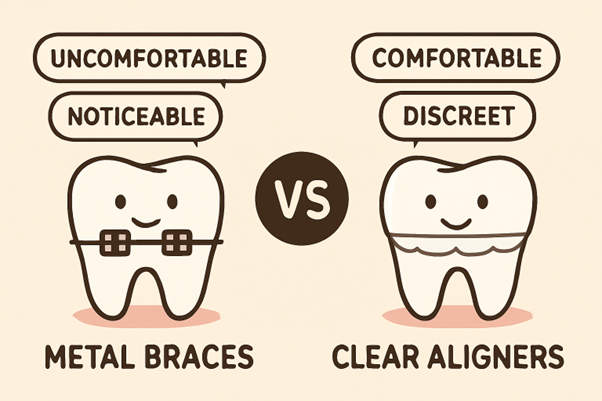
The arrival of clear aligners such as Invisalign has been nothing short of revolutionary for orthodontic care. These nearly invisible, removable trays are custom-fabricated for each patient using advanced 3D printing technology, allowing for a truly individualized treatment approach. As a result, clear aligners offer a seamless blend of discretion and comfort throughout the orthodontic journey, appealing to teenagers and adults who wish to straighten their teeth without the look or feel of metal braces.
Patients enjoy significant advantages: aligners can be removed for brushing, flossing, and eating, making oral hygiene easier and reducing dietary restrictions associated with traditional braces. Forget about avoiding popcorn, sticky candy, or crunchy fruits; with aligners, you can eat what you like and simply pop the trays back in when you’re done. The soft, smooth plastic material also minimizes irritation to gums and cheeks, resulting in a much more comfortable treatment experience, especially for adults with busy lifestyles or teens involved in sports and activities. Other benefits include fewer emergency visits—no broken wires or brackets to worry about—and the discretion that comes with a barely noticeable appliance. Numerous studies have demonstrated the effectiveness of clear aligners in treating a broad range of alignment and bite concerns, making them an excellent option for many patients seeking an alternative to metal braces.
The convenience and aesthetics of clear aligners have driven their rapid popularity. Their ability to provide significant orthodontic corrections—sometimes in less time than traditional braces—underscores how much modern treatment options have evolved to fit into busy, active lives.
AI and Machine Learning in Treatment Planning
Artificial intelligence and machine learning are rapidly elevating the quality and experience of orthodontic treatment in ways that were hard to imagine even a decade ago. By analyzing vast clinical datasets from previous orthodontic cases, AI-powered systems can suggest optimized tooth movement sequences, anticipate potential complications, and personalize every aspect of an orthodontic plan. This technology gives orthodontists a robust new set of tools to plan precise tooth movements, more accurately predict timelines, and reduce the number of unexpected events during treatment.
With AI-driven simulation tools, patients can see detailed digital previews of their expected outcomes, fostering trust and engagement throughout the process. This transparency not only helps reduce anxiety about the unknown but also enables patients to make informed choices about their care. For orthodontists, AI provides greater insight and the ability to make real-time, data-driven adjustments during treatment, which can speed progress, reduce the number of in-person visits required, and lower the risk of relapse or complications.
Remote Monitoring and Teleorthodontics
Modern lifestyles often demand flexibility, and orthodontic care is rising to meet that need with advances in remote monitoring and teleorthodontics. Patients can now schedule virtual consultations, submit progress photos from their smartphones, and communicate with their orthodontist through secure apps—all from the comfort and convenience of home. This approach not only saves time but also removes barriers to care for those with limited mobility or busy schedules.
Teleorthodontic platforms often use AI-driven tools to automatically review patient-submitted images to assess alignment progress, providing orthodontists with more frequent, data-driven updates without requiring patients to come into the office. This ongoing digital oversight empowers orthodontists to detect issues early and intervene promptly, often preventing minor problems from becoming major setbacks.
Convenience is essential for families or patients living in rural or underserved areas, as it eliminates the logistical challenges and costs of frequent in-person appointments. Online scheduling tools further simplify the patient experience, helping them book appointments, complete paperwork, and track treatment milestones without lengthy hold times or extra office visits. Teleorthodontics is fast becoming an essential component of modern dental care.
Conclusion
Technological progress has dramatically improved the landscape of orthodontic care. By embracing digital impressions, clear aligners, AI-powered planning, and remote care, patients and clinicians are experiencing greater comfort, accuracy, and accessibility than ever before. These advancements not only produce straighter teeth but also foster more positive, less stressful, and more transparent orthodontic journeys. As research and development continue, these improvements promise to enhance patient-centered care and widen access to healthy, confident smiles for all.