

From humid shore-season afternoons to heavy rain, freezing nights, and leaf-filled fall yards, New Jersey weather can quickly change pest behavior. It does not automatically cause an infestation, but it can make pests more visible as they search for water, food, warmth, or a dry place to shelter. For homeowners in Monmouth County and surrounding communities, Alliance Pest Services New Jersey is a useful local reference for residential pest control, termite control, rodent concerns, and mosquito and tick services. Alliance Pest Services has served New Jersey homes and businesses since 1983, with locations including Tinton Falls, Fort Lee, and Metuchen, and its pest education resources reflect issues commonly seen across the state.
The best response is usually not to react to one insect after a storm. Instead, inspect the property, identify what you are seeing, and address the conditions that support pest activity. Moisture control, sanitation, yard maintenance, and exclusion work together to make a home less inviting year-round.
Why Weather Changes Pest Activity
Pests respond to their surroundings. A dry period may send ants toward indoor moisture, while saturated soil may force insects out of nests near patios, foundations, or mulch beds. As temperatures fall, mice may seek out garages, basements, attics, and wall openings for warmth. Conditions on the property matter too, including drainage, nearby trees, dense landscaping, clutter, cracks, and access to food.
Homeowners can use an integrated pest management approach by monitoring activity, accurately identifying the pest, preventing access to food and shelter, and using targeted control methods only when needed. This practical approach helps avoid treating the wrong problem.
What Heavy Rain and Storms Can Do
Strong storms can alter pest conditions in a single day. Wet soil may disturb ants and other ground-dwelling insects. Clogged gutters, children’s toys, planters, tarps, and other containers can hold water that supports mosquito development. Fallen limbs, stacked debris, and damp leaf piles can also create cover for insects and rodents.
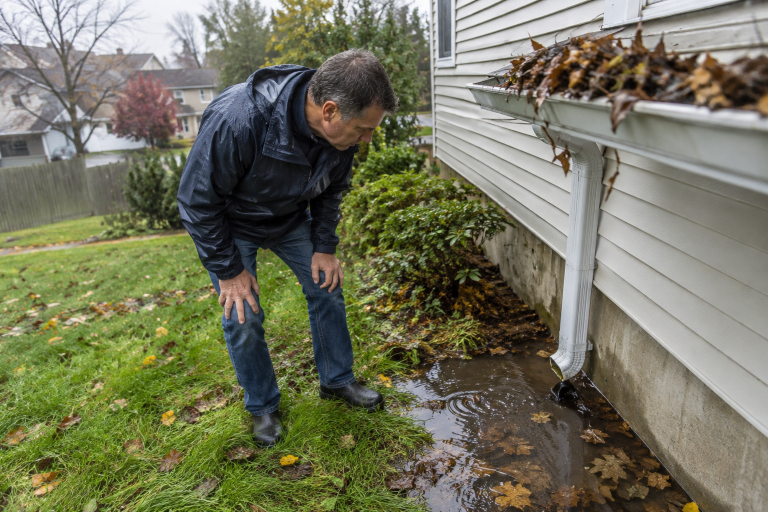
After major rainfall, walk around the property when it is safe. Clear gutters, confirm that downspouts direct water away from the foundation, and look for pooling near crawl-space vents or basement walls. Check screens, exterior doors, utility openings, and damaged siding for new gaps.
Spring Pest Activity
Warmer temperatures and seasonal rainfall often bring a noticeable rise in activity. Ant trails may appear near kitchens, doors, windows, and patios. Winged insects near windows or light fixtures deserve a closer look, especially if they appear repeatedly. Moist areas around foundations, plumbing, crawl spaces, and basements can also become attractive pest zones.
Spring Prevention Steps
- Remove leaves and debris from gutters and window wells.
- Trim shrubs and branches so they do not rest against siding or rooflines.
- Repair torn screens, worn door sweeps, and loose weatherstripping.
- Keep firewood raised off the ground and away from exterior walls.
Summer Pest Activity
Summer humidity, outdoor cooking, open doors, pet bowls, and frequent rain can create opportunities for many pests. Watch for mosquitoes around standing water, ants near spills and trash, flies around garbage and pet waste, and wasps near decks, sheds, eaves, and wall openings. Ticks are also a concern in tall grass, brush, leaf litter, and wooded edges.
Empty water-holding containers at least weekly, keep trash lids closed, clean food spills promptly, and keep commonly used lawn areas trimmed. After time outdoors in brushy or wooded places, check people and pets for ticks. If a tick is attached, remove it promptly with clean, fine-tipped tweezers, and seek medical advice if a rash or fever develops in the following days or weeks.
Fall Pest Activity
Fall is an ideal time to focus on exclusion. As evenings cool, rodents and some insects may look for protected indoor areas. Small gaps around pipes, wires, vents, garage doors, siding, soffits, crawl-space doors, and foundation cracks can serve as entry points.
Fall Storage and Exterior Tips
- Store pantry goods and pet food in sealed containers.
- Use plastic bins rather than loose cardboard for seasonal storage when possible.
- Remove fallen fruit, excess plant debris, and clutter near the house.
- Inspect weatherstripping below exterior and garage doors.
Winter Pest Activity
Cold weather does not end pest concerns. Heated homes can support rodents, cockroaches, spiders, and insects that found their way indoors earlier in the year. Check attics, basements, garages, crawl spaces, utility rooms, and storage areas for droppings, gnawed packaging, scratching sounds, shed skins, grease marks, or repeated sightings.
Winter is also a useful time to repair gaps, address plumbing leaks, reduce clutter, and review food storage habits before spring activity resumes.
A Simple Home Inspection Checklist
Outside the Home
- Look for standing water, blocked gutters, and poor drainage.
- Inspect foundation areas, vents, screens, door seals, and utility penetrations.
- Move wood, mulch, and stored materials away from the siding.
- Cut back plants that touch the structure.
Inside the Home
- Check beneath sinks and around appliances for leaks.
- Clean crumbs, spills, and pet-feeding areas regularly.
- Watch for nests, wings, droppings, damaged materials, and unusual odors.
- Reduce storage clutter in basements, closets, attics, and garages.
When to Seek Help
Basic prevention strategies may be insufficient if pests persist after addressing moisture, food, and entry points. Professional assistance is advisable for issues like termite damage, rodent infestations, stinging insects near entrances, food contamination, or unidentified pests. Essential questions to ask include the type of pest, its origin, the conditions that support it, prioritized prevention measures, and the need for follow-up monitoring. Regular inspections can mitigate the impact of changing weather conditions on pest problems in New Jersey homes.