

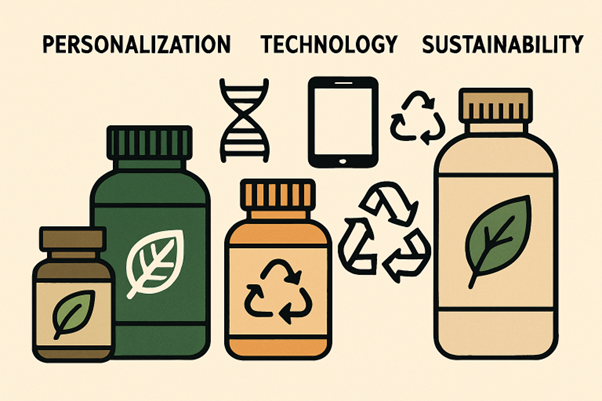
The landscape of health and wellness is rapidly shifting due to the rise of private-label supplements. As consumers demand higher-quality, more personalized products, innovation in the supplement industry has accelerated. Private-label supplement companies empower brands to meet these demands with unique offerings tailored to specific consumer needs. By bypassing traditional one-size-fits-all formulas, modern supplement brands can focus on bespoke solutions tailored to individual health goals, dietary restrictions, and lifestyle factors. To understand the future of health and wellness, it is essential to examine how private label supplement companies are driving personalization, sustainability, and innovation. These significant shifts are shaping expectations around health supplements and transforming the industry. They indicate a comprehensive rethinking of health solutions and proactive wellness. Current supplement brands leverage advanced technology and data to enhance product quality and improve consumer health. Innovations in sourcing ingredients, transparency in formulations, and customer engagement are propelling the sector forward. As demands for transparency and customization increase, more consumers are pursuing supplements that align with their personal biological profiles and values, prompting brands to invest in research and education to build trust.
Personalization and Customization
Consumers are moving away from generic health solutions and increasingly pursuing supplements tailored to their unique biology and lifestyles. With powerful advances in biotechnology, it is now possible to use genetic and microbiome testing to develop deeply personalized nutrition plans. Leading private label brands leverage individual genetic data, comprehensive lifestyle assessments, and even wearable tech insights to determine the most effective nutrient compositions for each consumer. This fusion of technology and nutrition means that your fitness level, sleep patterns, and even data from smartwatches can help design a custom supplement. This level of customization improves supplement effectiveness and elevates satisfaction because users receive products specifically aligned to their health goals. Personalization is also changing the relationship between consumers and supplement brands, leading to greater engagement and loyalty through bespoke wellness experiences.
Technological Integration
Technology plays a pivotal role in advancing the capabilities of private label supplements. Artificial intelligence (AI) algorithms now analyze vast amounts of consumer data, including biometric and lifestyle inputs, to develop optimized supplement formulations. The use of machine learning allows companies to continually update and improve products based on evolving scientific research and consumer feedback. Big data enables rapid product development and continuous formula updates in response to emerging health trends and scientific findings, enabling brands to launch targeted supplements at unprecedented speed. This marriage of health science and technology not only increases product quality but makes high-level personalization scalable for businesses and consumers alike. Customization at scale, once unthinkable, is now a reality because of these innovations.
Sustainability Practices
Modern supplement buyers are highly aware of the environmental and ethical implications of their purchases. As a result, private label supplement brands are integrating sustainability at every stage, from ingredient sourcing to packaging. Many companies are turning to renewable plant-based ingredients, supporting regenerative agriculture, and prioritizing traceable supply chains. Responsible sourcing practices not only protect biodiversity and local communities but also provide consumers with essential information about product origins. Packaging innovations include compostable pouches and recyclable bottles, responding to consumer demand for minimal environmental impact. Some brands even employ biodegradable labels or inks derived from natural sources. Transparent sustainability practices enable brands to build long-term trust and loyalty among eco-conscious customers, who increasingly want proof that their purchases support a healthier planet.
Innovative Delivery Systems
Innovative delivery systems for supplements, such as chewable gummies, dissolvable tablets, functional beverages, and sublingual sprays, have transformed the user experience by making supplementation more enjoyable and accessible for people of all ages. These alternatives promote greater compliance and consistent results, particularly for those who find traditional forms challenging. The convenience of single-serve sachets, travel packs, and liquid shots supports adherence to supplementation routines, especially for those with on-the-go lifestyles. Furthermore, the rise of functional foods, such as fortified snacks and beverages, enhances the integration of supplements into everyday diets, fostering stronger consumer connections and enabling brands to meet diverse individual needs effectively.
Focus on Mental Wellness
There is an increasing acknowledgment of the link between mental health and physical wellness, leading to a rise in the popularity of supplements aimed at cognitive function, mood support, and stress balance. These supplements often include ingredients such as adaptogens, nootropics, and botanical extracts, all recognized for enhancing mental well-being. Research supports the efficacy of ingredients like ashwagandha and L-theanine for resilience and emotional balance. For brands to succeed in this market, they must create innovative, evidence-based formulas with clear scientific support and transparent labeling. As noted by Healthline, cognitive-supporting supplements are gaining importance in daily wellness, facilitating stress management and emotional stability while providing brands the chance to connect with consumers on mental health issues, including stress and cognitive decline.
Conclusion
The private-label supplement industry is at the epicenter of health innovation, shaping an era in which wellness is deeply personal, sustainable, and driven by science. By harnessing the power of personalization, cutting-edge technology, and sustainable business practices, brands can exceed consumer expectations for quality and efficacy. Embracing new delivery systems and focusing on holistic wellness, especially mental health, positions these brands to play a vital role in shaping the future of how we think about nutrition and well-being. As consumers continue to seek transparency and customized solutions, private label supplements will remain a driving force in the evolution of health and wellness. The brands that will thrive in this rapidly changing landscape are those that prioritize customer empowerment, environmental responsibility, and evidence-based innovation.