

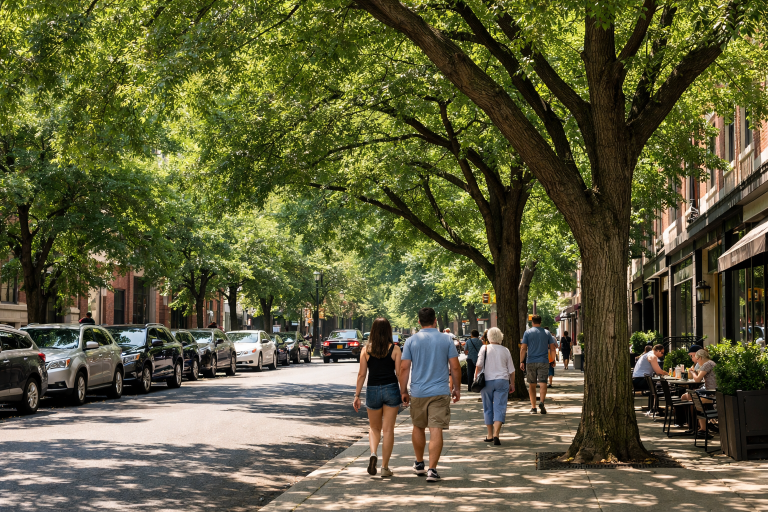
Urban trees are essential assets for cities, transforming streets and parks into healthier, more pleasant places to live. These living landmarks offer shade, cleanse the air, reduce noise pollution, and promote psychological well-being. However, they are subjected to a range of stressors unique to city environments that threaten their survival. When severe weather, construction, or disease weakens a tree, knowing where to find emergency tree removal is crucial for safety and urban management. Keeping city trees in top condition goes beyond aesthetic benefits. Urban trees cool neighborhoods, increase property values, and provide habitat for birds and pollinators, all while navigating daily threats like compacted soil, limited growing space, and exposure to pollutants. Proactive tree care benefits everyone who lives, works, or visits urban spaces.
Importance of Urban Trees
City trees play a critical role in combating the urban heat island effect by shading streets and sidewalks and releasing moisture through their leaves. This natural cooling can make a noticeable difference in urban temperatures. For example, a study highlighted in Nature Communications found urban areas with trees are nearly half a degree cooler on average than those without, demonstrating their crucial impact in urban design and public health.
Trees also significantly improve air quality by filtering out dust, smoke, and pollutants, making city air safer for all residents. Their ability to sequester carbon helps cities meet climate targets while providing quiet spaces for relaxation and recreation, which are increasingly important in densely populated environments. Moreover, the psychological advantages of trees have been well documented. Numerous studies show that green spaces, especially those with mature trees, are directly linked to lower stress levels, lower rates of depression, and better overall mental health. Parks and green boulevards can transform a sterile cityscape into an inviting space for social gatherings and peaceful reflection. Trees are also essential for biodiversity, supporting a web of life that ranges from beneficial insects to songbirds, all of which contribute to a balanced and healthy city.
Common Challenges for Urban Trees
Despite these advantages, urban trees face significant threats. Limited rooting space restricts growth, and compacted soils stunt root development, making it harder for trees to draw in water and nutrients. Traffic pollution, vandalism, and inadequate watering further exacerbate stress on city trees, increasing their vulnerability to pests and diseases. One recent study on city tree microbiomes shows that urban trees often host more harmful microbes than their rural counterparts, impacting their long-term resilience. Another challenge unique to city life is the prevalence of heat and drought conditions created by impervious surfaces such as pavement and buildings. Trees in these environments need extra care to cope with higher surface temperatures and rapid evaporation. Physical damage from vehicles, salt runoff from winter road treatments, and exposure to utility lines above or below ground can also inhibit their growth and longevity. Combined, these challenges make it clear why urban trees require careful selection, placement, and ongoing stewardship.
Proper Planting Techniques
Success in maintaining healthy street trees starts with proper planting. Selecting a species matched to the local climate and site conditions is the first step. The tree must be planted at the correct depth so roots can expand and anchor properly. If necessary, stakes should be used for support until the tree is established, and watering should begin immediately after planting. Adhering to best practice planting guidelines, such as those provided by the Arbor Day Foundation, helps ensure successful establishment and reduces the risk of premature tree mortality.
In addition to right-site and right-species practices, it is important to consider the long-term needs of the tree and surrounding infrastructure. Planting strips with sufficient soil volume helps roots develop, and installing root barriers can reduce future conflicts with pavement. Modern urban design sometimes incorporates permeable pavement and structural soils, innovations that specifically support tree health in the challenging city context.
Regular Watering and Mulching
In the early stages, consistent watering is vital. Young city trees should receive 5-20 gallons of water per week, with adjustments based on rainfall and heat. Using mulch is equally important. Mulch conserves soil moisture, suppresses weeds, and insulates roots from temperature swings. However, care must be taken not to allow mulch to accumulate directly against the trunk, as this can promote disease and decay. Mulching should be renewed annually to maintain its benefits, and its depth should be monitored to prevent smothering the tree’s root flare. Mulch also plays a key role in keeping soil temperatures moderate and reducing compaction from pedestrian and vehicle traffic. Smart irrigation systems and rainwater harvesting techniques can further boost water efficiency, making urban tree care more sustainable and climate-resilient.
Pruning and Disease Management
Pruning is an important maintenance practice that helps trees grow strong and healthy. Professional pruning removes dead, diseased, or hazardous branches that could pose risks to pedestrians and vehicles. Early identification of disease or pest infestation also allows for timely intervention, saving both the tree and city resources. Many cities encourage proactive monitoring and host training workshops for best pruning practices, as noted by public resources. Regular inspections can also identify non-structural issues, such as girdling roots or mechanical injuries, which can be addressed early before they worsen. Integrating integrated pest management (IPM) approaches reduces the reliance on chemical interventions while supporting ecological balance. Disease-resistant cultivars or multi-species plantings help buffer entire neighborhoods against outbreaks of specific pests and pathogens, contributing to urban forest resilience and longevity.
Choosing Resilient Tree Species
The importance of selecting resilient species cannot be overstated. Trees like the Eastern Redbud, Japanese Maple, and Crape Myrtle excel in urban settings thanks to their compact roots, adaptability, and disease resistance. Choosing species adapted to local environmental pressures reduces maintenance and increases the likelihood of long-term survival. Lists of suitable species are often available from city forestry departments or local universities. Incorporating a diversity of tree species into the urban landscape reduces cities’ vulnerability to new diseases or pests that may target a single species. By planting a varied mix, planners help ensure the continuity of canopy cover even if one species suffers a setback. Additionally, native trees often fare better and support more wildlife, while non-invasive ornamentals can bring seasonal interest and color to parks and sidewalks.
Community Involvement and Education
Urban tree health is a shared community responsibility. Neighborhood involvement in tree planting and care fosters stewardship and helps catch problems early. Educational campaigns in schools and local events can raise public awareness about watering needs, pruning, and other best practices. Many cities report better tree survival rates and greater public appreciation when residents are actively engaged in their care. Volunteer tree programs and adopt-a-tree initiatives give citizens a practical role in monitoring tree conditions and reporting damage or disease. Public-private partnerships often provide the resources needed to plant and maintain trees, particularly in underserved neighborhoods. When people understand the value of urban trees, they are more likely to support funding, protection measures, and daily maintenance activities, creating a positive feedback loop that benefits the whole community.
Conclusion
Protecting and nurturing city trees requires comprehensive action: smart planting, consistent care, resilient species selection, and community engagement. By applying these principles, cities can maintain vibrant urban forests that support public health, enhance neighborhood beauty, and ensure critical ecological functions endure for generations. The collective benefits that urban trees offer go far beyond aesthetics. When communities invest in their city’s green canopy, they contribute to cooler temperatures, cleaner air, greater biodiversity, and a stronger sense of community. Educating residents, supporting municipal forestry programs, and prioritizing sustainable practices ensure that urban trees thrive now and into the future, serving as vital partners in building healthy, resilient cities for everyone.