

Maintaining the plumbing in your home isn’t just about comfort—it’s about protecting your space from expensive disasters. Simple, preventive steps help you avoid major repairs while ensuring life runs smoothly daily. By proactively caring for your plumbing, you can keep everything—from showers to laundry—working without interruption. If you ever need expert advice or reliable service, Afford A Rooter offers professional support to keep your home’s water systems in top condition.
Many homeowners overlook their plumbing system until a problem demands urgent attention. Preventive measures, however, protect against sudden leaks or blockages and increase the lifespan of pipes, water heaters, and appliances. Proper plumbing maintenance brings peace of mind and can save significant money in the long run.
Establishing good habits and scheduling periodic checks ensures you can detect minor issues before they become costly emergencies. Attention to your plumbing helps prevent mold growth due to leaks and burst pipes during winter. A few practical tips and a little diligence go a long way in keeping your home dry, functional, and comfortable.
Regular Inspections
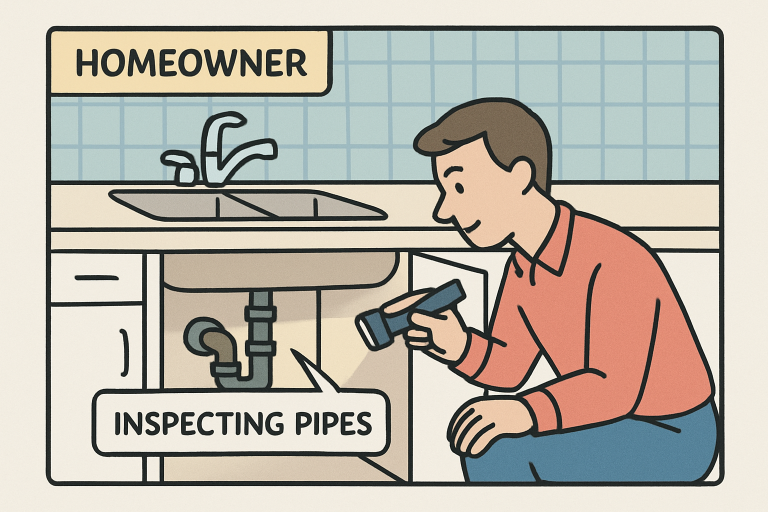
Make it a habit to inspect your plumbing routinely for early warning signs. Walk through your home every few months and look under sinks, around water-using appliances, and at visible pipes. Watch for drips, moisture, discoloration, and corrosion—typical signs of trouble brewing. Early detection lets you handle repairs before the problem spreads, minimizing inconvenience and cost.
Proper Drain Care
Clogged drains can cause everything from slow sinks to costly backups and water damage. Prevent problems by being mindful of what goes down your drains. Never pour grease down the kitchen sink; always dispose of coffee grounds and food scraps in the trash or compost. Installing drain strainers in sinks and showers catches hair and debris, substantially reducing clogs.
- Avoid dumping oils, fats, and greasy substances in your pipes.
- Rinse drains regularly with hot water to prevent the buildup of residues inside the pipes.
- For minor clogs, try a gentle, eco-friendly solution of baking soda and vinegar followed by hot water.
If clogs occur often or stubborn blockages persist, bypass chemical drain cleaners, which can harm your pipes, and consult a professional for a thorough cleaning.
Monitoring Water Pressure
Excessively high water pressure can silently damage pipes, joints, faucets, and appliances, eventually causing leaks and bursts. A simple pressure gauge from your local hardware store will let you monitor your home’s water pressure. Keep it in the recommended 40-60 psi range for most households. Installing a pressure regulator is wise if your readings are consistently over the safe limit.
Are you unsure what your pressure should be? The Family Handyman guide offers detailed steps for checking and adjusting home water pressure.
Protecting Pipes from Temperature Extremes
Pipes are particularly vulnerable to extreme cold, which can cause water to freeze and pipes to burst, or to heat, which prompts expansion and cracking. Key ways to safeguard your pipes include:
- Applying foam insulation to exposed pipes in unheated spaces, like basements, garages, and crawlspaces.
- Letting a faucet drip slightly during freezing temperatures keeps water moving and prevents ice blockages.
- Sealing any drafts or gaps in walls or around pipes that lead outdoors, especially as winter approaches.
According to the Environmental Protection Agency (EPA), these simple preventive measures significantly reduce your risk for emergency repairs and water waste.
Maintaining Water Heaters
Your water heater works year-round, so annual maintenance is a must. Sediment buildup in the tank can diminish efficiency and even lead to premature failure. To care for your unit:
- Drain several gallons from the tank yearly to flush out sludge and mineral deposits.
- Test the pressure relief valve to ensure it’s working correctly—a stuck valve can turn your tank into a hazard.
- Inspect the area around your water heater for wet spots, rust, or unusual noises, which may signal trouble.
Minor maintenance keeps your water heater functioning efficiently, prevents inconsistent hot water, and extends lifespan. If you’re unsure about servicing your system, call a plumber for a professional checkup.
Addressing Leaks Promptly
Even a minor leak can waste hundreds of gallons of water and create the perfect mold and structural damage environment. Check often under sinks, behind appliances, and shutoff valves for unexplained moisture. Water stains on floors or walls, a musty smell, or a higher water bill are all red flags. Act quickly to repair leaks and, in the meantime, shut off the water supply to affected fixtures to mitigate damage.
Professional Inspections
While regular self-checks are helpful, hiring a licensed plumber for an annual inspection is an investment in your home’s health. Professionals can spot concealed problems such as deteriorating pipes, sewer line blockages, or hidden leaks using advanced tools and experience. A plumber can also provide solutions you may not have considered and offer advice specific to your home’s plumbing system.
Early intervention, guided by a professional, prevents emergencies and significantly reduces long-term repair costs, ensuring your system stays reliable for years.
Consistent plumbing maintenance involves adopting smart habits and acting quickly when something feels off. Following these tips and using expert resources, you’ll build a strong foundation for a worry-free home. Always stay attentive, and trust qualified professionals with more advanced work when in doubt.