

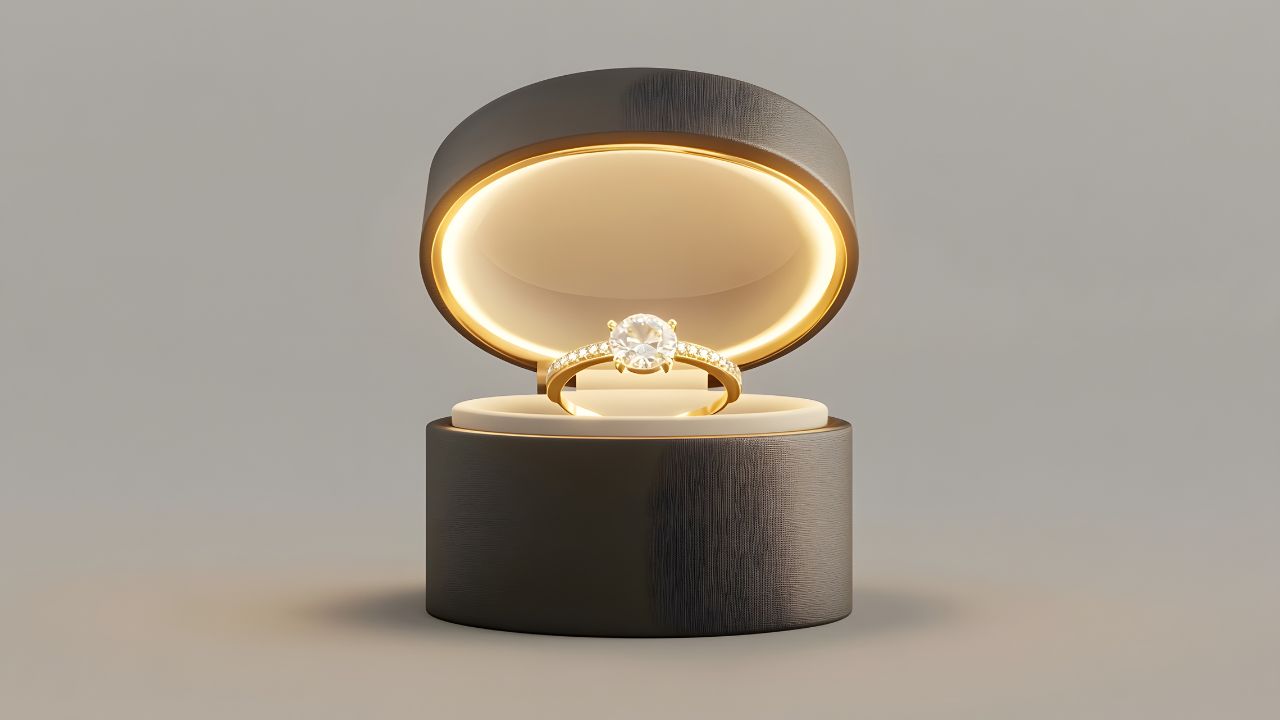
Engagements sit in a curious place between the old world and the new. The tradition itself has barely changed – someone asks a question, someone answers, a ring appears. Yet the thinking behind that ring has undergone a quiet transformation. Taste, symbolism and cultural values are now part of the conversation in a way they were not a few generations ago.
People today spend more time considering where things come from. Food, clothing, furniture and even travel are viewed through a lens of ethics and sustainability. Jewellery has naturally entered that discussion. The idea of choosing ethically made engagement rings reflects a desire for romance that feels good not just emotionally but morally.
How the Conversation Started
The ethical discussion around engagement jewellery did not begin as a trend. It grew out of complex histories involving mining, trade routes and environmental impact. News stories in the late twentieth century brought attention to issues in diamond mining regions, and consumers began asking difficult questions. Couples who were preparing for a lifetime commitment wanted reassurance that their symbol of love was not tethered to suffering.
That early wave of awareness encouraged jewellers and innovators to explore alternatives. It also introduced transparency as a form of luxury, which was a novel idea at the time. Knowing how and where a ring was crafted became part of its value.
Beyond the Diamond
The ethical shift also coincided with a broader reimagining of what an engagement ring could look like. Though diamonds retain a powerful cultural presence, people have become more open to different stones and materials. Laboratory grown diamonds and moissanites emerged as compelling options. They offer the brilliance that engagement rings are known for, without requiring mining at all.
Coloured gemstones found renewed interest as well. Sapphires, morganite and spinel introduced hues that range from cool twilight blues to warm peachy tones. Each stone invites its own story. A teal sapphire might remind someone of the coastline where they met. A pale pink stone might feel quietly romantic rather than traditional.
The Role of Craftsmanship
Ethics in jewellery is not only about materials. Craftsmanship matters too. The quality of metalwork, the environment in which artisans work and the level of skill involved all shape how the final ring is perceived. The resurgence of small studios and local workshops reflects a cultural appetite for objects made with intention.
When jewellers speak about their work, they often mention the quiet precision that goes into each piece. Setting a stone securely without overwhelming it is a fine balance. Polishing a band so it feels smooth throughout a lifetime requires attention and patience. Ethical practice, in this sense, blends responsibility with artistry.
Materials and Traceability
Traceability has become central to the conversation. People want to know where their metal was sourced, whether it is recycled or newly mined, and how it was refined. Recycled metals have gained popularity because they reduce demand for new extraction. They can be remelted and reshaped without losing quality.
For stones, traceability varies depending on the type. They can have transparent supply chains, or in the case of laboratory grown stones, a production environment that is easier to document. These details are rarely visible to the naked eye, yet they influence how the wearer feels about the ring. Jewellery becomes more meaningful when it aligns with personal values.
How Couples Navigate the Choice
Even with all this awareness, choosing an engagement ring remains emotional and sometimes overwhelming. Couples find themselves balancing aesthetics with ethics, tradition with modern preferences. There is no single correct approach. Some prioritize the origin of materials above all else. Others care most about the longevity of the design, or the symbolism of the stone.
Often, research unfolds slowly. Partners scroll through images late at night. They learn the vocabulary of cuts, settings and metals. They stumble upon stories of reclaimed stones or recycled gold. They might discover that their dream ring is something they had never seen before. This exploration can be surprisingly intimate. It is not just about an object but about how two people imagine their future together.
Engagement Rings as Cultural Objects
Rings have always held cultural meaning. Ancient Egyptians exchanged rings as tokens of eternity. Victorians infused rings with symbolism through gemstones and floral motifs. The modern idea of a diamond engagement ring is less than a century old, yet it feels entrenched. That tells us how powerful cultural stories can be.
The ethical dimension of jewellery introduces a new layer to that story. It acknowledges that love exists within a broader world and that choices can reflect both affection and awareness. Ethically minded rings do not reject romance. They reshape it so it feels more in tune with contemporary life.
The Proposal and the Aftermath
When the proposal finally happens, conversations about sourcing and craftsmanship briefly fall away. In that moment, the ring is about connection. The shock, the laughter, the nerves, the yes. Later, as the ring becomes part of daily life, its origin story quietly returns. It becomes a private satisfaction, knowing that the object on the hand aligns with personal truth.
People often describe how the ring changes over time. Micro scratches appear on the band, tiny nicks form in the metal, and the setting becomes as familiar as a favourite piece of clothing. Nothing stays pristine forever, which is part of its charm. A ring lived in is a ring loved.
A Broader Definition of Beauty
One of the most interesting outcomes of the ethical movement in jewellery is how it has expanded the definition of beauty. Perfection is less central. Character matters more. The idea that a ring could be beautiful because of where it came from, how it was made or what it represents would have confused earlier generations. Today it feels surprisingly natural.
This broadened definition allows for greater diversity. Rings can be minimalist, ornate, vintage inspired or sleekly modern. They can incorporate stones with tiny inclusions that tell a geological story or gems with dazzling clarity. They can be crafted from recycled metals or carry a traceable provenance. The choice reflects individuality as much as ethics.
Why This Shift Matters
The interest in ethically minded rings might seem niche, but it reflects a larger cultural conversation. People are redefining what responsibility looks like in intimate spaces, not just public ones. An engagement ring is ultimately a symbol, but symbols are powerful. They communicate not only commitment and love, but also identity and values.
The most compelling part of this evolution is that it has not dampened the romance of engagements. Proposals are still emotional, rings still sparkle, families still cry or cheer. The difference is that couples now have a language for expressing care that reaches beyond their relationship. It acknowledges the world around them without diminishing the joy of the moment.
In the end, love has always been about intention. Ethical jewellery simply extends that intention into the material realm, letting the ring speak quietly for the person who wears it and the person who offered it.