

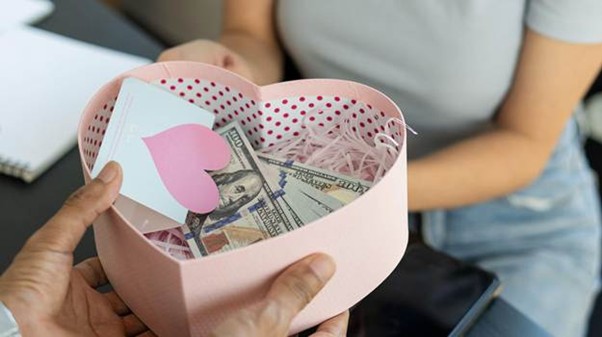
Borrowing money is sold like a lifestyle. The ads show perfect kitchens, perfect vacations, perfect families framed in perfect lighting. What they do not show is you, three years later, still making payments on the trip you barely remember.
Lenders excel at making borrowing look harmless. But money has a cost. It’s not a hidden secret, more like the fine print at the bottom of an Instagram partnership post. Most people don’t read it, which is how it stays profitable.
Interest Rates: The Part That Sneaks Up
Interest is quiet. It doesn’t announce itself. It doesn’t post reminders. It just accumulates, in small percentages, until it’s big enough to be noticed. The Compound Interest Calculator from Investor.gov is basically the opposite. It shows you exactly how that “quiet” number grows, and it is disturbingly good at ruining any illusions you had about “manageable” interest.
There’s also the question of type. Fixed, variable, compound. The wrong choice for your situation can inflate the cost dramatically. It’s like signing up for a phone plan without checking the roaming charges, then wondering why your bill tripled after a weekend trip to Buffalo.
Fees Are the Real Plot Twist
Fees are the best-kept secret in lending. They don’t have glossy marketing campaigns. They don’t trend. They just exist, quietly, until they hit your account.
Origination fees. Early repayment fees. Annual fees. You can pay on time, every time, and still owe extra just for the privilege of having the loan. That’s why running the numbers before you sign matters. Guides like calculating the cost of borrowing money strip out the aesthetics and show you the math in black and white.
Why the Term Length Is a Bigger Deal Than You Think
Lenders love long repayment terms. It makes the monthly payment look harmless, manageable, almost friendly. But stretching out the timeline gives interest more time to do its work.
Choosing a shorter repayment term might feel aggressive, but it contains the total cost. It’s like finishing a home reno on time instead of dragging it out for another six months. The work gets done. The bills stop sooner.
Minimum Payments: The Slow Drip
Minimum payments are designed to keep you comfortable, which also keeps you paying. It feels manageable because it’s meant to. But only paying the minimum is like filling a bathtub with the faucet still running. You’re working, but the balance isn’t shrinking much.
Understanding how much extra you need to pay each month to actually cut down the principal can shave years off your repayment timeline. Years that you could be putting that money toward something else, like literally anything else.
The Psychology of Borrowing
Debt feels abstract until it isn’t. When you sign the paperwork, it’s just numbers on a page. When the payments start, it becomes a routine. And once something becomes a routine, it stops feeling urgent, which is how it stays in your life longer than it needs to.
Being aware of the cost keeps it in focus. It’s not about living in fear. It’s about staying awake.
The Bottom Line
Borrowing is not inherently bad. It can bridge gaps, fund emergencies, and create opportunities. But understanding its cost is what separates a smart decision from an expensive habit.
The marketing will always make it look easy. Your job is to see past the surface, run the numbers, and decide if it’s worth what you’re actually going to pay.