

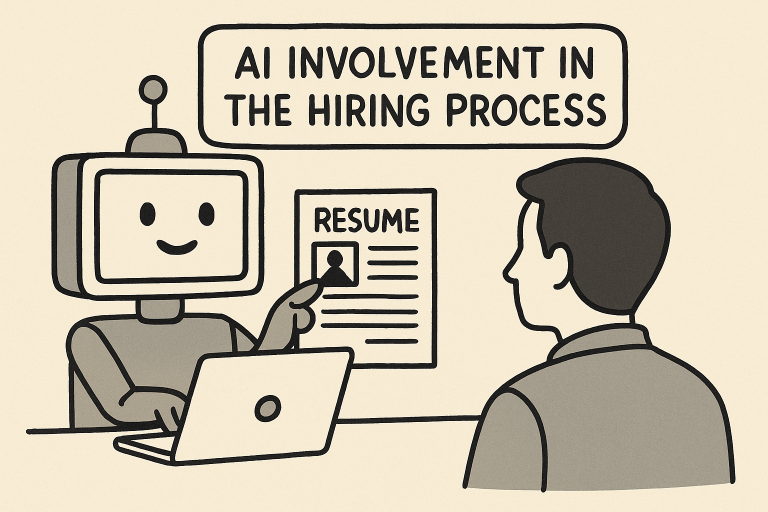
Artificial intelligence (AI) is rapidly transforming the way organizations approach recruiting, making hiring processes more streamlined and data-driven. Companies across industries now harness AI to automate routine tasks, analyze candidate data, and even conduct initial interview assessments. As businesses compete for top talent in a digital-first landscape, integrating AI into the interviewing process is no longer optional—it’s essential for staying ahead.
AI-driven recruitment is transforming hiring by prioritizing speed, efficiency, and unbiased decision-making. Automation allows recruiters to source, screen, and engage candidates on a much larger scale, shifting recruitment from manual tasks to tech-enhanced strategies. Key factors driving this shift include high application volumes, the need for enhanced candidate experiences, and the goal of minimizing unconscious bias. As AI adoption grows, organizations must update their hiring strategies to incorporate innovative, compliant solutions that support overall business objectives.
Popular AI Technologies Used in Interviews
Screening and Shortlisting
Advanced AI platforms can quickly filter resumes, highlight qualified candidates, and flag potential mismatches based on predefined criteria. Tools like ATS (Applicant Tracking Systems) and automated chatbot screeners can assess educational backgrounds, skills, and relevant experience while eliminating manual errors.
Interview Scheduling and Coordination
AI-driven scheduling assistants minimize email back-and-forth, automate time zone conversions, and enable seamless coordination between interviewers and candidates. Virtual assistants analyze calendar availabilities to propose optimal meeting times, enhancing overall efficiency.
AI-Powered Interview Assessments
Natural Language Processing (NLP) and machine learning algorithms power video interview tools. These platforms evaluate speech patterns, facial expressions, and language complexity to generate unbiased candidate insights. Such technologies also ensure that structured interviews are conducted consistently, regardless of the variability among interviewers.
Benefits and Challenges of AI in Interviewing
Improved Speed and Efficiency
AI in interviewing accelerates candidate screening, reduces administrative workloads, and enables faster time-to-hire. Automation enables organizations to focus their resources on high-value interactions—such as final interviews and strategic discussions—rather than repetitive tasks.
Cost Savings for Employers
By eliminating manual processing and improving hiring accuracy, AI delivers substantial cost savings. Reduced turnover and more accurate role matching further enhance return on investment (ROI) for employers.
Potential Limitations
Despite these benefits, the implementation of AI brings challenges. The quality of AI-driven recommendations depends heavily on the quality and diversity of input data. Over-reliance on algorithms without proper oversight may result in missed context or human decision errors.
Addressing Bias and Ensuring Fairness
While AI can help minimize some forms of bias, it may also amplify existing societal and organizational prejudices if not carefully managed. Types of AI bias that can arise include data-driven bias (inherited from past hiring practices), algorithmic bias (from flawed model design), and systemic bias embedded within datasets.
Effective strategies to mitigate these risks include regularly auditing AI models, utilizing anonymized application data for initial screenings, and engaging diverse stakeholders in the implementation of AI. Transparent documentation and ongoing evaluation of bias are crucial.
Setting Ethical Guidelines for AI Usage
The widespread adoption of AI in hiring calls for robust ethical standards. Transparency is key—candidates should be informed when AI is involved in the evaluation process. Responsible AI usage also entails safeguarding candidate privacy, explaining the decision-making logic, and providing avenues for applicants to provide feedback or contest outcomes.
Globally, governments and industry bodies are establishing frameworks for the responsible development and use of AI. The European Union’s AI Act and industry guidelines emphasize the importance of risk assessment, fairness, and non-discrimination in hiring algorithms. Organizations committed to upholding these standards are more likely to earn the trust of candidates and avoid regulatory pitfalls.
How AI Impacts the Candidate Experience
AI-driven chatbots ensure timely, consistent candidate communication and provide status updates at every stage of the interview journey. Automated feedback mechanisms offer constructive guidance, helping candidates understand areas for improvement—regardless of hiring outcome.
Furthermore, AI tools can create more accessible interviewing processes for people with disabilities by accommodating diverse communication needs and scheduling preferences. Reduced bottlenecks and faster response times help minimize candidate stress, while inclusive design promotes equal opportunity.
Best Practices for AI-Powered Interviews
- Prioritize transparency—make candidates aware of where and how AI is used in the hiring process.
- Audit algorithms regularly for bias and ensure training data reflects diversity and inclusion goals.
- Blend AI with human oversight at critical decision points, preserving empathy and contextual awareness in candidate evaluations.
- Comply with evolving regulations by staying up-to-date with best-practice standards from global HR authorities and technology associations.
- Gather candidate feedback post-process, using insights to refine AI tools and candidate journeys continuously.
Future Trends in AI-Driven Hiring
Looking ahead, AI in recruitment will become even more personalized and predictive. Emerging technologies—including generative AI for real-time assessment customization, advanced sentiment analysis, and virtual reality interviews—promise to further enhance hiring precision and candidate engagement.
Over the next decade, recruiters can expect a shift toward talent-centric models, where AI proactively sources passive candidates, predicts cultural fit, and supports career development paths long after onboarding.
Conclusion
AI is fundamentally reshaping the recruitment and interviewing landscape, merging data-driven efficiency with the nuanced judgment of human recruiters. While automation brings speed, scale, and cost savings, a considered approach—rooted in ethics and fairness—is essential to maximizing the value of AI.
Organizations that balance innovative AI tools with a commitment to transparency and candidate care are best positioned to thrive. As the future unfolds, the successful HR leaders will be those who embrace AI not only as a tool for automation but as a strategic partner in building diverse, dynamic teams in a rapidly changing world.