

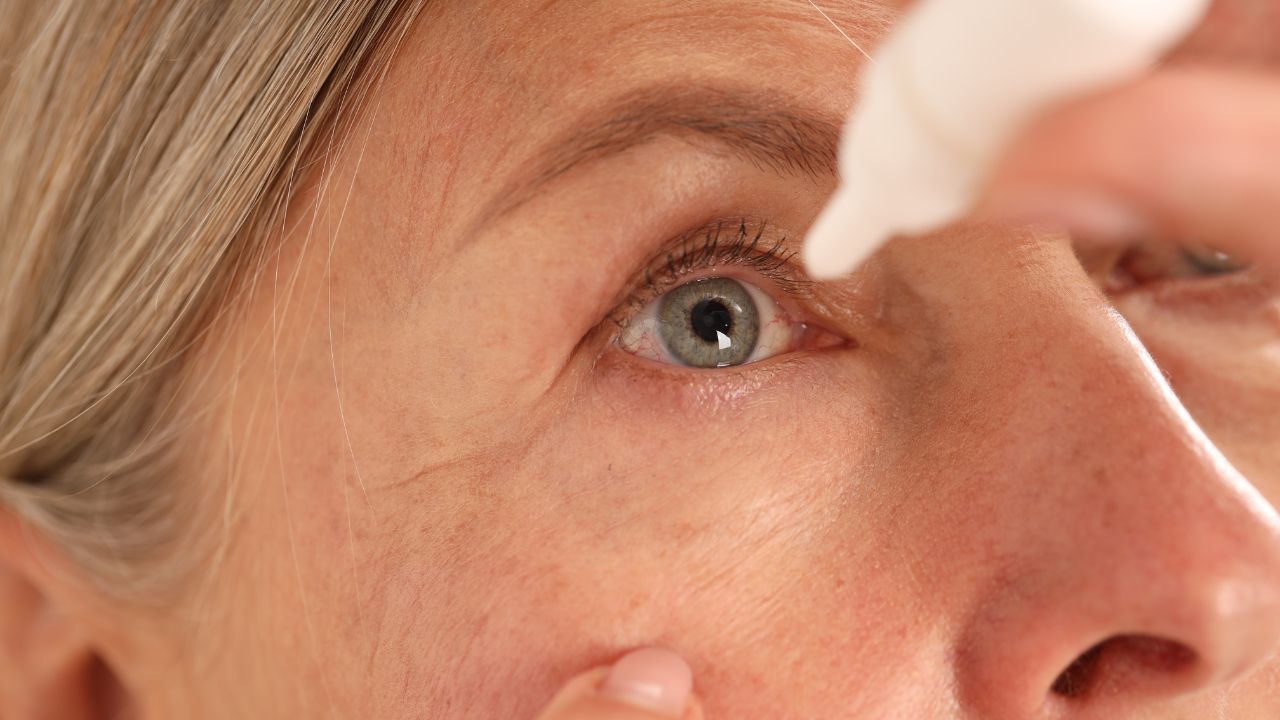
The first time it happens, it’s subtle. Maybe you hold your phone a little farther away. Or squint at your favorite book under a lamp that suddenly seems… dimmer than usual. Welcome to the club—age-related vision changes have officially entered the chat.
The good news? We’re living in the golden age of eye care innovation. And at the center of it all is the modern ophthalmic solution—a broad category of targeted, often drop-based treatments designed to tackle everything from presbyopia to dry eye to glaucoma.
So what exactly is an ophthalmic solution, and how can this solution from VIZZ help you or someone you love see more clearly—without resorting to outdated tools or invasive procedures?
Let’s break it down.
Ophthalmic Solutions: More Than Just “Eye Drops”
Technically, any sterile liquid medication formulated for use in or around the eye qualifies as an ophthalmic solution. But don’t let the term fool you—these aren’t just lubricating drops from the drugstore aisle.
Today’s advanced formulas are carefully engineered to deliver therapeutic ingredients exactly where they’re needed, in just the right concentration. Some reduce pressure in glaucoma. Others sharpen near vision for aging eyes. A growing category treats inflammation, allergies, or chronic dryness.
Think of them as targeted tools—not just symptom soothers.
Common Age-Related Vision Concerns—and the Solutions That Help
As we age, our eyes go through structural and functional changes. Here’s how ophthalmic solutions are rising to meet those shifts.
1. Presbyopia (a.k.a. the Reading Glasses Era)
Once you hit your 40s, your eyes start losing the ability to focus on nearby objects—a totally normal process called presbyopia. Instead of defaulting to cheaters or multifocal lenses, many people are turning to presbyopia-correcting eye drops.
These drops (some FDA-approved, others in clinical trials) use compounds like pilocarpine to temporarily constrict the pupil, increasing depth of focus. It’s not permanent, but it buys you 6–10 hours of improved near vision—no glasses required.
2. Dry Eye Syndrome
Aging affects tear production, often leading to that gritty, irritated feeling behind the lids. For mild to moderate cases, artificial tears help, but chronic dryness often needs prescription-level treatment.
Ophthalmic solutions containing cyclosporine or lifitegrast can reduce inflammation in the tear glands, helping restore natural tear production over time. Bonus: many of these formulas now come preservative-free for sensitive eyes.
3. Glaucoma and Ocular Hypertension
Glaucoma risk increases with age, especially after 60. The main culprit? Elevated intraocular pressure (IOP), which can quietly damage the optic nerve.
Ophthalmic solutions that lower IOP—like prostaglandin analogs or beta-blockers—are often the first line of defense. When used consistently, they can help preserve vision for decades. And newer combo drops simplify treatment regimens with fewer bottles and better adherence.
Why Compliance Is Everything
Here’s the truth no one loves to admit: even the best eye drops don’t work if you forget to use them.
With age-related changes often progressing slowly, it’s tempting to skip a dose or stop altogether when symptoms fade. But many ophthalmic solutions are preventive—not just reactive. They work quietly, behind the scenes, keeping vision stable over time.
Set reminders. Use apps. Make it part of your morning routine. Your future vision will thank you.
What’s Next in Ophthalmic Innovation?
The field is advancing rapidly. Nanoparticle delivery systems, gene-based eye drops, and sustained-release formulations are all in development. The goal? Fewer side effects, longer-lasting results, and more personalized treatments.
If you’re someone who dreads the drop routine, keep an eye (pun intended) on new once-weekly or even once-monthly formulas hitting the market soon.
Final Thought: Modern Eyes Deserve Modern Care
Aging doesn’t have to mean surrendering to poor vision or carrying around half a dozen eye care products. The right ophthalmic solution can restore clarity, protect your sight, and maybe even delay the need for surgery.
Want to see what’s possible with today’s innovations in eye care? Start exploring at VIZZ—because better vision shouldn’t be a thing of the past.