

If you’re planning to buy an air conditioner, chances are you’ve come across two common types: Wall-mounted and standing ACs. Both have unique pros and cons, and the right choice depends on your room’s size, aesthetic preferences, and budget.
Not sure where to begin? We’ve got you covered. Read this guide to know the differences between wall-mounted and standing ACs and make an informed decision:
What’s a Wall-Mounted AC
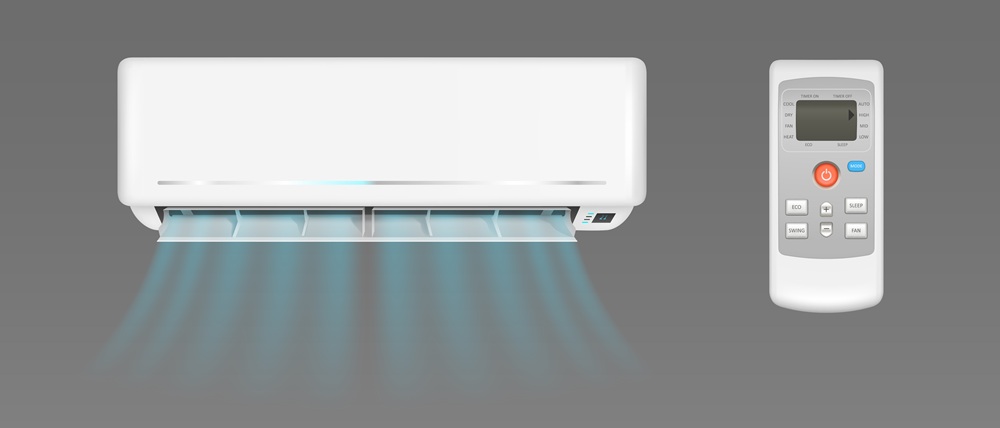
As the name indicates, wall-mounted air conditioning units are installed high up on the wall, usually near the ceiling. This helps distribute cool (or warm) air evenly throughout the room.
Bedrooms, small living rooms, home offices, and guest rooms — you’ll find wall-mounted air conditioners almost everywhere.
Pros of Wall-Mounted ACs
Here are three reasons a wall-mounted split air conditioning system is a great option:
Space-saving design
Wall-mounted air conditioners don’t take up floor space and have a sleek, compact appearance. The outdoor unit, too, can easily be installed with a copper pipe. Wall-mounted ACs are ideal for smaller rooms, apartments, or areas, where every inch counts.
Quiet operation
Wall-mounted split ACs are designed to operate with minimal noise. Unlike traditional ACs, the noisy compressor is placed outside the room. The result? Peaceful and focused indoor environment.
Energy-efficiency
Modern wall-mounted ACs come with inverter technology, making them energy-efficient. The secret lies in the mechanism: With inverter compressors, the operating speed depends on the room’s temperature. This prevents the system from constantly turning on and off, leading to lower utility bills.
That said, are there any cons of wall-mounted ACs? Unfortunately, yes. Here’s a closer look:
- High purchasing cost
- Need for professional installation
- Immobility
- Limited cooling, depending on the tonnage
What’s a Standing Air Conditioner Unit?
On the other hand, we have standing air conditioning units. These are large, heavy units designed to be placed on the ground. They can cool larger spaces (such as living rooms) without needing to be installed on a wall.
Features and Drawbacks of Floor-Standing ACs
Standout features of a free-standing air conditioner include:
High cooling capacity
Standing air conditioners generally have a higher tonnage, which means they can cool large, open areas quickly and efficiently.
Flexible placement
Portable standing ACs can be moved from room to room as needed. You can place them in the corner or along a wall, depending on your cooling needs.
Modern features
Many standing units come with modern features like remote control, programmable timers, air purifiers, and dehumidifiers.
Some drawbacks or limitations of free-standing air conditioners include:
- They take up considerable floor space.
- They tend to be noisier than wall-mounted units.
- They need proper ventilation to work efficiently.
- They are less energy-efficient than wall-mounted models.
How to Choose
Still on the fence? Look at it this way:
If you want more floor space, a minimalist look, and high energy efficiency, choose a wall-mounted air conditioner. The installation cost may be slightly higher, but it will pay off over time.
In comparison, if you want to cool a larger area and want more airflow at ground level, standing air conditioners are the right choice.