

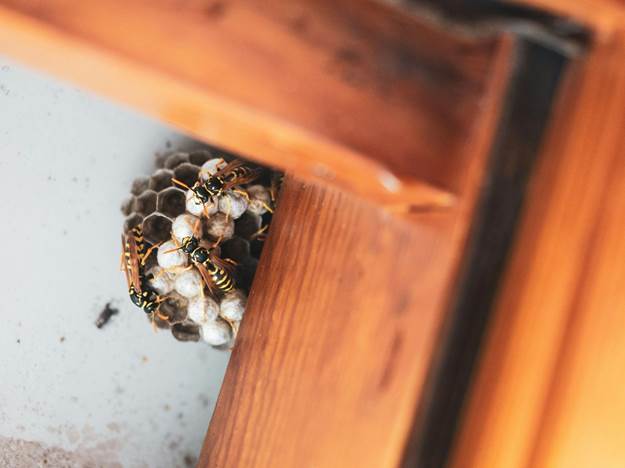
Most people do not think about pest control until something feels wrong at home. The change is rarely dramatic at first. It usually begins with small interruptions that slowly affect daily routines.
You notice movement near the baseboards. Food packaging looks disturbed. You start checking corners before turning off the lights. The home still looks the same, but it no longer feels fully comfortable.
Pest problems are less about insects or rodents themselves and more about how they change the way people live inside their space.
A Pest Issue Changes How You Use Your Home
When pests enter a home, habits begin to shift almost immediately. People become more cautious without realizing it.
You stop leaving snacks out. Laundry gets stored differently. Certain cupboards stay closed unless necessary. Guests coming over suddenly feels stressful instead of easy.
These adjustments may seem minor, but they add friction to everyday life. Home starts to feel like something that needs monitoring instead of enjoying.
That is usually the point when professional help becomes necessary.
Why DIY Solutions Often Fall Short
Many homeowners try to solve pest problems themselves first. Store products promise fast results, and sometimes they appear to work in the short term.
The issue is that visible pests are rarely the full problem. Most activity happens behind walls, under flooring, or near structural entry points that are easy to miss.
Sprays and traps deal with what you can see. They do not address why pests entered the home or how they continue returning.
This creates a frustrating cycle where the problem seems solved, then reappears weeks later.
What Professional Pest Control Actually Means
Professional pest control focuses on understanding the source of the issue, not just removing pests.
A technician evaluates how pests are entering, where they are nesting, and what conditions allow them to stay. Moisture, food access, seasonal movement, and structural gaps all play a role.
Working with a company that provides professional pest control shifts the focus toward prevention. The goal is to make the home difficult for pests to return to rather than repeatedly reacting to new activity.
This approach saves time, stress, and repeated treatment attempts.
Pest Problems Are More Common Than People Think
Many homeowners feel embarrassed when pests appear. There is often an assumption that infestations are linked to cleanliness.
In reality, pests enter homes for shelter, warmth, and food access. Weather changes, nearby construction, aging buildings, and seasonal migration all increase activity.
Even well maintained homes experience pest issues. The difference lies in how quickly the situation is addressed.
Early action prevents small problems from becoming larger disruptions.
Signs You Should Not Ignore
Pest activity usually provides warning signs before becoming severe. Paying attention early makes treatment simpler and more effective.
Common indicators include:
- Seeing insects or rodents more than once
- Droppings inside cupboards or storage areas
- Scratching sounds in walls or ceilings
- Damage to food containers or packaging
- Unusual odors that persist without explanation
These signs suggest pests have already found access points inside the home.
Ignoring them allows activity to expand into hidden areas.
Prevention Makes Daily Life Easier
Preventive pest control works the same way as routine home maintenance. It reduces the chance of unexpected problems.
Instead of reacting to infestations, homeowners maintain protection throughout the year. Kitchens remain usable without concern. Storage areas stay reliable. Basements and garages feel usable again.
Preventive service typically includes inspections, targeted treatments, and recommendations that reduce future risk.
The benefit is consistency. Daily life continues without interruption.
Families Often Notice the Impact First
Homes with children or pets tend to feel pest issues quickly because routines are more active.
Pets may react to sounds inside walls. Children may avoid certain areas without clearly explaining why. Parents often sense something is off before confirming visible activity.
Resolving pest issues restores confidence in shared spaces such as kitchens, bedrooms, and play areas.
Everyone uses the home normally again.
Seasonal Changes Bring New Pest Activity
In colder climates, pest behavior changes throughout the year. Understanding this helps explain why problems appear suddenly.
Spring brings ants and insects emerging from winter shelter. Summer increases flying pests. Fall drives rodents indoors searching for warmth. Winter often exposes infestations that developed unnoticed.
Professional monitoring accounts for these seasonal patterns and reduces surprise infestations.
Protecting Your Home Long Term
A home represents a major investment, and pest damage often develops out of sight.
Rodents can damage insulation and wiring. Insects may affect wood structures or stored belongings. Small issues can lead to costly repairs when left untreated.
Professional pest control protects both comfort and property value by addressing risks early.
What Resolution Should Feel Like
Effective pest control does not need to disrupt daily routines. Modern treatments are designed to work alongside normal household activity.
Clear communication, structured visits, and follow up planning remove uncertainty. Homeowners understand what is happening and what to expect next.
After treatment, the difference shows up in simple ways. You stop checking corners. Food storage feels normal again. Sleeping and relaxing no longer comes with concern.
Life at home feels predictable again.
Simple Habits That Support Results
Professional treatment works best when supported by practical household habits.
Helpful steps include:
- Keeping pantry items sealed
- Managing moisture in kitchens and basements
- Clearing debris near exterior walls
- Sealing visible gaps when discovered
These actions support long term prevention without adding extra work.
Comfort at Home Should Not Require Extra Effort
A comfortable home allows people to move through daily routines without second guessing their environment.
Pests interrupt that comfort in ways that build stress over time. Addressing the issue professionally restores stability and reduces ongoing concern.
Most homeowners are not looking for complicated solutions. They want their home to feel reliable again.
Professional pest control helps maintain that reliability so attention can return to everyday living instead of managing problems.