

When a registered sex offender moves into a new neighborhood, residents often wonder who will be informed and how the notification process works. In the United States, community notification laws may require law enforcement to alert certain residents, schools, and community organizations, depending on the offender’s risk level. At the same time, public sex offender registries make information accessible online.
The scope of notification depends largely on state law and the offender’s classification. Below, we examine how notification requirements vary and who is typically informed.
Variation by State
Notification requirements vary by state, as each has its own sex offender registry laws. Authorities may take steps to notify neighbors and employers, and generally, local law enforcement, schools, and neighborhood associations may also be informed. The level of notification often depends on the offender’s risk level and criminal history.
Role of Law Enforcement
Law enforcement agencies are the primary authorities responsible for distributing information. Police departments typically send letters or make phone calls to nearby residents. These notifications can also include maps showing the offender’s residence and details about their offense.
School and Childcare Notifications
School districts are also a key recipient of notifications. Schools may alert parents if an offender moves within a certain distance from a school or daycare. This ensures that families can take precautions to protect their children.
Neighborhood and Community Alerts
Neighborhood organizations or homeowners’ associations sometimes receive alerts as well. These groups can help spread awareness among community members. Notifications may include guidance on safety measures and local reporting procedures.
Risk Level and Notification Type
The type of offense often determines the notification method. High-risk offenders, such as those convicted of violent sexual crimes against children, usually trigger direct, broad notifications. Lower-risk offenders might only be listed on publicly accessible online registries.
Public Access and Online Registries
Public access to sex offender information has grown over the years. Websites like those maintained by state registries allow anyone to search for offenders by address or zip code. This transparency supports community safety and encourages vigilance.
Legal Background and Framework
The Jacob Wetterling Crimes Against Children and Sexually Violent Offender Registration Act established the basis for modern notification laws. Later, Megan’s Law required states to make registry information publicly accessible. These federal requirements are supplemented by state-specific statutes.
Community Responsibility
While authorities handle official notifications, communities play a role in maintaining safety. Residents should share information responsibly, avoid rumors, and ensure children are educated about stranger danger. Active neighborhoods are safer neighborhoods.
Monitoring and Law Enforcement Follow-Up
Registered offenders are usually required to check in with law enforcement periodically. Police departments may monitor address changes, vehicle ownership, and employment. This ongoing oversight helps reduce the risk of repeat offenses.
Steps for Residents
Residents can take proactive steps to stay informed beyond official notifications. Signing up for local alert systems, attending community meetings, and reviewing registry updates can keep families prepared. Awareness is critical for preventing potential harm.
Practical Safety Measures
Families should establish safety routines, such as checking who is in their neighborhood and supervising children’s outdoor activities. Teaching children about boundaries, online safety, and emergency contacts strengthens protection. Simple vigilance can prevent many potential risks.
Technology and Safety Apps
Technology plays a role in modern notifications. Mobile apps and email alerts can provide real-time updates on sex offender movements. Many apps allow residents to receive customized notifications based on their location and risk preferences.
Neighborhood Watch Programs
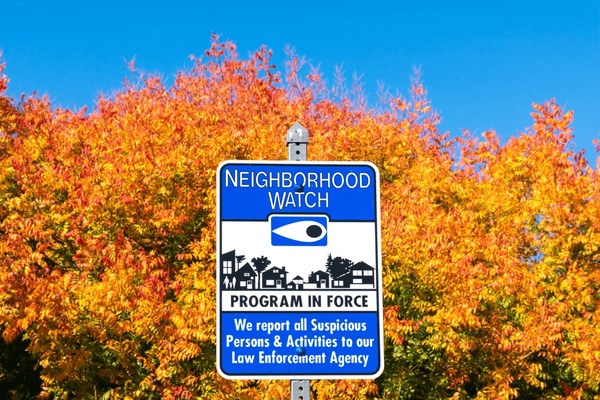
Neighborhood watch programs provide an extra layer of protection. Residents learn to recognize suspicious behavior and communicate concerns with local authorities. Collaborative community efforts create a stronger safety net for everyone.
Online Safety and Awareness
Sex offenders may attempt to contact children online, making digital vigilance essential. Parents should monitor internet use, set restrictions on social media, and educate children about online predators. Combining online safety with neighborhood alerts maximizes protection.
Challenges in Notification
Notification systems are not perfect and sometimes fail to reach all residents. Legal restrictions, outdated registry information, or lack of community awareness can limit effectiveness. Understanding these limitations encourages residents to take proactive measures.
Case Studies and Lessons Learned
High-profile cases have shown the importance of timely notifications. When communities are informed quickly, residents can take precautions, reducing the likelihood of repeat offenses. Learning from past examples strengthens future safety strategies.
Balancing Safety and Legal Protections
It’s important to balance safety with legal protections for offenders. The law restricts harassment or vigilantism against registered offenders. Communities must rely on structured notification systems rather than personal investigations.
Ongoing Communication
Communication between law enforcement and residents is ongoing. Updates may be provided when offenders change addresses, or when new safety measures are implemented. This dynamic approach ensures that information remains current.
Key Takeaways
- Law enforcement agencies, schools, and neighborhood organizations are typically notified.
- Notification level depends on the offender’s risk classification and criminal history.
- High-risk offenders often trigger direct alerts, while low-risk offenders may only appear on online registries.
- Residents can stay informed via online registries, local alerts, and community meetings.
- Legal protections prevent harassment, so notifications must be handled responsibly.
- Communities can reduce risks through education, vigilance, and proper safety routines.
- Monitoring by law enforcement ensures compliance and ongoing public safety.
- Technology, apps, and neighborhood watch programs enhance situational awareness.
- Online safety measures protect children from digital threats as well as physical proximity.