

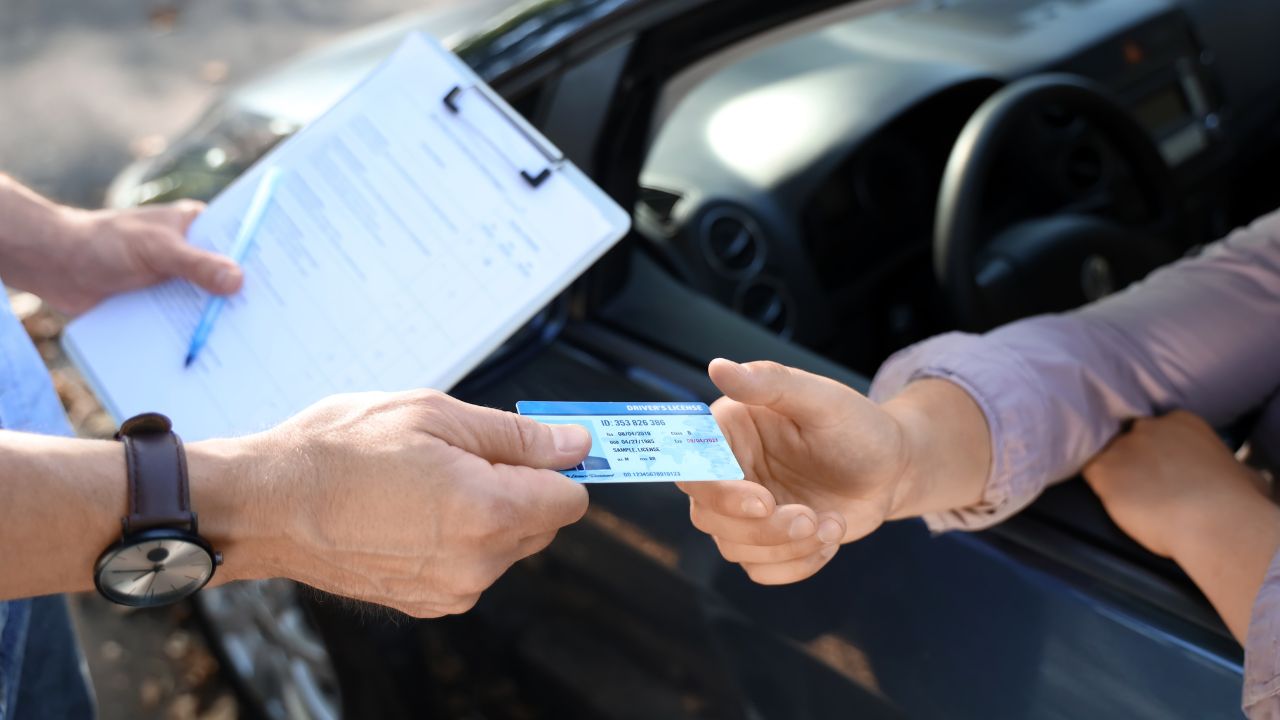
Here’s the clear, no-nonsense answer first: during a normal traffic violation, only authorized law enforcement officers can temporarily confiscate a driver’s license—and even then, only under specific legal conditions. Your license cannot be taken just because you made a minor mistake on the road or annoyed an officer. There are rules, limits, and due process involved.
This topic often causes confusion because many drivers assume that any traffic enforcer can immediately take their license. That’s not how the system works. Understanding who actually has this authority helps you protect your rights while still respecting traffic laws.
What Counts as a “Normal” Traffic Violation?
A normal traffic violation usually refers to non-criminal offenses such as:
- Speeding
- Running a red light
- Illegal parking
- Failing to signal
- Expired registration tags
These are different from serious offenses like DUI, reckless driving, or hit-and-run cases. For routine violations, the law generally favors citations or tickets, not license confiscation.
Who Is Legally Allowed to Confiscate a Driver’s License?
Law Enforcement Officers
In most jurisdictions, only sworn law enforcement officers, such as traffic police, highway patrol officers, or city police, have the authority to confiscate a driver’s license. This authority comes from traffic laws and administrative regulations, not personal discretion.
In the United States, officers operating under state traffic codes and supervised by agencies connected to the Department of Motor Vehicles can take a license only when the law explicitly allows it.
Even then, confiscation is usually temporary and comes with documentation.
Courts and Judges
Courts have broader authority than police officers. A judge can order a driver’s license confiscated, suspended, or revoked after due process. This often happens in cases involving repeated violations, unpaid fines, or serious traffic offenses.
Unlike roadside confiscation, court-ordered actions are formal, recorded, and legally binding.
Licensing Authorities
State licensing agencies, often operating under the DMV or similar departments, can revoke or suspend licenses administratively. This does not happen on the roadside. Instead, it follows official notices, hearings, or failure to comply with legal requirements.
Who Cannot Confiscate Your Driver’s License?
This is just as important to know.
- Private citizens
- Parking attendants
- Security guards
- Tow truck drivers
- Unofficial traffic aides
These individuals do not have the authority to confiscate a driver’s license, no matter how confident they sound. If someone outside law enforcement demands your license, that is a red flag.
When Can an Officer Confiscate a License During a Traffic Stop?
Even authorized officers cannot confiscate a license at will. Common lawful reasons include:
- The license is expired, fake, or invalid
- The driver is operating a vehicle without proper authorization
- The violation carries mandatory license seizure under state law
- The driver is unable to safely continue driving
In many states, officers may issue a temporary driving permit or citation receipt that serves as proof while the case is processed.
What Happens After a License Is Confiscated?
If your license is taken legally, you should receive:
- A written receipt or citation
- Information on how to recover your license
- Instructions on court dates or fines
Your physical license may be forwarded to a court or licensing authority. You are not supposed to be left without documentation or guidance.
If an officer confiscates your license without providing paperwork, that is not standard procedure and should be questioned politely.
Can an Officer Confiscate a License for Minor Violations?
In most cases, no. Minor violations typically result in tickets, not license seizure. Confiscation for routine infractions is the exception, not the rule.
Traffic laws are designed to correct behavior, not immediately strip driving privileges for small mistakes.
What If You Believe the Confiscation Was Unlawful?
If you think your license was taken improperly, you can:
- Review the citation or receipt carefully
- Contact the issuing police department
- Consult traffic court or legal counsel
- File a formal complaint if necessary
Remaining calm and cooperative at the roadside is always recommended, but that does not mean giving up your rights.
Why This Authority Is Limited
Driving is a regulated privilege, not an unlimited one, but it is still protected by law. Unchecked confiscation would invite abuse and inconsistency. That’s why authority is clearly defined and restricted.
The system balances road safety with individual rights, ensuring that enforcement remains fair and accountable.
Final Thoughts
So, who has the authority to confiscate a driver’s license during a normal traffic violation? The answer is clear: only authorized law enforcement officers, courts, or licensing agencies—and only under specific legal conditions.
For everyday traffic mistakes, a ticket is far more common than confiscation. Knowing the difference helps you stay informed, confident, and protected the next time you’re pulled over.
Understanding traffic authority isn’t about arguing with officers. It’s about knowing where the law draws the line—and why that line exists.