

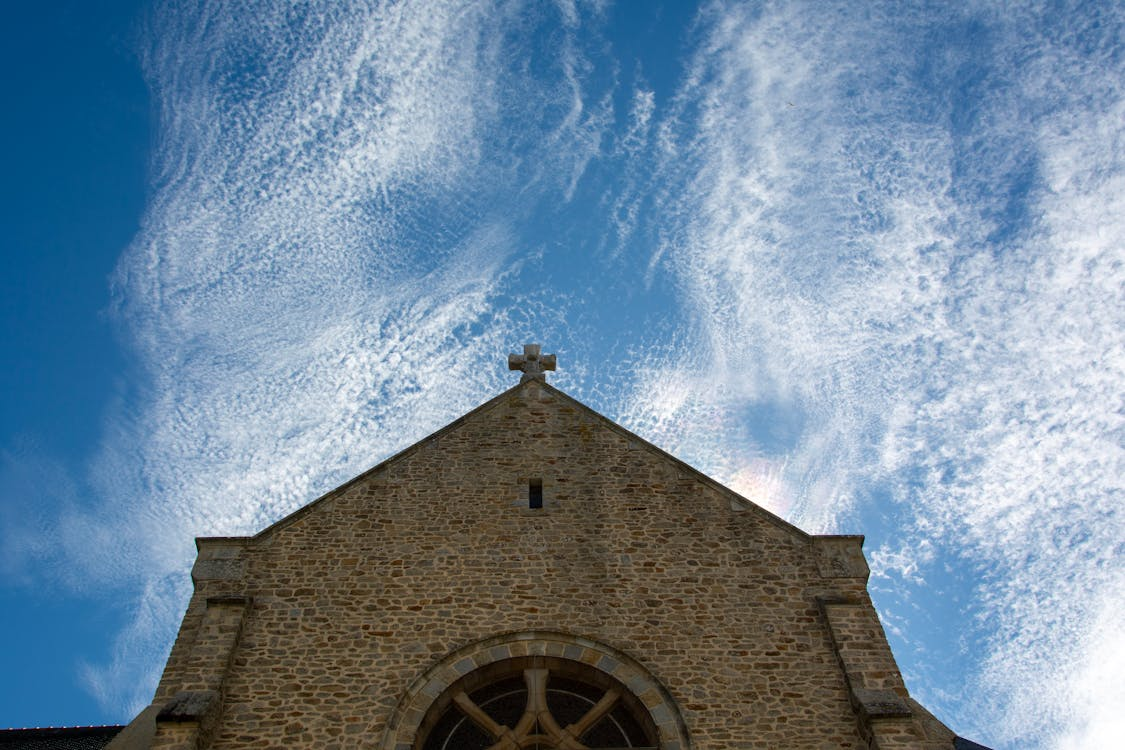
Churches can play a hugely positive and supportive role in our lives, helping us worship, find our community, and supporting us through the major ups and downs of life, such as the loss of a loved one. However, whether you’ve recently moved, discovered (or rediscovered) your faith, or had a bad experience at your past church, joining a new one isn’t something you should rush into. First of all, it’s worth doing a little research to make sure it’s the kind of supportive faith community you truly need.
Transparency In Leadership
Church leaders often play important roles as leaders in their community, too, so you should make sure that they are leaders to be trusted. Healthy churches are typically open about how decisions are made, and by whom, how finances are managed, and how leaders, staff, and volunteers are held accountable. If there are no clear policies or processes for addressing complaints, it can lead to complaints getting ignored, which can create ripe ground for misappropriation, inappropriate conduct, and even abuse.
Poor Responses To Historic Abuse Or Misconduct
One of the biggest safety concerns of any religious authority or, beyond that, any institution with authority over the people that rely on it, is the prospect of abuse. Abuse can and has happened in churches that most would consider reasonable and good in the community, and sometimes, it’s down to the misdeeds of one or more individuals rather than the institution as a whole. However, doing your research on the church and its leadership, where available, like the publicly available details on Father John Calicott, a former paster accused of sexually abusing minors, can help you see what kind of accusations have arisen in the past and, more importantly, how they were handled. Whether the church turned a blind eye, protected the abuser, or stood up for the dignity of the survivors makes a huge difference.
An Excessive Focus On A Charismatic Leader
As mentioned, strong leadership can be important in a church, but problems can easily arise if too much focus and authority lie within a single charismatic person, be it a pastor, elder, founder, or priest. When one individual is treated as beyond question or correction, then it not only leaves open the door for abuse but it can also lead to cult-like behavior within the church, such as overly controlling attitudes towards church members.
Weak Safeguarding (Especially Around Children)
The topic of abuse towards children and vulnerable adults in institutions of all kinds has been so extensively covered in major scandals that any church that doesn’t have protections in place for them should be treated with caution. Ask whether background checks are required, whether volunteers receive safeguarding training, and whether there are clear reporting procedures for suspected abuse. Similarly, if you see any signs that these policies exist on paper, but are not practiced in reality, you should treat it as a significant warning sign.
The final decision of which church you join, and why, is yours to make. However, hopefully, the tips above can help you avoid some of the more potentially harmful churches out there.