

Key Takeaways
- Most household pest issues stem from food, water, shelter, or easy entry.
- Sealing gaps, repairing leaks, and storing food properly often reduce pest pressure before treatment is needed.
- Integrated pest management combines inspection, prevention, monitoring, physical controls, and limited use of products.
- “Natural” products still require careful label reading and safe handling around children and pets.
- Termites, bed bugs, stinging insects, and recurring rodent problems may require professional help.
A safer pest plan does not begin with spraying every surface. It begins with finding out why pests are interested in the home in the first place. Homeowners looking for practical prevention guidance can start with the prevention-first approach used by Green Pest Services, which emphasizes reducing conditions that allow pests to settle.
In many cases, pests are responding to ordinary household conditions: a dripping pipe, accessible pet food, cluttered storage, overflowing trash, or a tiny opening near a utility line. Addressing those conditions can make treatments more targeted, less frequent, and more effective over time.
Why Prevention Comes Before Treatment
A spray may remove visible ants from a kitchen counter, but it may not stop the next trail if crumbs remain under an appliance, moisture is collecting near a window, and an exterior gap gives the colony easy access. Prevention focuses on the source rather than only the pest that happens to be visible.
This approach is often called integrated pest management, or IPM. The integrated pest management principles describe a process of monitoring, identification, prevention, and the selection of controls based on effectiveness and risk. It is not a single product or one-time fix. It is a practical way to make better decisions before, during, and after a pest problem.
Use a Simple IPM Process
- Identify the pest rather than guessing based on a single sighting.
- Look for food, water, shelter, and entry points.
- Remove attractants and block access where possible.
- Monitor activity with visual checks, traps, or a written log.
- Choose the least disruptive control that fits the problem.
- Check results and adjust the plan if the activity continues.
Step One: Inspect the Exterior
A walk around the home can reveal many problems before they move indoors. Pests can enter through small gaps around pipes, cable lines, vents, windows, doors, foundation cracks, roof edges, and damaged screens. Rodents, in particular, can use openings that appear too small to matter.
Exterior Inspection Checklist
- Check weatherstripping, door sweeps, screens, and basement windows.
- Seal openings around plumbing, wires, vents, and utility connections.
- Keep firewood, cardboard, leaf piles, and yard debris away from exterior walls.
- Trim branches and shrubs so they do not touch siding, gutters, or rooflines.
- Inspect gutters and downspouts for clogs that create moisture near the foundation.
Step Two: Remove Food and Water Sources
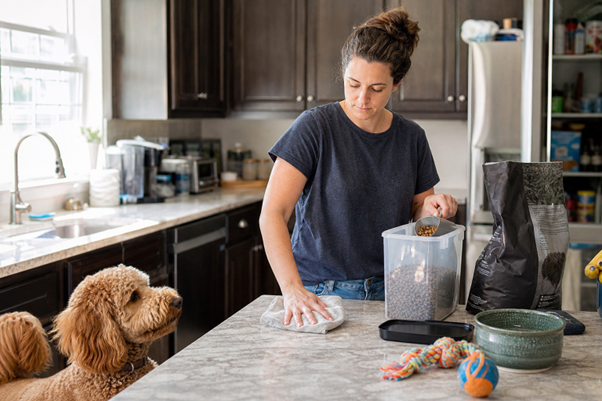
Cleanliness is not about maintaining a perfect home. It is about making food and moisture harder for pests to find. Store cereal, flour, rice, snacks, and pet food in sealed containers. Wipe counters, sweep beneath appliances, and take out trash before it overflows. If rodent activity is suspected, avoid leaving pet food or water out overnight.
Water control matters just as much. Repair dripping faucets, check under sinks for slow leaks, and dry areas around dishwashers or refrigerators. Outdoors, empty standing water from containers and keep gutters flowing away from the house.
Step Three: Match the Plan to the Pest
Ants and Cockroaches
For ants, clean food residue, seal gaps near windows and counters, and check for dampness around sinks and exterior walls. For cockroaches, focus on sanitation, leak repair, clutter reduction, and sticky monitors behind appliances and inside cabinets. A monitor can show where activity is concentrated without treating an entire room.
Rodents
Droppings, gnaw marks, scratching sounds, shredded nesting material, and greasy rub marks along walls can indicate rodent activity. Secure food, reduce storage clutter, seal openings, and place appropriate traps along walls where signs appear. Avoid placing traps where children or pets can reach them.
Stinging Insects, Termites, and Bed Bugs
Use caution around nests near doorways, roof edges, play areas, wall voids, or attics. Do not disturb an active nest unless you know the species and have a safe plan. Termites can remain hidden while causing damage, so moisture control, keeping wood away from soil, and routine inspections are important. Bed bugs require a focused response that includes inspecting mattress seams, furniture joints, luggage, and nearby cracks. Washing bedding alone rarely resolves an established infestation.
Natural Products: Useful, but Not Risk-Free
Botanical sprays, essential oils, diatomaceous earth, boric acid products, baits, and traps can all have a place in a targeted plan. However, natural, plant-based, and green do not automatically mean harmless or effective for every situation. Use only products labeled for the pest and location involved, and never mix pesticides with cleaners or other chemicals.
Follow the label precautions that protect pets by keeping products in original containers, preventing access to baits and powders, and observing ventilation and re-entry directions. If a product causes irritation, breathing discomfort, or another unexpected reaction, stop using it and seek appropriate guidance.
Monitor Small Problems Before They Grow
Monitoring helps distinguish an occasional visitor from a developing infestation. Check sticky monitors behind appliances and along baseboards, inspect food storage and sink areas, and periodically check garages, basements, and attics. After heavy rain, heat, or seasonal weather changes, inspect the exterior for new gaps, wet areas, or insect activity. Keeping a short record of dates, locations, and sightings can reveal patterns that are easy to miss.
When DIY Control Makes Sense
Basic prevention and monitoring can work well when the cause is clear and activity is limited. Examples include a few ants near an uncovered food source, a fly issue connected to standing water, or an occasional spider in a garage. DIY efforts are most useful when the pest is correctly identified, and the homeowner can safely reach the source of the problem.
When to Call a Trained Professional
- The same pest returns after repeated prevention efforts.
- There are signs of termites, hidden damage, or activity inside walls.
- Rodents are entering ceilings, ductwork, or inaccessible spaces.
- A stinging insect nest is near a high-traffic area.
- Bed bugs appear in more than one room.
- The pest cannot be identified or a household member has heightened sensitivities.
A Simple Seasonal Prevention Calendar
Winter
Check garages, attics, basements, stored food, and cardboard boxes for signs of rodents. Seal gaps around doors and utility lines.
Spring and Summer
Inspect screens, gutters, windows, and foundation cracks. Remove standing water, secure trash and pet supplies, and check outdoor areas for early ant trails or nests.
Fall
Seal openings before cooler weather pushes pests indoors. Move firewood away from the home and inspect attics, basements, and storage spaces.
Final Takeaway
The strongest home pest plan uses better information and better habits, not simply more product. Regular inspections, sealed entry points, clean storage, moisture control, and routine monitoring can resolve many minor issues. When a problem is persistent, hidden, or potentially hazardous, a targeted professional assessment is often the safest next step.