

Key Takeaways
- Lake views and recreation matter, but they are only part of the buying decision.
- Compare total ownership costs, including insurance, association dues, utilities, and maintenance.
- Test the commute and daily errands at realistic times before choosing a community.
- Review flood, wildfire, drainage, slope, and insurance considerations before removing contingencies.
- Use the same scorecard for every community so an attractive view does not outweigh practical needs.
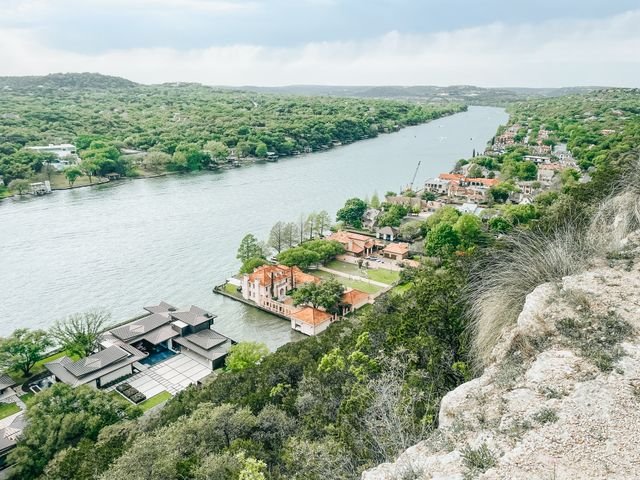
Lake-area living in Canyon Lake and nearby Inland Empire communities can appeal to buyers who want water access, neighborhood amenities, outdoor space, and a more relaxed setting than a dense urban area. Still, the right choice depends on how the property works on an ordinary Tuesday morning, not only how it feels during a sunny weekend showing.
For local perspective, a Canyon Lake Riverside CA real estate expert Kreg McCoy can be a useful starting point when comparing homes and community rules. Kreg McCoy’s Riverside County real estate website covers buying, selling, mortgage, and escrow support, with a focus on Canyon Lake and nearby areas such as Menifee, Murrieta, Temecula, and Lake Elsinore. That local service focus can help buyers identify questions that are specific to gated lake communities, association-managed amenities, and Riverside County property conditions.
Why Lake Communities Need a Closer Look
Two homes with similar square footage can create very different ownership experiences. One may be close to gates, shopping, schools, and major roads, while another may offer more privacy but require longer drives for daily errands. Lake access may be private, limited by association rules, seasonal conditions, permits, or the location of the home within the community.
Buyers should compare communities rather than assume every lake-adjacent home offers the same lifestyle. Canyon Lake, Lake Elsinore, and other nearby areas can differ in access, lot layout, surrounding development, traffic patterns, and the type of recreation residents value.
Start With the Full Housing Cost
The list price and estimated mortgage payment are only the opening numbers. A lower-priced house can cost more each month if it carries higher insurance premiums, association dues, utility needs, or deferred maintenance.
Include These Costs in Every Comparison
- Principal and interest on the mortgage
- Property taxes and any applicable assessments
- Homeowners insurance and any separate coverage needed
- Homeowners association dues and possible special assessments
- Water, electricity, internet, landscaping, and pool expenses
- Expected repairs for roofs, drainage, retaining walls, decks, and outdoor equipment
For example, a home with a lower purchase price may lose its advantage if it needs roof work, has a pool nearing replacement needs, or carries monthly dues that another property does not. Build a monthly estimate for each finalist before deciding which home is truly more affordable.
Compare Location and Commute Patterns
Lake communities often feel quieter because they sit away from major commercial corridors. That can be a benefit, but it also makes route planning important. Drive the route to work, school, grocery stores, medical offices, and freeway access during the times you would normally travel.
- Visit once during morning traffic and once during the afternoon commute.
- Check whether there is a single primary route in and out of the neighborhood.
- Measure travel time to the services your household uses most.
- Confirm mobile reception and internet options if remote work is important.
- Return on a weekend to see how recreational activity changes the area.
Check Insurance and Natural Hazard Risks
Request insurance estimates early, ideally before you remove inspection or financing contingencies. Coverage availability and cost can affect both the monthly budget and the loan process. Standard homeowners policies often exclude flood damage, so buyers should understand what their proposed policy covers and what requires separate protection.
The California Department of Insurance’s guidance on flood and wildfire coverage encourages residents to review their policies before severe weather and explains that flooding, mudslides, and debris flows may not be covered in all circumstances. Ask the insurer about wildfire exposure, water-damage exclusions, wind-driven rain, drainage history, and any prior nonrenewal issues related to the property.
Study Home Features and Maintenance
A scenic setting can bring exterior features that deserve closer review. On sloped or view-oriented lots, drainage and retaining systems can be as important as the kitchen or primary bedroom. Homes near recreational areas may also have decks, balconies, pools, outdoor kitchens, fences, or landscaping that require regular maintenance.
Focus Your Inspections On
- Roof age, visible wear, gutters, and downspouts
- Drainage away from the foundation and signs of standing water
- Retaining walls, hillside conditions, and erosion indicators
- Pool equipment, decking, railings, and exterior structures
- Windows, siding, paint, irrigation, and moisture evidence
Use qualified specialists when the property includes features beyond a standard home inspection. A roof, pool, septic system, chimney, dock, or substantial retaining wall may need its own evaluation.
Look At Services and Community Life
Think about the pace of life you want. A household that values quiet evenings may prefer a street farther from community gathering areas. Buyers who want boating, social events, and active weekends may see more activity as a benefit. Neither preference is better, but each should influence the search.
Ask whether lake access, beaches, trails, parks, and boat launches are open to all residents or controlled by permits, memberships, guest policies, and association rules. Also review parking restrictions, rental policies, trailer storage rules, and approval requirements for exterior improvements.
Build A Simple Community Scorecard
Score each community from one to five in the following categories, then compare the results after every visit:
- Total monthly cost, 25 percent: Can the household comfortably manage the payment, taxes, insurance, dues, and upkeep?
- Commute and access, 20 percent: How practical are work trips, school drop-offs, errands, and medical visits?
- Insurance and property risk, 20 percent: Is coverage available on acceptable terms, and are known risks understood?
- Home condition, 15 percent: Are major repairs likely soon?
- Lifestyle fit, 10 percent: Does the community match your preferred level of activity and privacy?
- Resale flexibility, 10 percent: Would the home appeal to a broad group of future buyers?
Questions To Ask Before Making an Offer
- What are the current association dues, rules, and pending assessments?
- Has the property had drainage, water intrusion, slope, or erosion concerns?
- What insurance options and estimated premiums are available today?
- Which repairs and improvements has the owner completed?
- What features require association approval before alteration or replacement?
- How far are groceries, health care, schools, and major road connections?
- What nearby closed sales are the most relevant comparisons?
Buying near a lake in Canyon Lake or elsewhere in Riverside County can be an excellent lifestyle choice when the numbers, risks, and daily routine all line up. Visit more than once, compare at least three communities, and make the final decision with a clear view of the total cost of ownership.